True Images/Alamy.com
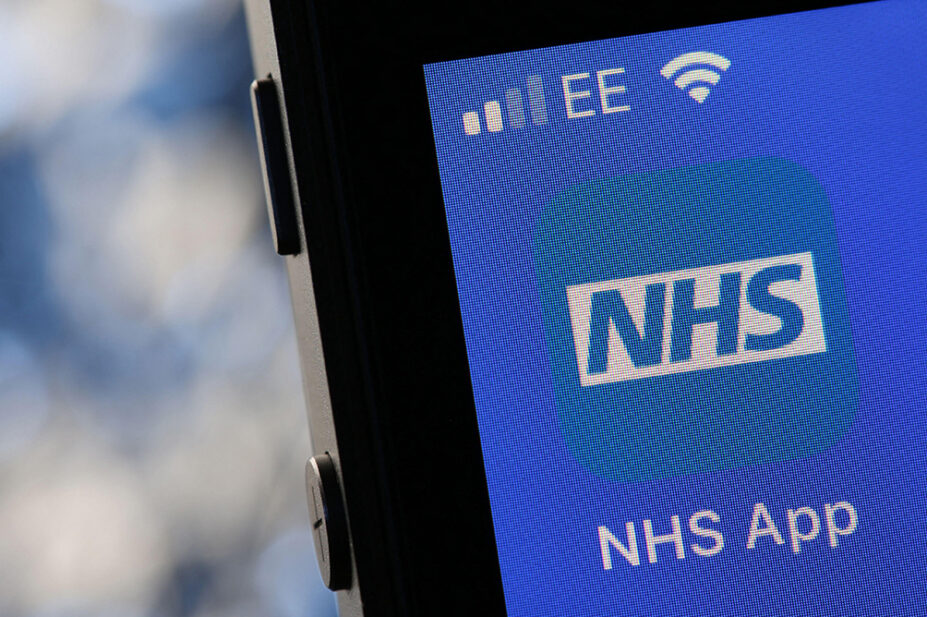
Patients with rare cancers will be able to register their interest to join clinical trials through the NHS App.
On 31 January 2026, the government announced that it will be further integrating the ‘Be part of research’ service into the NHS App so that patients with rare cancers — including brain cancers — “will be able to search for trials on the clinical research database and ask to be contacted”.
“In time, patients will be able to sign up to automatically to be offered the opportunity to receive details of clinical trials that might benefit them,” it added.
The plans are part of the government’s upcoming national cancer plan and Rare Cancers Bill, which is currently going through Parliament.
“Over the next three years, the Rare Cancers Bill — designed to incentivise research and investment into the treatment of rare cancers — will help provide more consistent access to research and faster progress from discovery to treatment and ensure the government hires more cancer experts to top national roles to drive this change,” the announcement said.
Under the government’s plans, “top cancer experts” will be recruited to speed up trials through the NHS App and for face-to-face appointments, including a “national lead for rare cancer”.
The statement said that the National Institute for Health and Care Research will create a speciality lead for rare cancers to improve clinical trial recruitment in England “by ensuring rare cancer patients can be contacted automatically about research and sign up to suitable trials, reducing reliance on chance referrals”.
It also plans to co-fund a research centre for brain tumours with Cancer Research UK.
Claire Anderson, president of the Royal Pharmaceutical Society, commented: “Using the NHS App to connect patients with rare cancers to relevant clinical trials is a positive step towards widening access to innovative treatments.
“People with rare cancers often face limited opportunities and delays in being identified for suitable studies, so improving how patients find and are matched to research could increase participation and speed up access to new treatments. It also creates an opportunity to support more diverse and representative trial populations, which is essential to improving outcomes across different communities.
“For this to work in practice, patients must be supported to make informed decisions. Clear, accessible information about the possible benefits, risks and practical commitments of taking part in a trial is vital.
“Digital tools widen reach, but they should complement, not replace, conversations with healthcare professionals, including pharmacists and wider cancer care teams, and with alternatives for those who are less digitally confident so that modernising access doesn’t widen health inequalities,” she added.
“If implemented well, this could strengthen the UK’s life sciences sector and ultimately improve outcomes for people living with rare cancers.”
Janet Valentine, executive director for innovation and research at the Association of the British Pharmaceutical Industry, said: “Clinical trials bring benefits to the NHS and to patients, particularly when there is no licensed treatment available.
“Making clinical trials more discoverable through the NHS App is a positive step, especially for people with rare cancers who want to participate in potentially life-changing research.
“Increasing patients’ awareness and support for clinical research will help to boost numbers and importantly inclusivity and diversity of clinical trials participants in the UK.”
In November 2025, the Medicines and Healthcare products Regulatory Agency announced that it would speed up access to treatments for rare diseases, including approving therapies for small populations with limited clinical data.