dotshock / Shutterstock.com
Access to insulin in NHS neonatal units should be restricted using digital devices, with CCTV installed on storage units in the meantime, the Thirlwall Inquiry has recommended.
The inquiry, commissioned in September 2023, examined events surrounding the deaths of several babies at the Countess of Chester Hospital between 2015 and 2018.
Its final report, published on 15 September 2026, makes 17 recommendations, including that digital devices should be used to restrict access to insulin to authorised people and to record access to insulin storage units.
It said that by 31 March 2027 “all neonatal units must meet the requirements for access control and storage” set out in NHS England’s ‘Getting It Right First Time’ (GIRFT) guide to safe insulin use.
The report also recommends that until access to insulin requires the provision of biometric data, “each trust should install CCTV cameras focused on storage fridges, cupboards or units”, with recordings stored for at least 28 days.
Beyond neonatal care, the report says GIRFT guidance on laboratory handling of insulin requests in the investigation of hypoglycaemia, issued in October 2025, must be made mandatory and applied nationally.
Responding to the report in parliament on 15 September, health and social care secretary Yvette Cooper said the government had begun work on a series of measures while it considers the recommendations in full.
“It recommends much stronger controls on insulin storage,” Cooper told MPs. “The NHS has begun that process with new guidance in January of this year, but we agree with the recommendation to go further.”
Cooper added that the government would publish a full response once it had considered the report in detail.
Asked by The Pharmaceutical Journal whether the new guidance would be a revision of existing guidance or a separate document, and whether it would apply beyond neonatal settings, NHS England said it would be “actioning Lady Thirlwall’s recommendations”.
Emily Kennedy, head of professional standards at the Royal College of Pharmacy, said that as these measures were put into practice it would be “important” to recognise the role of pharmacists in the safe handling and supply of insulin, including in helping to prevent and detect unauthorised access to, and use of, insulin.
Other immediate measures recommended by the inquiry include work to develop plans for cot cameras in neonatal settings, a barring scheme for senior NHS managers who “fail in their responsibilities”, continued rollout of the National Bereavement Care Pathway, and a single tracker to monitor delivery of recommendations from major maternity and neonatal reviews.
Katie Scott, lead directorate pharmacist for women and children at Chelsea and Westminster Hospital NHS Foundation Trust, told The Pharmaceutical Journal on 16 September 2026 that her trust was already “working hard to implement the GIRFT recommendations on the storage of insulin”.
“We are currently storing insulin in a separate locked fridge, but we are still working on controlled swipe access. On CCTV for fridge areas, our unit will be having that discussion in the near future.”
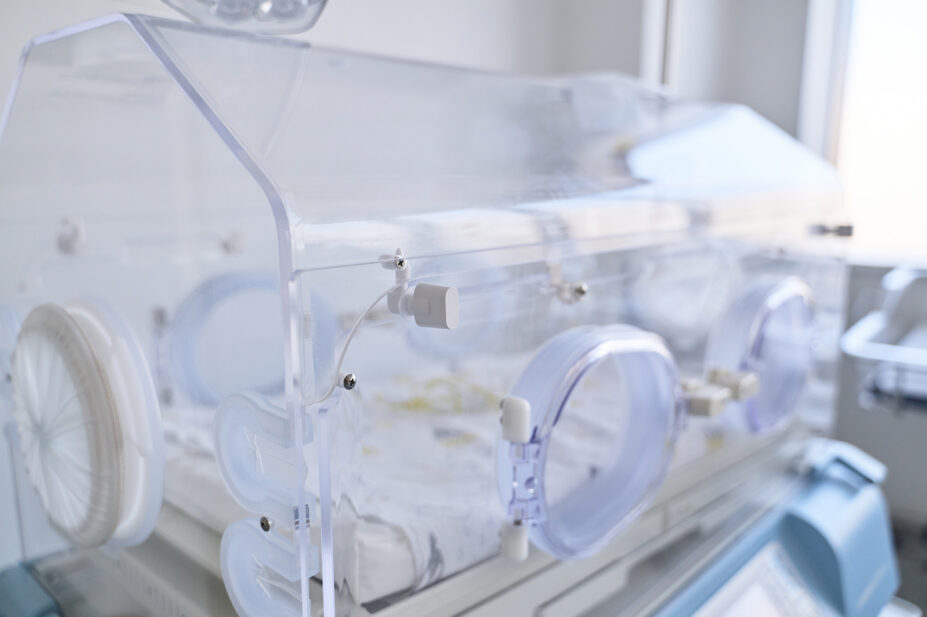
She added: “We will also need to know where the resources for implementation are coming from. Adding CCTV, or equivalent, to each individual cot or incubator will potentially be a massive cost, depending on how large the neonatal unit is.
“I think the report is going to generate a lot of discussion about implementation on neonatal units and how that looks going forward for each individual trust.”
In a statement, Caroline Lee-Davey, chief executive of Bliss, a charity supporting families whose babies are born premature or sick, said the recommendations went “to the heart of ensuring the safety of some of the most vulnerable patients in the NHS”, and that it was vital the government provided the funding required to implement them in full, “with national prioritisation of next steps, and allocation of responsibility to specific bodies or individuals to implement set actions”.
The Patients Association said in a statement that the recommendations must be implemented “without delay”, with independent oversight of whether they are being put into practice.
“Too many past NHS inquiries produced recommendations that were welcomed, then quietly left unimplemented, with no independent body checking whether they were acted on,” it added.