SOPA Images Limited/ Alamy Stock Photo
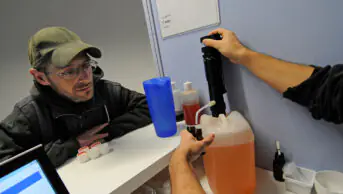
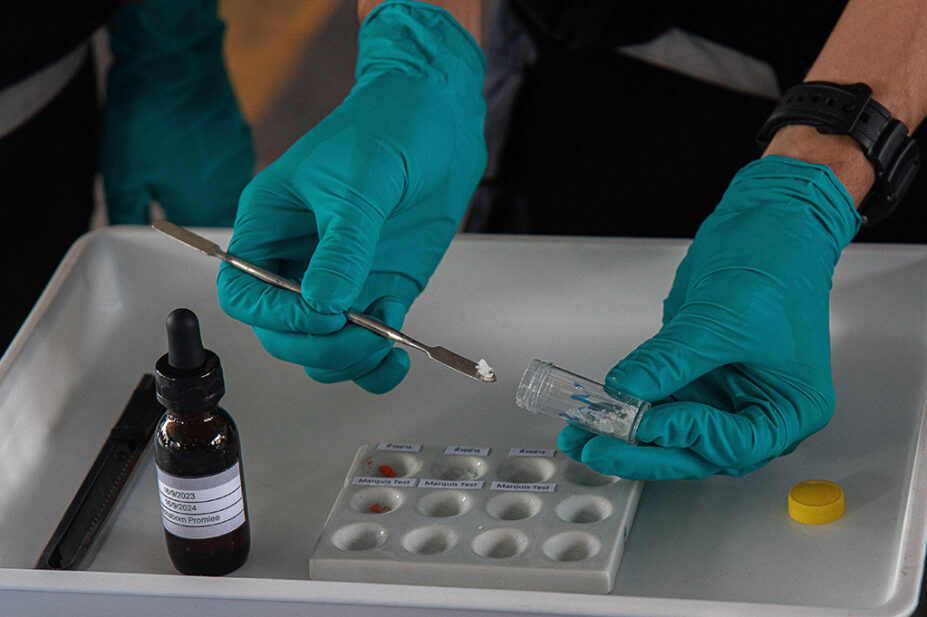
Scotland’s first local drug-checking service will open in Glasgow in October 2026, allowing people to submit drugs for rapid analysis and receive harm-reduction advice alongside the results.
The announcement came as the most recent figures from National Records of Scotland (NRS) show that drug use deaths in Scotland rose by 11% in 2025 to 1,133 — which is 116 more deaths than in 2024 and the sixth highest year on record.
The rate of 21.4 deaths per 100,000 people is four times the rate in 2000, when current records began, the figures revealed.
In a statement published on 23 September 2026, the Scottish government said that it had invested more than £1.7m in the drug-checking pilot programme, while three more are planned across the country.
Aberdeen and Dundee have received licences from the Home Office for similar services, the statement said. It added that a fourth facility in Edinburgh is currently preparing its licence application.
Samples taken at the Glasgow drug-checking site will be sent to a newly established national testing and research laboratory hosted by the Leverhulme Research Centre for Forensic Science at the University of Dundee.
Scottish drugs minister Maree Todd, who is a hospital pharmacist by background, said the service would help people “make safer decisions,” adding that it was “particularly important in light of the current dangers posed by new synthetic opioids like nitazenes, which raise the risk of overdose and death”.
Nitazenes were implicated in 247 drug use deaths in 2025, while etonitazene were the most commonly used nitazene, which were implicated in 215 deaths, the figures showed.
The figures also highlighted that opiates or opioids, cocaine and benzodiazepines remained the drugs most commonly implicated in deaths recorded during 2025, while a combination of drugs was involved in 78% of deaths.
Commenting on the NRS figures, Barry Chapman, member of the Scottish Specialist Pharmacists in Substance use Management group, told The Pharmaceutical Journal: “Changes in the drug market, including the increasing prevalence of synthetic opioids and polydrug use are now a central feature of drug-related harm in Scotland, as highlighted in today’s report.
“With drug death rates 15 times higher in Scotland’s most deprived communities, the reach, accessibility and trusted relationships that community pharmacy teams have with people at greatest risk make pharmacy a vital part of the public health response.
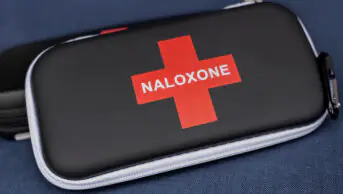
“Every interaction can provide a valuable opportunity to reduce harm: to identify emerging risk, disseminate information on changing drug trends, provide naloxone and practical harm-reduction advice, and to support people to remain engaged with treatment and care.”
The NRS figures also showed that there was an 23% increase in cases where cocaine was implicated in deaths in 2025, compared with 2024.
Separate data from The Thistle — Glasgow’s safer drug consumption facility and the site that will host the new drug-checking centre — showed cocaine accounted for 54% of substances injected at the site in July 2026, down from 81% in January of that year. Heroin use rose over the same period, from 10% in January 2026 to 28% in July 2026.
Catriona Matheson, professor in substance use at the University of Stirling, said the rise in deaths was being driven largely by changes in illicit drug markets, including nitazenes and sedatives, such as xylazine and medetomidine, contaminating opioid supplies and benzodiazepines.
“Scotland’s drug surveillance system has played an important role in rapidly identifying emerging threats and issuing alerts about dangerous substances,” she said.
“However, there is more that can be done. A fully functioning drug-checking service would provide people with direct information about the substances they are taking and help reduce harm. Progress on establishing these services has been far too slow and is long overdue.”
Laura Wilson, director for Scotland at the Royal College of Pharmacy, noted that the figures showed the crisis “remains a major public health emergency”.
“Pharmacists have a key role in reducing harm through the supply of naloxone, supporting people at risk of overdose, and helping patients access treatment,” she added.
“To reduce these preventable deaths, sustained investment in treatment, harm reduction and recovery services is essential.”
The drug-checking service will be restricted to people aged over 18 years who are dependent on one or more illicit drug, under Home Office licence criteria.