PAL Stock / Alamy Stock Photos
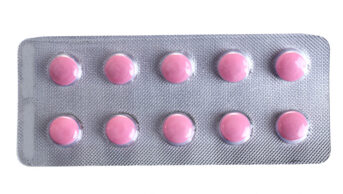
Four health organisations have written an open letter to National Institute for health and Care Excellence (NICE) calling for it to make clear that propranolol is not recommended for the management of anxiety disorders.
The letter, sent to NICE chief medical officer Adrian Hayter on 25 September 2026, requests NICE to review its clinical guideline on generalised anxiety disorder and panic disorder in adults. It was coordinated by the General Pharmaceutical Council and co-signed by the patient safety commissioner for England, Henrietta Hughes; Emily Kennedy, head of professional standards at the Royal College of Pharmacy; and Nicola Greenhalgh, president of the College of Mental Health Pharmacy.
Guideline CG113 does not mention propranolol, and the organisations ask NICE to update it to clearly state that propranolol “is not recommended by NICE for the management of anxiety disorders and highlight the risk in overdose”.
The organisations cite ongoing patient safety concerns, including fatal overdoses highlighted in prevention of future deaths reports from coroners. In 2022–2023, 318 patients took an intentional overdose of propranolol in the UK, of whom 12 died.
They note that propranolol is commonly prescribed for anxiety in primary care despite limited evidence for its effectiveness and significant risks in overdoses.
The letter acknowledges that NICE last reviewed CG1123 in 2025 following a coroner’s request, but decided not to update it, partly because the Medicines and Healthcare products Regulatory Agency (MHRA) had not issued a drug safety update, citing concerns about inadvertently increasing awareness of propranolol as a means of overdose.
The organisations argue that this position should be revisited. They point to a prevention of future deaths report from March 2026 highlighting that propranolol is “highly toxic”, has no specific antidote and that overdose treatment is “supportive and hospital based”.
They also note that the MHRA is reviewing whether stronger safety warnings are needed, as reported by The Pharmaceutical Journal in September 2026.
As well as asking NICE to state clearly that propranolol is not recommended for anxiety, the organisations ask that where a clinician chooses to prescribe it, the guideline should provide advice on “relevant safeguards and prescribing considerations, including assessment of suicide and self-harm risk”, and consideration of prescribing quantities and measures to minimise any serious harm.
The organisations conclude that updating CG113 would help “reduce avoidable harm” and support clinicians with consistent, evidence-based care.