Pladaphoto / Shutterstock.com
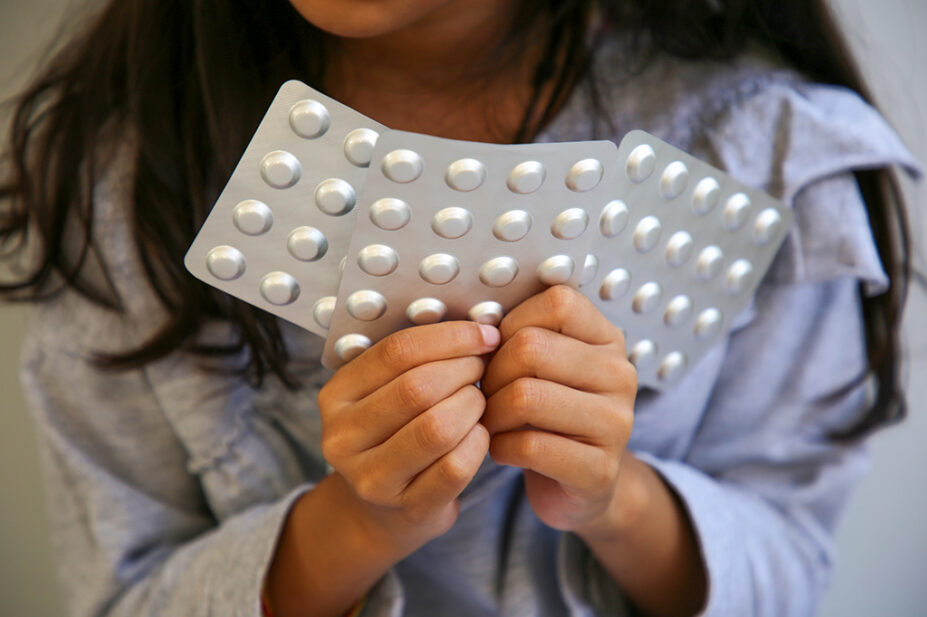
The number of NHS prescriptions in England for attention deficit hyperactivity disorder (ADHD) continues to grow, according to data from NHS Business Services Authority (NHSBSA).
Figures published on 10 September 2026, which cover the first quarter of the financial year (April to June 2026) show that the number of items prescribed classed as CNS stimulants and drugs for ADHD rose by 12% compared with the previous quarter. There were 1,309,903 items prescribed most recently, compared with 1,168,980 in the previous quarter.
In the first quarter of 2026, the number of identified patients increased by 11.6% to 395,000. Of the patients whose sex is known, 46% were female.
By comparison, in the same period the previous year (April to June 2025), the number of items increased by 6% to 965,000, and there was a 7% increase in identified patients, rising to 284,000. The same time the previous year, of the patients whose gender was known, 41% were female.
Among people aged 5–19 years, males were more likely to be identified as patients. In this age group, 43,094 were female and 104,063 were male.
Among older people, those aged 20–90 years and above, there were slightly more female patients than male: 136,508 identified female patients and 110,722 male patients.
Henry Shelford, chief executive of the charity ADHD UK, said: “These numbers represent people whose lives are getting better: lives turned around, relationships that hold, more people succeeding and thriving in work.
“Undiagnosed untreated ADHD is estimated by the ADHD Taskforce to cost the UK £17bn, giving ADHD healthcare one of the best returns on investment we have as a country. Rising healthcare support is a cause for celebration in every other area of health and ADHD should be no different. The real concern is the missed individual and national opportunity lost while hundreds of thousands of people are stuck waiting for an ADHD assessment.
“The statistics show for children, ADHD in girls is still significantly missed with very little change. It’s bad and not improving to where it needs to be. That’s not to say ADHD recognition is perfect for boys — it absolutely isn’t — it’s bad overall and wildly worse for girls. The rise in women coming forward in adulthood represents those missed girls recognising ADHD in themselves and looking for help.
“The lower proportion of men tells of another different problem and we don’t want to swap one gender issue for another. Overall, we need to see ADHD recognition, assessment and support that considers and understands gender differences.”
Shilpa Patel, pharmacist and senior practice partner at WellBN GP Surgery in Brighton, East Sussex, said: “We know from the literature that ADHD in girls and women has historically been under-recognised and that symptoms can be more internalised, and therefore less obvious to parents, teachers and healthcare professionals.
“What I see in adults is often a very different story. Women may have managed for years, sometimes extremely successfully, but the demands of university, careers, relationships, running a home or becoming a parent can make those coping mechanisms much harder to maintain. Some have previously been treated for anxiety or depression without anybody considering whether ADHD might be contributing to their difficulties. I think at least some of what we’re seeing is us finally getting better at recognising ADHD in a group of people we have historically missed.”
Patel said that, overall, she welcomed better recognition and access to treatment, but added: “I would be cautious about using increasing prescription numbers alone as a measure of success. This is why I constantly advocate diagnosis — then give people lifestyle skills and coping mechanisms, and only go down the pharmacological route if needed. We offer group consultations at WellBN to give our patients access to holistic care.”