Andriy Popov / Alamy Stock Photo
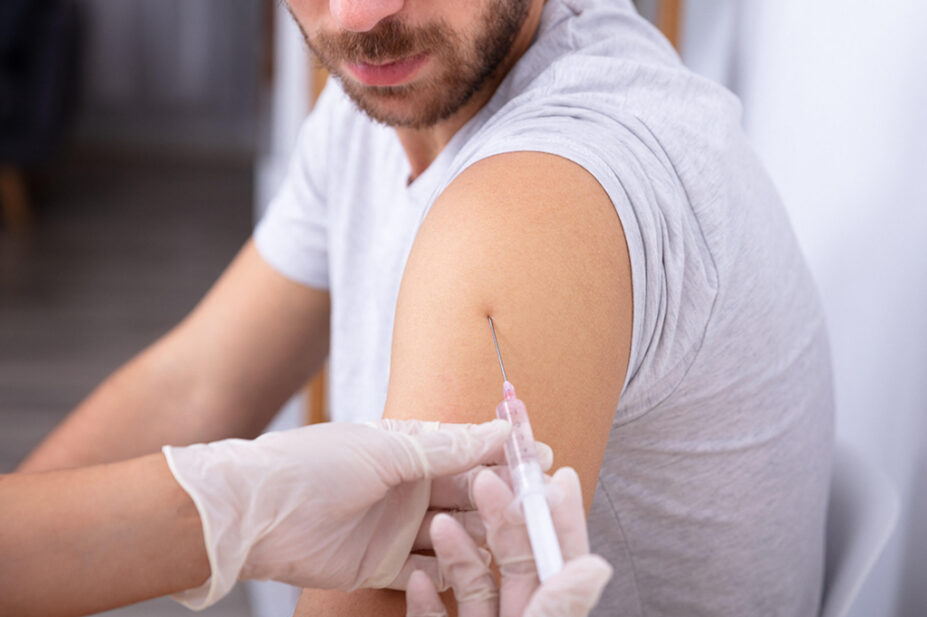
High street pharmacy chain Boots UK has launched a private gonorrhoea vaccination service across 160 of its stores, which the multiple has described as an “option for adults who cannot access the vaccination via the NHS”.
In a press release published on 6 August 2026, Boots UK said that the service is available to people aged 18 years and over, and costs £220 for the full course of two vaccine doses.
The NHS began what it called a “world-first” gonorrhoea vaccine programme across sexual health clinics in England in August 2025. Under this programme, gay and bisexual men with a recent history of multiple sexual partners and a bacterial sexually transmitted infection (STI) can receive the 4CMenB vaccine.
In a press release issued at the time of its service’s launch, the NHS said that the programme is intended to “shield those most at risk of gonorrhoea — potentially averting up to 100,000 cases of the disease”.
Commenting on the new service, Claire Nevinson, superintendent pharmacist at Boots, said: “Gonorrhoea often spreads silently with many people unknowingly passing on the infection. Vaccinations can help to break the chain of transmission, helping to protect people from catching the infection in the first place.
“Providing a gonorrhoea vaccination service through community pharmacies creates a convenient way for people to help protect their sexual health.”
Government figures published in June 2026 showed that gonorrhoea diagnoses decreased by 10.9% between 2024 and 2025, from 71,766 diagnoses in 2024 to 63,943 in 2025.
Taku Mukiwa, head of health programmes at the Terrence Higgins Trust, said: “We support anyone who’s being proactive in looking after their sexual health. But it’s important to know that the two doses of MenB [meningitis B] vaccine offers around 30% to 40% protection against gonorrhoea and so is best used alongside condoms and regular testing for sexually transmitted infections.
“Currently, this vaccine is available for free via sexual health clinics to gay and bisexual men who have or recently had gonorrhoea or another bacterial STI or have had multiple sexual partners in the last three months. This was decided by the [Joint Committee on Vaccination and Immunisation], based on the evidence on where it would make the most positive impact.”
Stephanie Katiyar, HIV PrEP implementation and sexual health pharmacist at Guy’s and St Thomas’ NHS Foundation Trust, said that gonorrhoea remains a significant public health concern in the UK.
“The introduction of a private vaccination service provides an additional option for people who are concerned about their risk but do not meet the current NHS eligibility criteria. However, at £220, affordability will inevitably be a barrier for some people, so it is important that private provision complements rather than creates inequalities in access to prevention,” she said.
“The NHS programme appropriately prioritises people at greatest risk, where vaccination is expected to have the greatest public health benefit. In an ideal world, wider access would clearly be attractive, but NHS vaccination programmes also have to consider the strength of the evidence, cost-effectiveness and how limited healthcare resources can achieve the greatest benefit.
“A large randomised controlled trial conducted in Australia recently reported lower efficacy against gonorrhoea than had been suggested by some earlier studies. It remains to be seen what level of protection will be observed within the UK population as the NHS vaccination programme is rolled out. This makes ongoing real-world surveillance particularly important.”