Imago/Alamy Stock Photo
A coroner has warned that the significance of “excessive” salbutamol inhaler use may not be fully recognised by patients or primary care teams, following the death of a patient.
Linda Lee, acting area coroner for Coventry, raised the concern in a ‘Prevention of future deaths’ report, published on 4 March 2026, following the death of Roman Louie Barr, who died from asthma on 14 December 2023, aged 22 years.
Earlier intervention by an emergency ambulance would have prevented his death, the coroner noted.
The coroner said she heard evidence that Barr, who died in hospital, had been “using his blue (salbutamol) inhaler more frequently than recommended — which indicates poor asthma control — and that neither he nor his family were aware of the clinical significance of this increased use”.
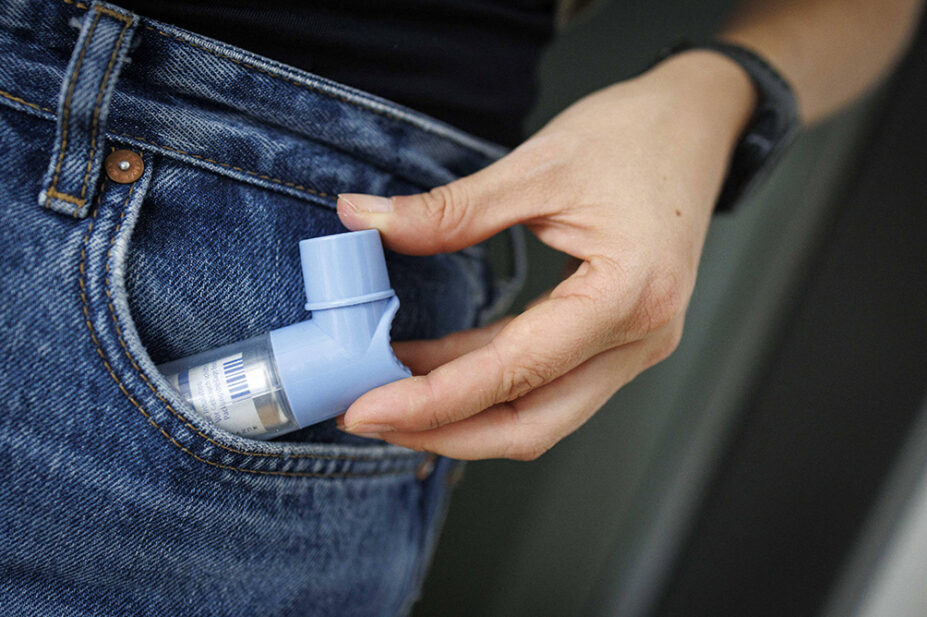
Salbutamol is a short-acting beta-2 agonist (SABA) asthma reliever medication.
“The evidence in this case indicates that the importance of excessive reliever use may still not be fully recognised by patients or by primary care”, although a drug safety update in April 2025 had reminded healthcare professionals of the risks of SABA overuse, the coroner added.
She also noted that following Barr’s death, his GP practice undertook a review and instigated measures to better identify and monitor patients with high salbutamol use. These measures included keeping a list of these patients, booking reviews when further inhalers are requested and liaising with community pharmacists, the coroner highlighted.
Darush Attar-Zadeh, honorary clinical fellow respiratory pharmacist at North West London Integrated Care Board, commented: “Frequent requests for salbutamol are a clear marker of deteriorating control and should always trigger a clinical review.”
There has “been consistent national messaging on this”, Attar-Zadeh explained, adding that guidance from the National Institute for Health and Care Excellence (NICE), the Medicines and Healthcare Products Regulatory Agency (MHRA), British Thoracic Society and Scottish Intercollegiate Guidelines Network all emphasise the risks of SABA overuse and the importance of regular review.
Attar-Zadeh added: “In practice, many GP clinical systems now include alerts for excessive inhaler prescribing and there are established tools (e.g. Ardens, PrescQIPP, ePACT2) that enable practices to proactively identify patients at higher risk.
“However, as this case highlights, implementation is not always consistent. While good systems and guidance exist, there can still be variation in how reliably high SABA use is flagged and followed up, and whether this leads to timely, meaningful intervention.
“Clearer, standardised processes — particularly around automatic alerts, defined thresholds (such as more than two SABA inhalers per year) and joined-up working between general practice and community pharmacy — could help ensure that no patients fall through the gaps. Pharmacists, in particular, are well placed to identify frequent requests and support early intervention.
“Ultimately, repeated requests for reliever inhalers should never be seen as routine — they are a clinical warning sign that warrants prompt review, optimisation of preventer therapy and patient education.”
Karen Spillett, deputy head of health advice at Asthma + Lung UK, said: “If someone is using their reliever inhaler more than three times a week, they need to make an urgent appointment with their healthcare professional to discuss treatment options as they are at risk of serious exacerbation.
“As well as improving basic care in line with the NICE guidelines and ensuring that everyone with asthma is given an annual asthma review, Asthma + Lung UK wants to see clinicians moving away from prescribing SABA inhalers to a combination inhaler, which can treat inflammation and asthma symptoms.
“In 2014, the National Review of Asthma Deaths stated that two-thirds of asthma deaths were preventable, and the overuse of relievers was a key factor. Since then, the number of people dying from these preventable deaths has gone up rather than down, which is why we need people to be aware of the importance of taking the right medication at the right time.”
On 17 March 2026, the Department of Health and Social Care (DHSC) announced a £10m package to improve care of people with asthma and chronic obstructive pulmonary disease. The Respiratory Transformation Partnership links NHS England, the Office for Life Sciences, pharmaceutical companies AstraZeneca, Chiesi, GSK, Sanofi, and 15 health innovation networks, as well as aims to give patients “faster, better and more personalised care”.
The partnership would identify patients who would benefit from more targeted treatments, expand access to biologic medicines and help community and primary care teams support patients closer to home, the DHSC said.
The coroner sent the report to the Wes Steeting, health and social care secretary, NHS England, NHS Pathways/NHS Digital, the Royal College of GP’s, Asthma + Lung UK (for information) and the Care Quality Commission, all of whom have until 29 April 2026 to respond.