Alexey Kornylyev / Alamy Stock Photo
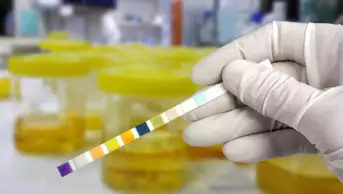
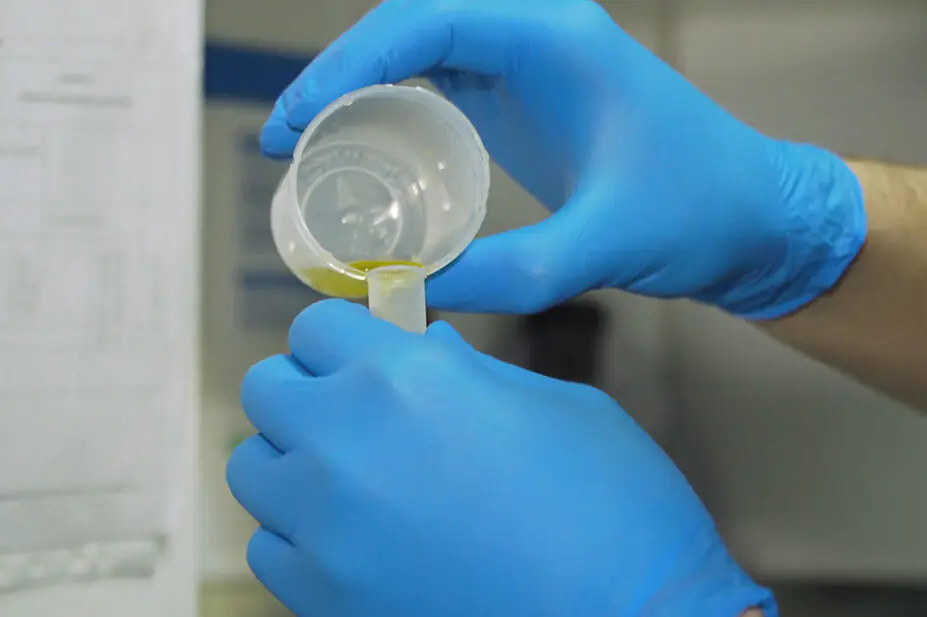
Study findings have suggested that a rapid urine test could select the correct antibiotic for patients with urinary tract infections (UTIs) within hours.
Publishing the results of their study in JAC Antimicrobial Resistance on 31 March 2026, researchers reported that the urine test could provide results in an average of 5.85 hours.
Under current laboratory testing methods, a urine sample must be cultured overnight so the bacteria can grow and be identified before antibiotic testing begins, which can take two to three days.
Researchers from the University of Reading, University of Southampton and Hampshire Hospitals NHS Foundation Trust tested 352 urine samples from patients with suspected UTIs.
They also observed that the rapid urine test matched the antibiotic susceptibility testing (AST) results of laboratory testing in 96.95% of cases for seven first-line antibiotics.
When 90 duplicate samples were tested with or without boric acid — routinely used as a preservative when collecting and storing urine samples — results of the urine test and laboratory testing matched in 98.75% of cases, which shows that the preservative does not affect accuracy of the urine test, the researchers found.
NHS data show that UTIs led to more than 800,000 hospital admissions between 2018 and 2023 and that one-quarter of urine samples analysed in the first half of 2023 contained antibiotic-resistant bacteria.
Orlagh McGarrity, senior antimicrobial pharmacist at Great Ormond Street Hospital for Children NHS Foundation Trust, said the urine test could be a “game-changer”.
“Rapid and reliable antibiotic susceptibility testing is key to improving antimicrobial stewardship across the board,” she explained.
“In the case of UTIs, this is a potential game-changer against the tide of multidrug-resistant UTIs, particularly in community practice and Pharmacy First schemes.
“This could certainly expedite AST results to the community practitioner, but identification of the organism is still required for patient records in the context of recurrent UTI and development of resistance,” she added.
“Early and appropriate, susceptibility-based treatment will lead to reduction in hospital admissions and bacteraemia, particularly for those who are most vulnerable, i.e. extremes of age and immunocompromised. It is great to see investment and innovation in this area where real change can be made.”
Oliver Hancox, chief executive of Astratus Limited, the University of Reading spin-out company that will take the test to market, commented: “By the time the laboratory delivers the result under current methods, a patient may already have finished their antibiotics, or been given ones that do not work.
“Being able to tell a doctor the same day which antibiotic to use means the patient gets the right treatment sooner, reducing the risk of resistance developing and their infection turning into potentially lethal sepsis.”