ANP/ Alamy Stock Photo
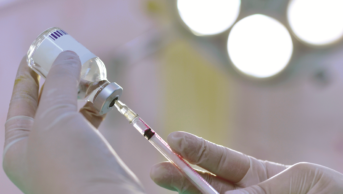
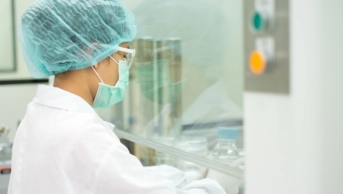
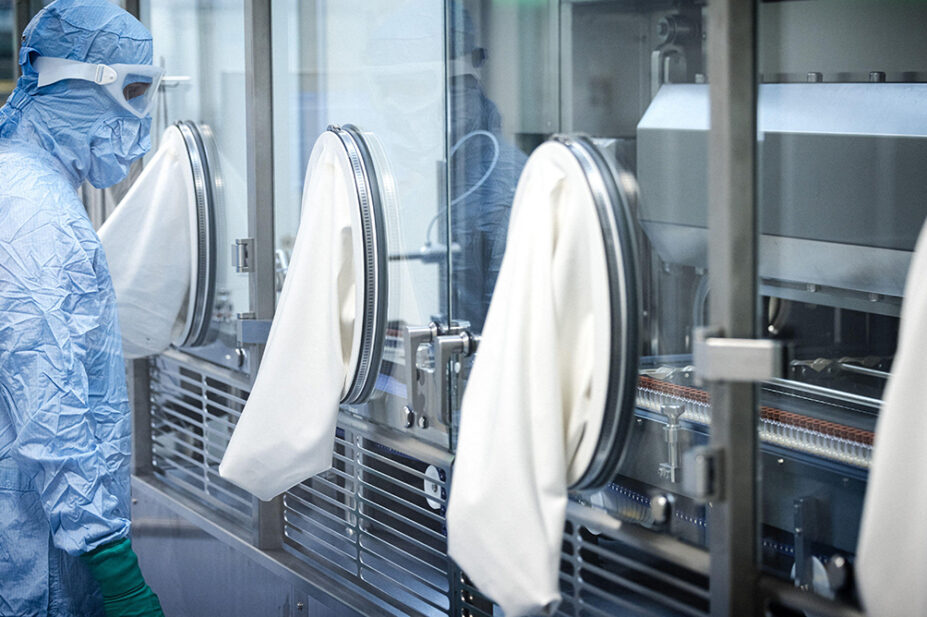
Aseptic facilities are “absolutely essential” for hospitals to be involved in clinical trials and the future of specialised medicines, Jatinder Harchowal, chief pharmacist and divisional clinical director at University College London Hospitals NHS Foundation Trust, said.
Speaking at the British Oncology Pharmacy Association’s 29th Annual Conference, held in London on 2 October 2026, Harchowal told delegates: “When you look at the direction of travel, and the types of studies coming in… the introduction of genetically modified organisms, the more specialist facilities are required. Not everyone has got that in place.”
Concerns have been raised about aseptic capacity in England, while a report into aseptic services’ readiness to prepare gene therapies in Wales identified “a big variation” in knowledge.
Harchowal continued: “You’ve got to be having that regular conversation with your boards to have that investment in place.
“There is a role here for chief pharmacists… to make sure that they are explicit about what they expect and would like to see in terms of that research capability and the opportunities in the organisation.”
Harchowal’s comments on a panel session followed opening remarks from David Webb, chief pharmaceutical officer for England, who said: “I’m really keen that we [in pharmacy] grow our research capability and capacity through enabling programmes, clinical academic careers and the professionals in pharmacy becoming more prominent as principal investigators.”
Also speaking on the panel, Mahendra Patel, director for the Centre for Research Equity at Oxford University, highlighted the importance of diversity within researchers and participants, as well as tailoring methods and approaches to different people’s needs.
Both Patel and fellow panellist, Liz Fidler, senior professional advisor for pharmacy technician practice at NHS England, stressed the importance of different roles within pharmacy being involved in research, including both pharmacists and pharmacy technician.
Patel also highlighted the need for protected time to enable pharmacy teams to get involved in research. In addition, the panel discussed how community pharmacy could be involved in cancer pathways.
Nick Kaye, immediate past chair of the National Pharmacy Association, highlighted local pilots, in which community pharmacies could offer a capsule sponge test for oesophageal cancer screening to patients presenting with persistent heartburn or acid reflux, or who pharmacy teams noticed were “buying too much Gaviscon”.
“You’ve got whole pharmacy teams being part of that process, to make sure we keep getting [patients] that access to where they need to be,” Kaye added.
“The patient doesn’t come in and say, ‘I’ve got cancer, can you help me?’” Patel agreed, acknowledging that they were more likely to present with symptoms like indigestion.
Instead, he said cancer pathways needed to be designed to fit into the conversations that pharmacy teams were already having with patients who present at community pharmacies “so that we are in a confident position to direct people into those areas”.