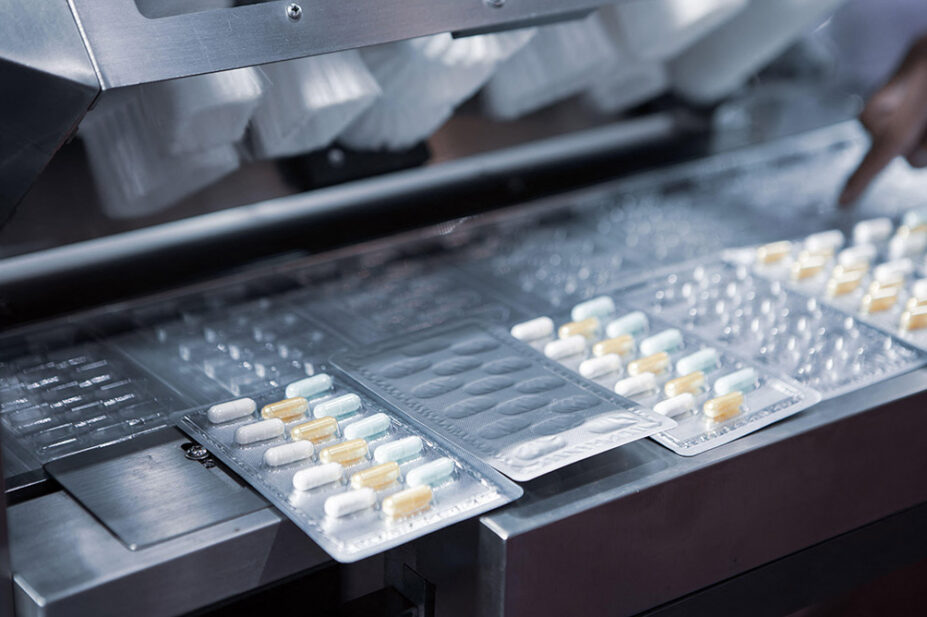
Itsanan Sampuntarat/ Alamy Stock Photo
Pharmaceutical companies have committed £1.98bn in investment into the UK since September 2025, the Association of the British Pharmaceutical Industry (ABPI) has revealed.
In a report, published on 8 September 2026, the ABPI also noted commitments made by the UK government in the past year to support pharmaceutical investment, including increasing cost-effectiveness thresholds used by the National Institute of Clinical Excellence (NICE) and favourable tariff rates agreed as part of the UK–US trade deal on 8 May 2025.
Richard Torbett, chief executive of the ABPI, said: “A year ago, the UK was losing ground in the global race for pharmaceutical investment. Today, the picture is more hopeful.”
The report also listed 16 financial commitments made by 13 pharmaceutical companies between October 2025 and July 2026 (see Table).
The publication of the report comes after a letter sent to the House of Commons Health and Social Care Select Committee by then health minister James Murray on 14 July 2026, which stated that before the UK–US trade deal was agreed in 2025, “the UK saw a number of pharmaceutical companies pause or withdraw investments totalling nearly £2bn — a trend that may have continued should the Arrangement not have been agreed”.
The letter added: “Since the start of 2026, the government has secured a series of major investments, including: AstraZeneca’s £300m investment in Cambridge and Macclesfield to expand R&D [research and development] and establish a new digital drug development laboratory; UCB committing £500m investment for a research hub in Surrey; a £45m investment by Accord in its Barnstaple site; and Boehringer Ingelheim’s £150m AI/machine learning centre in Kings Cross.”
However, in the ABPI report, Torbett warned: “This recovery is not yet secure. Investors make decisions that play out over decades, and they are watching closely to see whether the UK delivers on the commitments it has made.”
In particular, the report said that the UK was still uncompetitive compared with other countries regarding the median year three uptake of NICE-approved new medicines and the clawback rates paid by pharmaceutical companies. There were also major time-lags affecting the set-up and enrolment of clinical trials, it added.
The report continued: “The latest data (December 2025) shows that only 58% of industry trials opened to recruitment within 60 days of receiving approval, while just 44% of industry trials recruited their first participant within 30 days of recruitment beginning.
“While these values are higher than those observed in 2023 and 2024, both are below the 90% target — this represents progress, but is not yet at the speed and consistency needed.”
The report also suggested that clinical trial recruitment in the UK was limited by “unreliable feasibility assessments of study sites, inaccurate screening of potential participants and fragmented approaches to using NHS data”.
“If industry could more readily access the high-quality and representative longitudinal health data recorded by the NHS and other datasets, through safe and secure mechanisms, the UK would possess a unique selling point that could help it to attract additional investment,” it added.