Christina Pang/Alamy Stock Photo
More than one in three parents believe children always need antibiotics for ear infections, according to a UK Health Security Agency (UKHSA) survey.
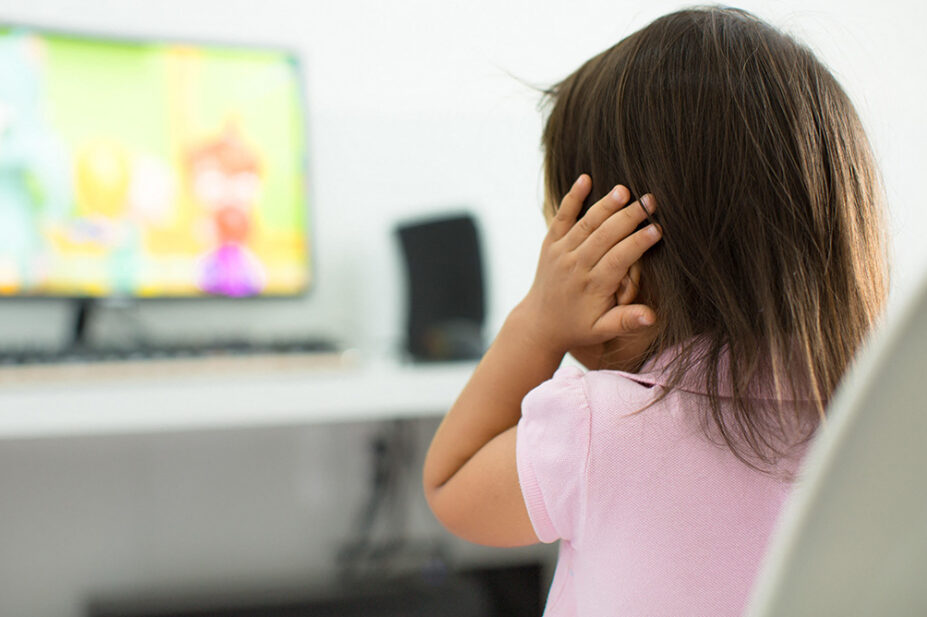
Data suggest that between 50% and 85% of children will develop at least one acute otitis media (AOM) infection before their third birthday. The UKHSA has noted that most AOM infections clear up by themselves within a few days, with one in five children requiring antibiotics.
However, the results of a survey of 503 parents across England whose children had experienced ear infection symptoms in a year-long period, published in the British Journal of General Practice in February 2026, revealed that over one-third (36%, n=181) of parents who responded believed antibiotics were always needed.
Just under half (49%, n=246) of parents who responded thought that most childhood ear infections could get better without antibiotics, while more than one-quarter (27%, n=136) were unsure, the survey found.
The survey results also showed that of those parents who did take their child to see a healthcare professional owing to a suspected ear infection, more than half (56%, n=282) said that their child was prescribed antibiotics.
When consulting healthcare professionals, 43% of parents (n=216) reported that they expected to receive advice on whether their child needed antibiotics, while less than one-third (28%, n=141) of parents actually received that advice.
AOM in children is one of seven common conditions covered under NHS England’s Pharmacy First service.
Catherine Hayes, UKHSA study lead for the survey, said: “Our survey highlights that more can be done to support parents to understand when an ear infection is serious and what they can do.”
She added that the UKHSA plans to address this by developing resources to support health professionals and patients during consultations.
“While antibiotics are sometimes necessary for children with ear infections, unnecessary antibiotic use can cause side effects in children and contribute to antimicrobial resistance,” Hayes said.
Claire Anderson, president of the Royal Pharmaceutical Society, commented: “These findings highlight that there is still more to do to improve public understanding about when antibiotics are needed. Many common infections, including most ear infections in children, will get better on their own and antibiotics are not always the most appropriate treatment.
“Pharmacists play a vital role in antimicrobial stewardship by helping parents understand how infections are treated, what symptoms to look out for and how to manage them safely.
“Taking the time to explain when antibiotics are and are not needed can help build trust and support responsible use of these medicines.”