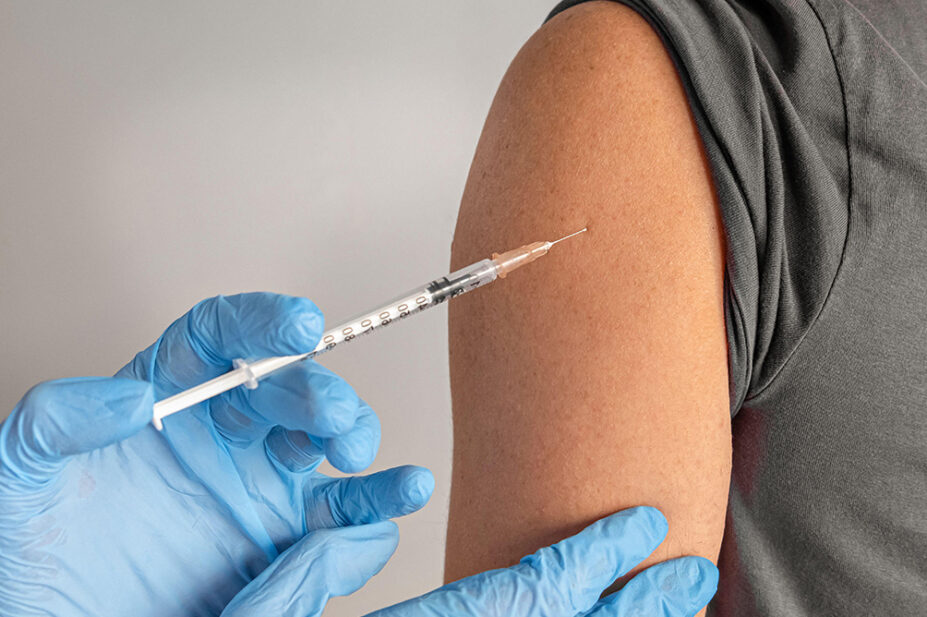
NHS England has commissioned community pharmacies in England to offer thousands of young people the two-dose meningococcal B disease (MenB) vaccine before the start of the 2026 academic year, it has announced.
In a statement published on 12 June 2026, NHS England said that the vaccination programme is aimed to protect all young people in year 13 — irrespective of their education plans — and those aged under 25 years starting university or residential further education for the first time in autumn 2026.
Eligible students will be offered the first dose from July 2026 and the second dose in August 2026.
Meningococcal disease can result in life-changing disabilities, such as amputations, hearing loss and brain damage. It is fatal in around 10% of cases.
The statement also highlighted UK Health Security Agency (UKHSA) data, which showed there were 313 confirmed cases of MenB in England in 2024/2025, accounting for approximately 83% of all invasive meningococcal disease (IMD) cases.
The cases disproportionately affected young adults and teenagers, as well as infants who are already offered the vaccine through the NHS schedule.
According to NHS England, the MenB outbreak in Kent in March 2026 was the fastest growing and largest ever seen in the UK.
NHS England said: “While the response to that incident has concluded, there have also been more clusters than normal this year, some of which have been bigger than expected.”
However, it added that evidence from the UK infant vaccination programme shows that the MenB vaccination has led to “around a 75% reduction in MenB disease among eligible vaccinated groups”.
Caroline Temmink, director of vaccination at NHS England, commented: “The NHS is ready to deliver this vital vaccination programme with appointments available at a number of community pharmacies from the end of July [2026] ahead of students starting university.
“Those eligible will be contacted directly through the NHS App, by text and email, and for those under 25 starting university for the first time they will be able to book their appointment directly with available pharmacies.”
Janet Morrison, chief executive of Community Pharmacy England (CPE), said that the MenB vaccination programme is “an important step in protecting young people this summer”, adding that “it is no surprise that the NHS and government are looking to community pharmacy to help”.
“Negotiations about pharmacy’s involvement are ongoing, but we hope to be in a position to share further details with pharmacy owners very soon,” she said.
Fin McCaul, CPE negotiating team member and chair of its service development subcommittee, said: “The government’s desire to involve community pharmacy in the MenB vaccination programme is testament to the amazing way in which pharmacies continue to step up and deliver — despite facing very serious ongoing challenges — and also to the constructive relationship that the sector still has with the government and NHS.”
Leyla Hannbeck, chief executive of the Independent Pharmacies Association, said: “[I am] confident that community pharmacies can mobilise and deliver this service consistently and promptly to the eligible cohort, with access to the right amount of vaccine stock.”
However, Henry Gregg, chief executive of the National Pharmacy Association, said: “[Although] a number of pharmacies already deliver MenB vaccines as a private service, showing that pharmacies are quickly able to deliver this on the NHS, we now need more details from the government about how this roll out will work in practice.”
James Murray, secretary of state for health and social care, said: “The Kent outbreak and recent clusters indicate a possible change to the way MenB affects people. While we assess the latest evidence, we are acting now to help protect young people at highest immediate risk as they enter university and residential colleges this autumn.”
Alongside the rollout, the DHSC, NHS England and the UKHSA will deliver a public information campaign to drive uptake among eligible groups. Further advice from the JCVI on the considerations for a longer programme will follow.