Dmitriy Shironosov/ Alamy Stock Photo
Pharmacist-led group consultations for menopause care, shaped by patients, led to “dramatic gains in knowledge and confidence” among the women who attended, pharmacists at Great Western Medical Practice in Aberdeen, Scotland, have found.
Speaking to attendees at the Royal College of Pharmacy Scotland conference, held on 21 August 2026 in Glasgow, Helen Goldie, lead clinical pharmacist at Great Western Medical Practice, said her experiences of seeing women struggle deeply with symptoms of menopause led her to pilot evening menopause clinics in 2025.
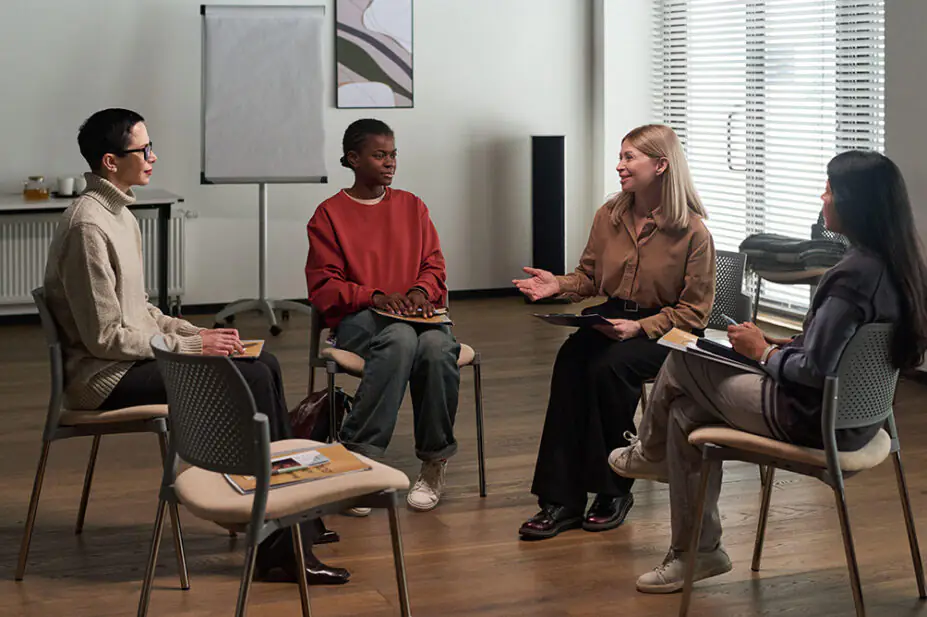
Goldie said that the clinics, which were co-created with patients and clinicians, offer menopause expertise, peer discussion and on-the-spot prescribing.
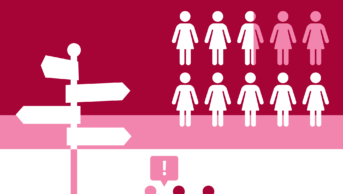
“By the end of last year, there were over one billion women in the world experiencing this, and right now, one-third of women who ask for help with menopause are turned away without treatment and without advice and not because they don’t need it but because the service isn’t designed around them,” she said.
Goldie highlighted that the project began with a 60-minute online group discussion to find out what women needed. The group discussion led to four pharmacist-led pilot group consultations — in person and online — with ten places per consultation, which included medical expertise, peer discussion and personalised advice, she noted.
“Women reported dramatic gains in knowledge and confidence, but the most frequently valued aspect of the group model — that standout message that we’ve heard again and again from women who co-designed this approach — is how much they value peer interaction and shared learning,” Goldie continued.
She also said that some women started hormone replacement therapy and others did not, which is important because “success wasn’t measured by prescriptions”.
“It was measured by giving every woman what she needed, whether that was medicine, whether that was lifestyle advice or reassurance,” Goldie added.
“We didn’t tell women what to do. We gave them information. We discussed options and made decisions together.”
Two-thirds of the women said that hearing other women’s experiences helped them feel reassured and realise they were not alone, Goldie said, adding that “this is community within healthcare — rather than viewing peer support as an adjunct to healthcare, the group’s consultation model has the community itself as part of the therapeutic intervention”.
“Women can learn from clinicians and each other,” she said.
Following the successful pilot, the clinics now continue to run monthly at Great Western Medical Practice.