Shutterstock.com / Steve Travelguide
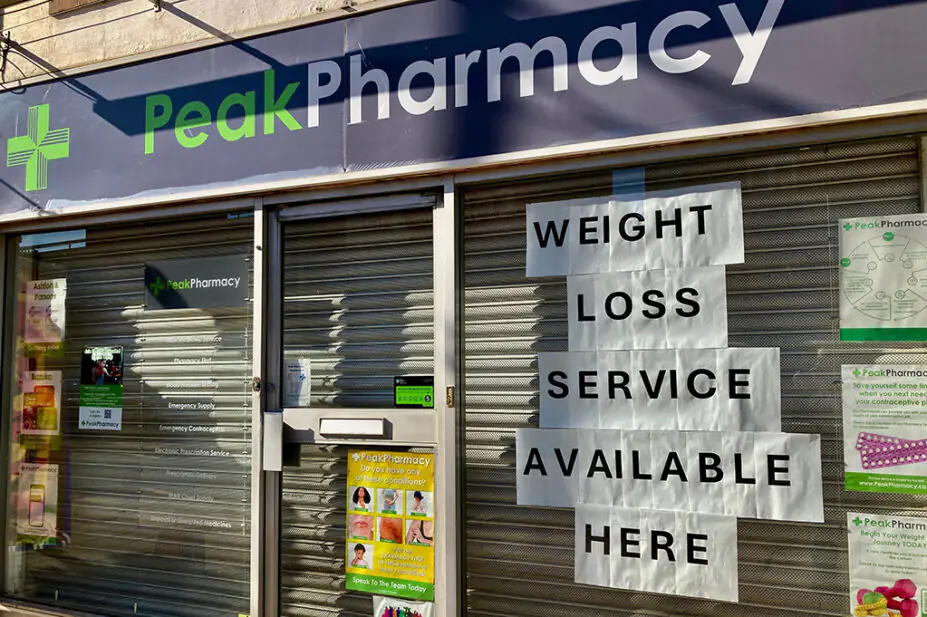
Community pharmacy is “perfectly placed” to help deliver a nationally commissioned weight management service, MPs heard during a Health and Social Care Committee session examining private provision of GLP-1 weight-loss medicines.
Claire Nevinson, superintendent pharmacist at Boots UK, told the committee on 25 March 2026 there was a “real opportunity” for community pharmacy to expand its role in supporting people to access obesity care.
She pointed to a growing workforce of independent prescribers able to provide a “holistic preventative service” for patients, which “feeds into the ambitions” of the NHS ten-year plan’s focus on prevention.
Nevinson highlighted the accessibility of the community pharmacy network and its ability to offer both in-person and digital care. “This type of holistic preventative service is perfectly placed to be delivered through [the] community pharmacy network,” she said, adding that Boots’ experience delivering private services could inform NHS provision.
She added that the company would “welcome conversations to co-create and establish national commissioned services through pharmacies”.
Witnesses from private and digital services broadly agreed that the NHS could learn from their experience of delivering services at scale and offering flexible access.
Kieran Seyan, chief medical officer at Pharmacy2U, said this included creating “an environment where patients can access care early”, while also generating long-term data on outcomes.
Simon Doyle, public policy and partnerships lead at Juniper, representing the Coalition of Responsible Digital Health at the committee meeting, said digital models offer “more flexibility and choice” compared with traditional models.
All witnesses emphasised the importance of “wrap-around care” alongside prescribing GLP-1 medicines.
Seyan said Pharmacy2U offers a “structured clinical pathway” including consultations, multidisciplinary support, follow-up after two weeks and ongoing lifestyle guidance.
Nevinson added that Boots offers patients access to clinicians seven days per week, alongside webinars, podcasts, app-based support and advice on diet and exercise.
Doyle explained that coalition providers also offer side-effect management, dose titration support and behavioural coaching.
Witnesses suggested that a hybrid model combining community pharmacy and digital services could mirror previous public health programmes, such as the HPV vaccination, to improve public access and engagement.
Concerns were highlighted during the session around a growing illegal market for weight-loss medicines. MPs heard evidence of an “unregulated wild west market”, with products being sold online and through other channels outside regulatory oversight.
Witnesses agreed that improving access to legitimate services could help reduce demand for unsafe alternatives. Nevinson called for better public education to “cut through the misinformation and the noise”, while Doyle warned that excluding responsible providers from regulatory discussions could “leave space for bad actors”.
Andy Morling, deputy director of criminal enforcement and head of the Criminal Enforcement Unit at the MHRA, told MPs there was a “blurring of lines” between legitimate online providers and “illegal medicine sellers”, with some operating as a “front” for illicit supply.
He told the committee that the agency has seized around 81,000 doses of GLP-1 medicines over the past three years, but suggested this represented only a fraction of the total market, estimating seizures could account for “no more than 5 or 10%” of total activity.
Morling explained that the regulator works with social media companies to remove offending posts and accounts, but described the approach as “a bit like whack-a-mole” given the “sheer volume and speed” at which content appears.
He added that the MHRA can “ask” but cannot compel social media companies to take content down.
“We cannot arrest our way out of this,” he told MPs, emphasising the need to reduce demand through public education.
Morling said that the MHRA has made the issue a priority since the approval of semaglutide for weight loss in 2023 and said: “I can reassure you and the public that we are on this. We have capability we need and capacity we need.”
You may also be interested in

Community pharmacists can prescribe outside of existing Pharmacy First age limits, NHS England confirms

Negotiator says there is ‘very little evidence’ of pharmacy involvement in neighbourhood health plans