UK PARLIAMENT
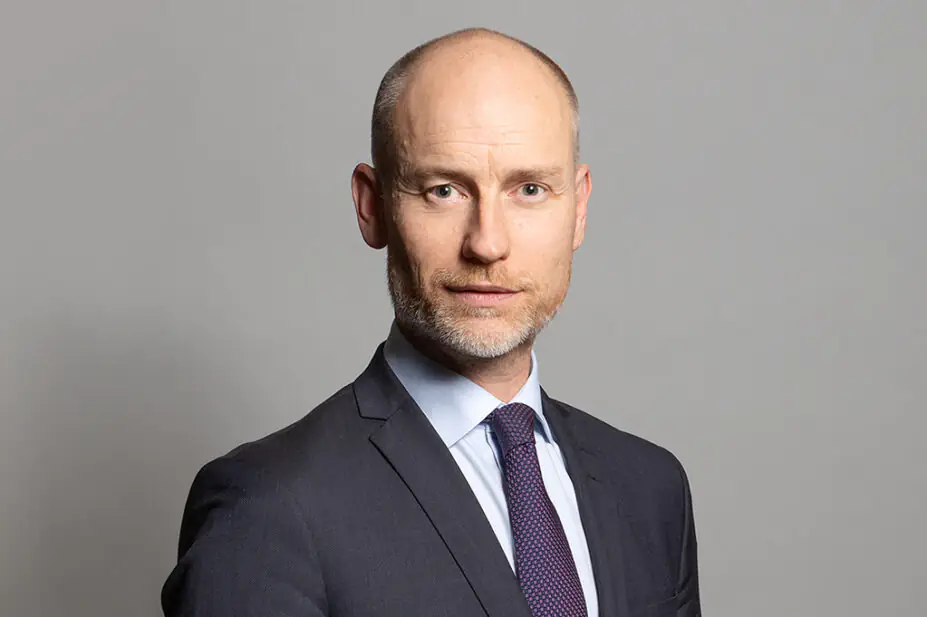
A national campaign to promote Pharmacy First services appears to have increased public awareness, trust in pharmacy advice and “intention to use”, according to pharmacy minister Stephen Kinnock.
In a written parliamentary answer, published on 9 February 2026, Kinnock gave details on the results of a promotional campaign, which ran between November and December 2024.
He highlighted data from the campaign, which showed that public awareness that pharmacies can treat Pharmacy First conditions rose from 71% before the campaign to 79% after.
Trust in advice from pharmacy teams rose from 61% before the campaign to 70% after, the data showed, while public “intention to use” a pharmacy if experiencing a condition covered by Pharmacy First increased from 32% to 37%.
“[This] positive shift in people’s attitudes is reflected through an increased use of the Pharmacy First service,” Kinnock said.
He pointed out that in October 2024 — one month before the start of the campaign — there were 198,794 completed clinical pathways, adding that the number of completed clinical pathways then increased to 259,323 in December 2024, a rise of around 30%.
Seven clinical pathways are provided under the Pharmacy First service: acute otitis media, acute sore throat, impetigo, infected insect bites, shingles, sinusitis and uncomplicated urinary tract infections in women aged from 16 to 65 years.
Commenting on the figures, Malcolm Harrison, chief executive of the Company Chemists’ Association, said: “Pharmacy First continues to be a success, with strong year-on-year growth. Data show that the majority of consultations are patient initiated walk-ins, with only a modest increase in GP referrals. This indicates that driving public awareness is likely to have a bigger impact on overall uptake.
“To fully maximise its potential and drive uptake, Pharmacy First needs a broader, sustained public promotional campaign. Expanding the service — by adding more conditions and enabling independent prescribing to broaden eligibility for each condition — would enable pharmacies to treat more people and naturally drive public awareness.
“This would help embed pharmacy as the first port-of-call for routine primary care. Our modelling shows it could also deliver wider NHS benefits and could free up around 40 million GP appointments,” he added.
Leyla Hannbeck, chief executive of the Independent Pharmacies Association, told The Pharmaceutical Journal: “There simply have not been enough promotional activities [for Pharmacy First].
“The whole campaign could have been more effective and better thought through.
“Spending on a campaign like this saves NHS money down the line, after all the whole purpose of pharmacy first was to reduce burden on GPs, bring convenience to patients and cut costs,” she added.
In September 2025, pharmacy contractors were told they would be required to participate in a Pharmacy First promotional campaign using materials to promote the service locally, alongside an NHS England campaign aimed at the wider public.
In his parliamentary answer, Kinnock said that a second public advertising campaign ran from 20 October 2025 to 4 January 2026, with evaluation “underway”.