

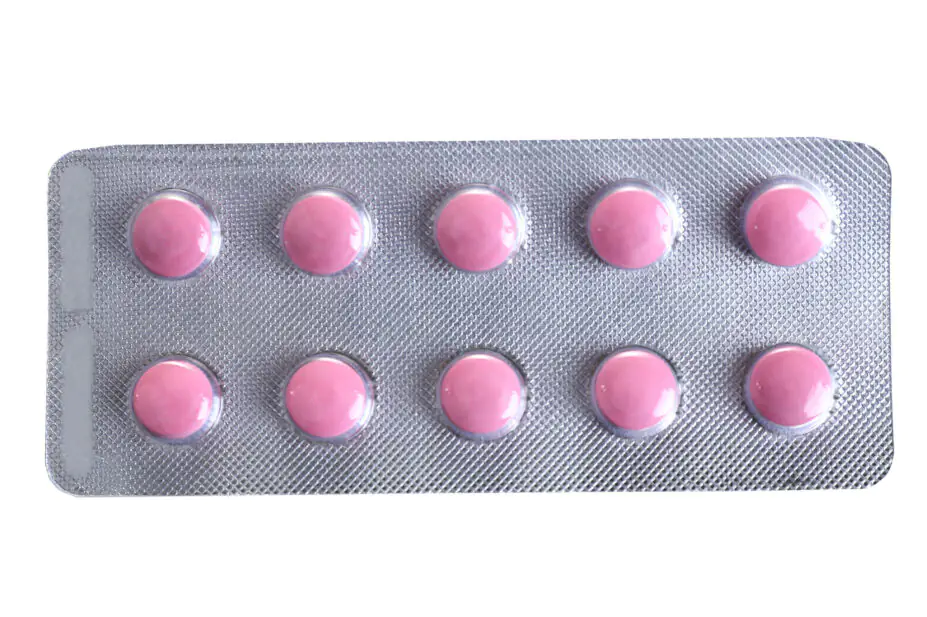
Pixel-shot / Alamy Stock Photo
The UK’s medicines regulator is undertaking a review of the harms of propranolol in overdose, its benefits and risks for use in anxiety, and whether stronger safety warnings are needed.
It confirmed this in a response to concerns raised by Royal College of Pharmacy and the Royal College of Physicians about the issue, The Pharmaceutical Journal has learned.
In a letter to the Medicines and Healthcare products Regulatory Agency (MHRA) dated 15 July 2026, the colleges asked the regulator to consider removing propranolol’s indication for generalised anxiety and strengthen the warnings in the summary of product characteristics (SmPC), particularly where there is a risk of overdose, self-harm or suicide.
In a letter of response, sent to the royal colleges on 6 August 2026, the MHRA said it was undertaking a review of the available data on the harms of propranolol in overdose.
This review is considering whether further regulatory action is needed, including updates to the SmPC and patient information leaflet and targeted communications to healthcare professionals and patients, to support earlier recognition of risk and reduce avoidable harm.
It will also include consideration of the balance of benefits and risks of propranolol for the relief of anxiety symptoms, the MHRA confirmed to The Pharmaceutical Journal on 17 September 2026.
The original letter from the royal colleges was written by the Medicines Safety Joint Working Group. In the letter, group co-chairs Zuzanna Sawicka and Kate Ryan said that propranolol was “of no proven efficacy for treatment of generalised anxiety” and that the National Institute for Health and Care Excellence (NICE) Guidance (CG113) on generalised anxiety disorder and panic disorder in adults does not mention beta-blockers as a treatment.
They suggested that GPs viewed beta-blockers to be a low-risk alternative to benzodiazepines, but in fact, if taken in overdose, “propranolol poisoning is life-threatening, difficult to treat, and results in a significant number of deaths”.
In the UK, 318 patients took an intentional overdose of propranolol in 2022–2023, of which 12 people died.
Multiple coroners have raised concerns about the drug in prevention of future deaths reports.
“Patients at increased risk of overdose, such as those taking antidepressant medicines, and those who have already taken an overdose, continue to be prescribed propranolol,” Sawicka and Ryan said.
“MHRA has the power to reduce the harm from propranolol poisoning by changing the SmPC,” they added.
Commenting on the letter from the royal colleges, David Taylor, director of pharmacy and pathology at South London and Maudsley NHS Foundation Trust, told The Pharmaceutical Journal: “Propranolol is dangerous in overdose. Given the near absence of any evidence of benefit in anxiety disorders, it seems sensible to radically restrict its use and to implement measures to restrict the size of dispensed quantities.”
He said that some people do report “a substantial benefit” from propranolol to reduce the severity of some physical symptoms of anxiety, including tachycardia and tremor, in situational anxiety syndromes such as social anxiety, public speaking or fear of flying. But he said: “In these specific indications, there is either evidence that propranolol is ineffective (e.g. social phobia; agoraphobia) or an absence of evidence that propranolol is effective.”
Colin Davidson, professor of neuropharmacology at the University of Lancashire, told The Pharmaceutical Journal: “There are several other anxiolytic drugs with better safety profiles that could be used. GPs and pharmacists need to be educated about these issues as part of their CPD [continuing professional development].”
1 comment
You must be logged in to post a comment.
You may also be interested in

Pharmacy regulator and royal college call on NICE to state propranolol is not recommended for anxiety

Search engines could prioritise GB-registered pharmacies to tackle online fakes, report from regulator says
'Some people report a substantial benefit' so don't deprive them -people like myself who really suffer from the physical symptoms of anxiety -of an effective drug that allows them to function relatively normally. Whatever happened to patient choice and empowerment, or have they been replaced by new buzzwords.