Aleksandr Finch / Shutterstock.com
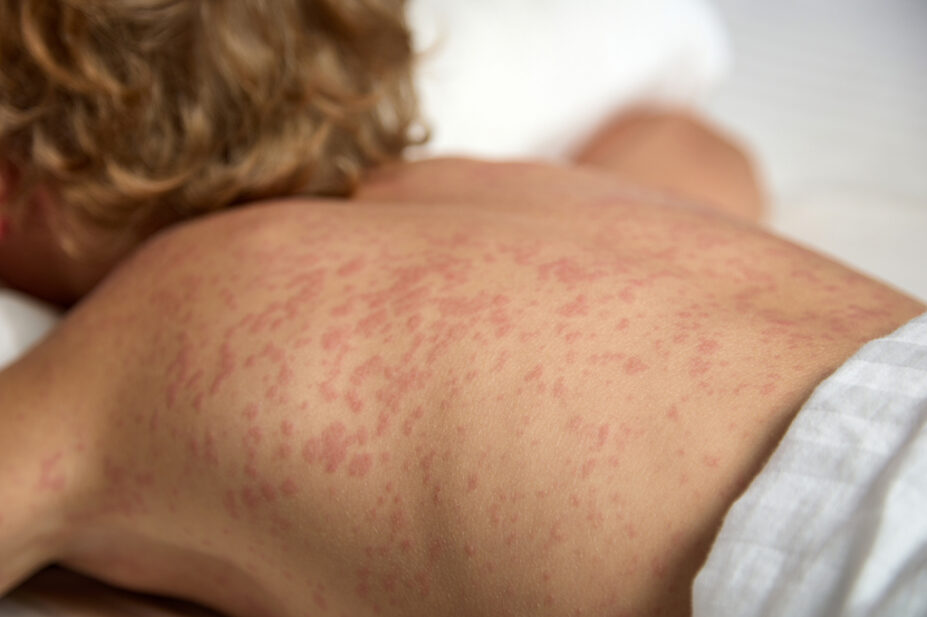
Two measles-related deaths have been confirmed in England in 2026, according to the latest measles data from the UK Health Security Agency (UKHSA).
In a statement published on 11 June 2026, the UKHSA said that a further 106 laboratory confirmed measles cases have been reported in England since 25 May 2026, bringing the total number of confirmed cases between 1 January and 8 June 2026 to 736. This is compared to 959 cases for the whole of 2025.
The majority (449 out of 736, 61%) were in unvaccinated children aged 10 years and under, and 34% (247 out of 736) were in young people and adults aged 15 years and over.
More than half (55%, 404 out of 736) of the cases were in London, 18% (136 out of 736) in the West Midlands, and 10% (77 out of 736) in the North West. However, all regions have reported at least one confirmed case with symptom onset since January 2026.
The data also show that 85 upper tier local authorities (UTLAs) have reported at least one confirmed case with symptom onset since January 2026, with the highest numbers reported in Enfield, London (111 out of 736, 15%), Birmingham, West Midlands (79 out of 736, 11%) and Haringey and Islington, London, with 49 each (49 out of 736, 7%).
The UKHSA said one child died from “acute measles” and another child’s death was linked to the “late effects of measles”.
Health secretary James Murray called the two reported deaths “a heartbreaking reminder that measles is not a harmless childhood illness”, and urged “all parents and carers to check that their children are up to date with their vaccinations”.
David Elliman, honorary associate professor at University College London, said: “It is also worth remembering that, although it is best to have the vaccine in early childhood, there is no upper age limit for the vaccine. If you have not had two doses of a vaccine containing measles, it is never too late to catch up.”
The World Health Organization has advised that at least 95% of children are routinely immunised to achieve and sustain herd immunity.
However, Graham Blair, chief executive of the British Society for Immunology, said “measles vaccine coverage has been steadily declining since 2021, reducing population immunity”.
“In 2024/2025, just 83.7% of children in England received their measles vaccinations by the recommended age,” he added.
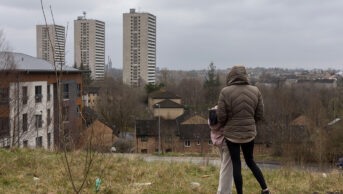
“As a result, measles outbreaks are becoming more frequent, particularly in densely populated areas where vaccine uptake is low.”
Supporters of community pharmacy as accessible vaccination sites say they are ideally placed to address low levels of vaccination uptake, particularly in areas of deprivation.
Mahendra Patel, chair of the Royal College of Pharmacy’s English Pharmacy Advisory Council, said: “Community pharmacies have a vital role to play in improving access to and uptake of vaccinations as they are highly accessible, trusted settings where supportive conversations, signposting and delivery of vaccinations can take place.
“Strengthening the role of pharmacy within vaccination pathways could help reverse declining uptake, addressing health inequalities and ensuring more people are protected from diseases like measles.”
Looking ahead, Ben Kasstan-Dabush, assistant professor of global health and development at the London School of Hygiene and Tropical Medicine, said: “Longer-term strategies must explore embedding vaccination in the broader policy changes taking place, such as the Best Start hubs and tackling child poverty strategies, to help attain greater equity in coverage and protection from disease.”