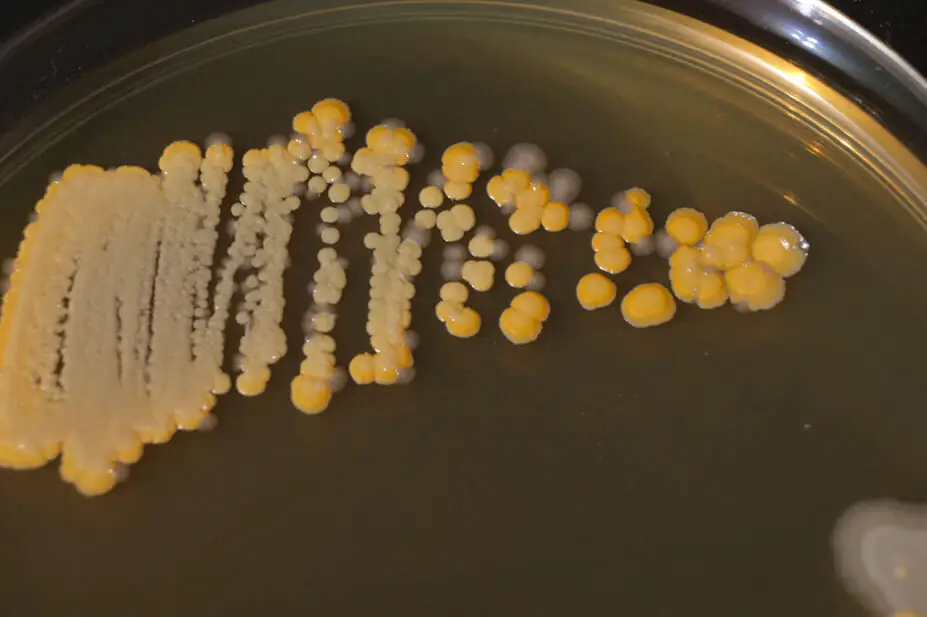
Mohammed Al ali/ Alamy Stock Photo
The UK Health Security Agency (UKHSA) has released a toolkit that is intended to support healthcare organisations in identifying and addressing antimicrobial resistance (AMR)-related health inequalities within the populations they serve.
The toolkit, which launched on 11 August 2026, has been developed to collate existing resources and data sources, summarise their key features, and signpost users to relevant materials, which are aimed at helping healthcare providers identify resources that can be adapted to local needs and contexts.
Resources provided under the toolkit are aimed to address health inequalities in AMR affecting groups including: care leavers and vulnerable young people; Gypsy, Roma and Traveller communities; migrants; people living in communal housing or experiencing homelessness; sex workers; people in contact with the criminal justice system; and people experiencing drug and/or alcohol dependence.
There are also resources on inequalities relating to age, disability, sex, gender, sexual orientation, religion, geography, socio-economic deprivation, pregnancy and ethnicity.
In addition, data sources, guidelines, toolkits and flowcharts, as well as e-learning sources, provide structured approaches, recommended practices and decision-making support, which will help users design and implement interventions informed by the patterns and priorities identified.
Tase Oputu, president of the Royal College of Pharmacy, said: “Pharmacists have a vital role to play in tackling both AMR and the health inequalities that can increase people’s risk of infection and poorer health.
“This toolkit can help pharmacy teams identify underserved populations and tailor interventions to local need. Pharmacists may find the data dashboards, case studies and resources addressing groups at greater risk of health inequalities particularly useful in supporting equitable access to infection prevention, antimicrobial stewardship and healthcare services.”
The toolkit has been developed through collaboration across all four nations as part of the UK’s five-year national action plan (NAP) for AMR.
One of the NAP’s commitments is to “collate cost-effective, evidence-based resources into a toolkit, adaptable to local needs, for identifying and addressing health inequalities in access, infection incidence, clinical outcomes, vaccine uptake and antimicrobial exposure”, with the aim of improving the information available “to identify where the burden of AMR is greatest… to target future interventions where they will have the greatest impact”.
In its first five-year health security risk assessment, published on 11 June 2026, the UKHSA suggested that AMR, seasonal pressures and healthcare system capacity were notable risks which could exacerbate the impact of potential infectious diseases.
The results of a scoping review, published on 8 August 2026, suggest that pharmacist prescribers could work alongside prescribing nurses to further antimicrobial stewardship.
In addition, a major international study of antibiotic use, the results of which were published in July 2026, has developed the first global framework to estimate how many and which type of antibiotics each country needs to treat infections.