Charlotte Gurr
Every time a patient opens a box of medicine, there’s a patient information leaflet (PIL) inside, but how often do we stop and think about how that leaflet is actually experienced? The PIL has been part of medicine for decades and for good reason. It plays a critical role in explaining how to use medicines safely, what side effects to look out for and when to seek help.
However, as patients’ lives and expectations change, it’s increasingly clear that the way we share information about medicines needs to change too.
What patients are telling us
Recent independent research commissioned by the Medicines and Healthcare products Regulatory Agency (MHRA), carried out by WoodNewton, reinforced what many healthcare professionals may already sense. Some patients still value paper leaflets, particularly for familiarity and reassurance; however, many also see opportunities for information to be presented in more useful, meaningful ways.
Patients have told us they need more than just information to read. They want clear, practical guidance that helps them understand what actions to take, supports them in making informed choices, and enables them to use medicines safely and effectively.
Why we need to improve patient information
PILs became a legal requirement in the UK in 1999, helping ensure everyone has access to the same essential safety information. By law, a package leaflet must be included with every medicine. The only exception is where all the required information is already provided clearly on the outer or immediate packaging of the product.
Over time, the MHRA has developed detailed guidance to support manufacturers in producing consistent, accurate leaflets.
These guidelines have supported patient safety. But even with these safeguards in place, many people struggle to find, understand or act on the information they need. Leaflets can be overwhelming, hard to navigate or simply not suited to the moment when a patient actually has a question.
Digital delivery offers the potential for patients to access up-to-date information quickly and easily to meet their diverse needs
At the same time, the way people access information in everyday life has transformed. In more recent years, the delivery of patient information through digital means has emerged as a significant opportunity. In today’s evolving digital landscape, most people have access to smartphones or other forms of communication technology. Digital delivery offers the potential for patients to access up-to-date information quickly and easily to meet their diverse needs. This is particularly relevant given that PILs are frequently updated as new safety information becomes available. In a paper-based system, updating leaflets can take considerable time — often six to nine months or longer — owing to manufacturing and supply chain constraints. As such, paper leaflets may not always be the preferred or most effective means of communication for all individuals.
What we are doing
To keep up with this changing landscape, the MHRA has launched the Improving Patient Information (IPI) project, a three-year programme focused on improving how information about medicines is delivered. Our aim is simple: to make patient information clearer, easier to access, and better suited to how people live and manage their health today.
We want to explore new and improved ways of sharing patient information so it’s clear, concise and easy to understand
As part of this work, we’re working closely with patients and pharmacists — as well as healthcare professionals and partners from across the healthcare system — to understand what information is available, how it is used and where there are opportunities to do better.
We want to explore new and improved ways of sharing patient information so it’s clear, concise and easy to understand. Most importantly, we want people to have the information they need to feel confident, informed and supported when making decisions about their medicines and their healthcare.
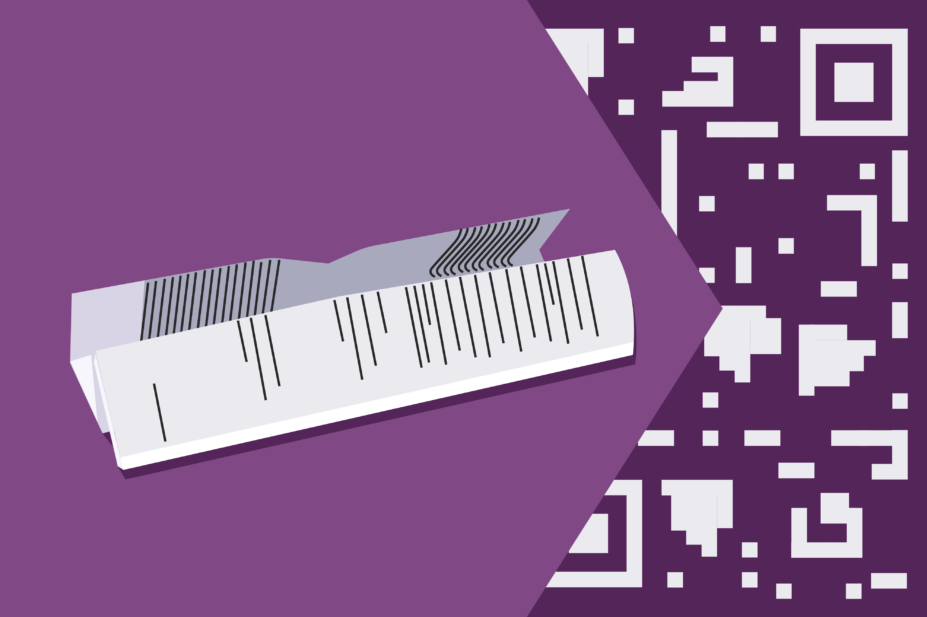
International trends indicate that other markets are already moving towards digital solutions, such as QR codes, apps and online platforms, offering patients immediate access to current safety information with the potential for future personalisation. Digital platforms may ultimately enable more tailored communication, highlighting relevant information to patients in ways not currently possible with paper formats.
Together we can make a difference
Improving patient information isn’t something any one organisation can do alone. It requires collaboration across regulators, pharmacists and other healthcare professionals, industry and patient groups to ensure changes are safe, evidence-based and genuinely beneficial.
Paper leaflets may always have a role, but by broadening how we share medicines information, we have an opportunity to support safer use, better understanding and more confident decision-making for patients.
If you would like to follow our project and keep up to date, you can find out more by visiting the MHRA’s Improving Patient Information pages.
You may also be interested in
The provision of easy-to-read patient information should be available at the point of prescribing

Lost in fine print: how patient information leaflets are failing patients