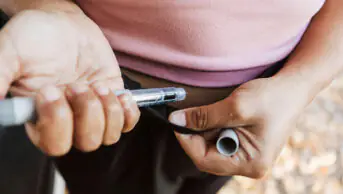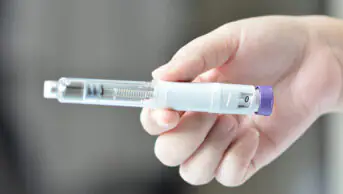
Nipiphon na chiangmai / Alamy Stock Photo
Oral semaglutide (Wegovy, Novo Nordisk) tablets for weight loss have been approved by the Medicines and Healthcare products Regulatory Agency (MHRA).
In a statement published on 11 June 2026, the MHRA said that the drug — the first oral glucagon-like peptide-1 (GLP-1) available in the UK — can be used in adults with obesity, who have a BMI of 30 or above, or who are overweight with a BMI between 27 and 30 and at least one weight-related comorbidity.
It has advised that patients must start at the lowest 1.5mg daily dose, which can be escalated to 4mg, 9mg and 25mg with a minimum duration of one month at each dose level.
The MHRA said the once-a-day tablet should be taken whole on an empty stomach with a sip of water, after fasting for at least 8 hours. After taking it, food or drink should be avoided for at least 30 minutes, otherwise absorption of the semaglutide could be lowered.
The statement also noted that common side effects of the medicine include gastrointestinal disorders such as nausea, diarrhoea and constipation. It continued that vomiting patients should report any suspected side effects to their clinician and to the MHRA’s Yellow Card scheme.
Sebnem Avsar Tuna, general manager at Novo Nordisk UK — which manufactures the drug — said: “This marks an important milestone for obesity care in the UK.
“For the first time, people living with obesity have access to a GLP-1 treatment in a daily pill, allowing them the choice and flexibility of oral treatment to support their long-term weight management.”
The approval has been anticipated by pharmacies and weight-loss providers, including Superdrug Online Doctor, which launched an information register on 5 June 2026 for people interested in receiving updates about a future oral weight management service.
The MHRA said that patients currently treated privately with a 2.4mg semaglutide injection once weekly can be transitioned straight to semaglutide 25mg tablets once daily.
Commenting on the announcement, Olivier Picard, chair of the National Pharmacy Association, said: “This is a very significant announcement that will have a major impact on people trying to achieve a healthy weight through weight-loss treatment.
“This is particularly significant for patients who cannot or do not want to take an injectable medicine and may also bring down the cost of treatment in the long run. Pharmacies are awaiting further guidance about when this treatment will be available for patients.
“However, we are concerned about a growing black market for counterfeit weight-loss treatments, with a tablet form of medication potentially easier for criminals to counterfeit. Patients must only ever obtain weight-loss medication, properly prescribed and dispensed by a regulated pharmacy. Unregulated providers may be selling faked medicines or medicines that do not meet the strict safety standards we have in the UK.”
Leyla Hannbeck, chief executive of the Independent Pharmacies Association, said: “Patients achieve the best outcomes when medication is accompanied by ongoing clinical support, lifestyle advice and regular monitoring.
“Local pharmacies are highly accessible, at the heart of local communities and are best placed to help patients use these medicines safely and effectively while supporting the wider behavioural changes needed for long-term success.”
Kieran Seyan, chief medical officer at Pharmacy2U, said: “The approval of a new prescription-only oral weight management medicine is an important development in obesity care.
“As treatment options evolve, patients should have access to clear, balanced clinical guidance on the different approaches available and what is appropriate for their individual needs. The NHS estimates that about one in ten people experience needle phobia, and a wider range of formulations may help clinicians support patients for whom injections are a significant barrier to adherence. That said, these medicines may not be suitable for everyone and should only be prescribed after a thorough assessment by a qualified clinician.
“As public interest in medicated weight management grows, it is increasingly important that patients use reputable clinical services rather than unregulated online sources or counterfeit products. Innovation in this area is welcome, but it must be matched by responsible prescribing, good patient information and follow-up,” he added.