Kumar Sriskandan/Alamy Stock Photo
Emergency hormonal contraception should be reclassified as a general sales list item, which would allow it to be sold directly from shops and retailers, the College of Sexual and Reproductive Healthcare (CoSRH) has said.
The call follows the results of a survey carried out by YouGov, published on 1 July 2026, which found that four in ten UK adults (43%, n=909) said they thought it would be difficult to access emergency contraception on a Sunday, while almost two-thirds (65%, n=1,375) believed it would be difficult to obtain after 22:00.
Of the 2,115 UK adults surveyed, six in ten (61%, n=1,290) said they supported emergency contraception being available for purchase directly from shops and retailers, with particularly high support (75%) among young adults aged 18–34 years.
In contrast, 15% of UK adults opposed the idea, including just 8% of those aged 18–34 years.
If taken before ovulation, the drug can delay ovulation and prevent pregnancy, which is more effective the sooner that it is taken after sexual intercourse.
Zara Haider, president of the CoSRH, said: “Emergency contraception is a safe and effective but time-sensitive method of contraception. Yet these findings show that a significant number of people are worried they won’t be able to get it when they need it.
“The decision to prevent an unintended pregnancy is a basic human right and should not depend on the day of the week, the time of day, your postcode or whether the local pharmacy happens to be open.
“Women shouldn’t have to navigate unnecessary hurdles to get emergency contraception, particularly when time matters. Making it available alongside condoms and pregnancy tests in shops and other retailers is a simple fix, one that would give women greater control over their reproductive health and, crucially, has the backing of the majority of the public.”
Currently, emergency hormonal contraception is available for free through pharmacies — including online pharmacies — GP surgeries and sexual health clinics, as well as NHS walk-in centres and young people’s services.
Pharmacies in England are commissioned to provide emergency hormonal contraception and oral contraception under the pharmacy contraception service.
However, funding pressures have reduced access to out-of-hours pharmacy services in recent years.
Responding to the CoSRH’s proposal, Tase Oputu, president of the Royal College of Pharmacy, told The Pharmaceutical Journal: “Timely access to emergency contraception is essential, and community pharmacies play a vital role in helping people access it alongside expert clinical advice.
“When supplying emergency contraception, pharmacists and the wider pharmacy team do more than provide a medicine. They assess whether it is the most appropriate option, offer advice on ongoing contraception and sexual health, and provide safeguarding and signposting where needed. Any discussion about future access to emergency contraception should also recognise the wider clinical role pharmacy teams play in supporting patients.”
Jasmine Shah, head of advice and support services at the National Pharmacy Association, commented: “Community pharmacies are often the most accessible place to get the morning-after pill, offering prompt supply alongside expert advice. This is a time-sensitive medicine that benefits from professional oversight.
“Pharmacists check if supply is suitable, refer the patient for onward clinical management if needed, and give advice on ongoing contraception and sexual health. These consultations also provide important safeguarding and wider health support.”
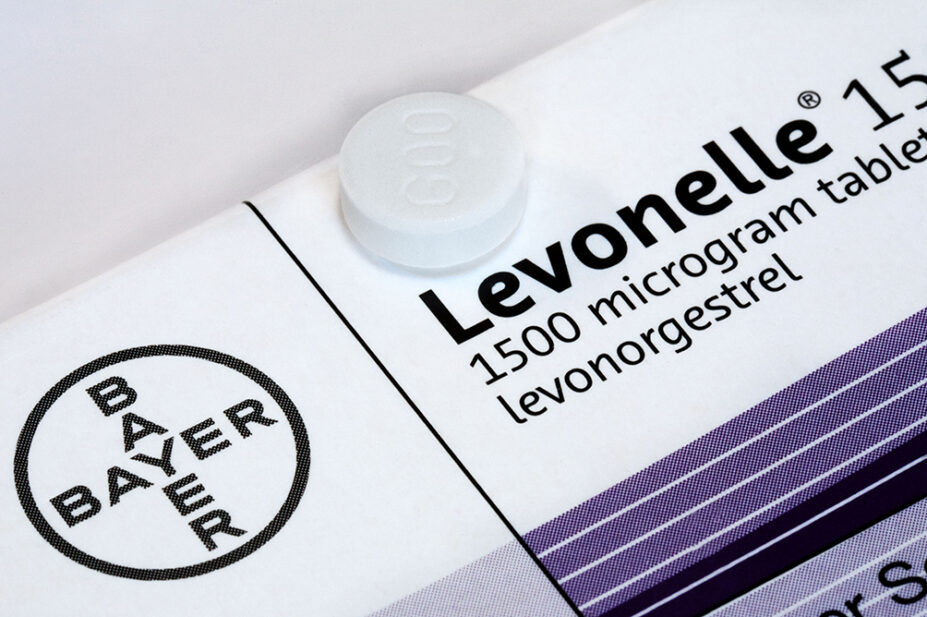
Emergency hormonal contraception is commonly available as levonorgestrel (Levonelle; Bayer), which must be taken within 3 days (72 hours) after sex, and ulipristal acetate (ellaOne; HRA Pharma), which must be taken within 5 days (120 hours) after sex.
Levonorgestrel was reclassified from a prescription-only medicine (POM) to a pharmacy (P) medicine in 2001, while ulipristal acetate was reclassified from POM to P in 2015.