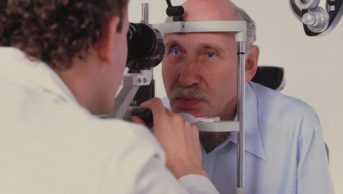
Orthoptists play an increasing role in delivering timely ophthalmic care, supported by major advancements in their legal scope of practice. Since 2020, all UK pre-registration orthoptic degree programmes have incorporated medical exemptions (MEs) into core curricula, ensuring that newly qualified registrants enter the profession with Health and Care Professions Council (HCPC) MEs annotation. Orthoptists who graduated prior to 2020 can complete an HCPC-approved postgraduate module in MEs. Consequently, orthoptists are using and selling more medicines.
Despite clear regulatory frameworks and clinical benefits, orthoptists regularly encounter friction and supply delays from hospital pharmacy teams who are unfamiliar with orthoptic exemptions. While pharmacy oversight is essential, unnecessary obstruction undermines multidisciplinary care and disrupts patient access to treatment. This letter outlines the legal framework governing orthoptic MEs, addresses common misconceptions, and seeks to enhance collaborative relationships between hospital pharmacy teams and orthoptic departments.
The use of medicines by non-medical professionals, such as orthoptists, is expanding across the NHS. Hospital pharmacists need to be aware of orthoptists’ medical exemptions to ensure patients receive timely interventions and to ensure efficient flow and service delivery.
Orthoptists specialise in the diagnosis and management of vision and eye movement disorders in both hospital (i.e. orthoptic departments within ophthalmology provision) and community settings (e.g. school vision-screening). They autonomously manage a wide range of conditions relating to vision, strabismus (i.e. eye misalignment), amblyopia (i.e. ‘lazy eye’) and binocular function (i.e. the use of the two eyes together), with patients of all ages. Orthoptists play a significant role caring for neurological patients (e.g. multiple sclerosis and stroke) and patients with eye-movement disorders (e.g. thyroid eye disease), alleviating double vision through prisms, glasses adjustments or exercises. Many orthoptists work in extended roles, while some have upskilled as advanced practitioners in ophthalmology, undertaking a more medical workload.
In 2016, amendments to the Human Medicines Regulations 20121,2 allowed annotated orthoptists to sell, supply and administer specified prescription-only medications (POMs), as well as all pharmacy and general sales list (P and GSL) medicines — including antihistamines and ocular lubricants — for ocular use within their scope of practice, without the need for a prescription (see Box).
Box: Prescription-only medications exempted for orthoptists in the form of eye drops and ointments for topical use
- Chloramphenicol;
- Fusidic acid;
- Atropine;
- Cyclopentolate;
- Tropicamide;
- Lidocaine with fluorescein;
- Oxybuprocaine;
- Proxymetacaine;
- Tetracaine.
Since 2020, orthoptic pre-registration degree programmes in the UK include MEs in their curricula, which enables newly qualified registrants to enter the orthoptic profession with annotation. Orthoptists who graduated prior to this date must complete a postgraduate HPCP-approved programme to obtain annotation. In Scotland, a country-wide approach was adopted, whereby all orthoptists hold ME annotation, resulting in common understanding of medicines privileges and, as such, Scottish practice flows without restriction. However, in England, Wales and Northern Ireland, not all orthoptists are annotated, while many more barriers are reported by annotated orthoptists.
Orthoptists are not able to qualify as independent or supplementary prescribers; therefore, all additional medications outside the exemptions list must be supplied through patient group directions (PGDs) and patient specific directions. Annotated orthoptists may sell all P and GSL eye drops and ointments.
Challenges to implementation in practice
Despite the changes to legislation, a gap remains between the statutory privileges held by annotated orthoptists and their implementation in clinical practice. Many orthoptists report difficulties using exemptions owing to limited recognition within NHS trust medicines policies and limited awareness of the legal framework in this relatively small profession. This lack of awareness has led to inappropriate requirements for patient group directions (PGDs), overly cautious governance processes and requests for additional training or policies that are not required by law. Collectively, these barriers delay patient care, increase administrative burden and risk undermining the intent of the legislation.
Common misunderstandings and frequently asked questions
Q: Why are orthoptists not included under the ‘administration’ section of Schedule 17 in the Human Medicines (Amendment) Regulations 2016?
A: This section relates specifically to parenteral administration (i.e. intravenous or injection routes) and does not apply to topical administration. There is no legal restriction on who may instil eye drops, which is why patients or parents can self-administer ocular medication. Orthoptists are appropriately listed under the supply and topical administration provisions rather than the parenteral administration section.
Q: Do orthoptists require additional local training before using exempted medicines?
A: No. Once annotated in medical exemptions on the HCPC register, orthoptists are legally entitled to sell, supply and administer the specified POMs, all P and GSL medications for ocular use, within their professional scope of practice. Local induction or governance procedures may cover operational matters, such as ordering, storage and record-keeping, but should not duplicate or restrict the statutory entitlement provided through HCPC annotation.
Q: Can orthoptists use PGDs for the same medicines?
A: The NICE ‘Patient group direction: medicines practice guideline’3 advises against using PGDs when legislation already permits supply or administration without one. Using a PGD in these circumstances would duplicate governance unnecessarily. Annotated orthoptists should instead operate under the legal exemptions framework and are lawfully entitled to sell, supply and administer the listed medicines without a PGD.
Q: Can orthoptists delegate the instillation or supply of drops to orthoptic assistants or other healthcare staff?
A: Orthoptists may delegate instillation of topical drops under direct supervision and in line with local policy, but supply of medicines cannot be delegated.
Charlotte Codina, professional lead for orthoptics and ophthalmology at the University of Sheffield
Karzan Hughes, lecturer in orthoptics at the University of Sheffield
Susan Matthews, head of pharmacy at the University of Sheffield
Maria Allinson, head of pharmacy practice at the University of Sheffield
- 1.The Human Medicines Regulations 2012. UK Parliament . https://www.legislation.gov.uk/uksi/2012/1916/contents
- 2.The Human Medicines (Amendment) Regulations 2016, Schedule 17. UK Parliament . https://www.legislation.gov.uk/uksi/2012/1916/schedule/17
- 3.Patient group directions – medicines practice guideline. National Institute for Health and Care Excellence. 2017. https://www.nice.org.uk/guidance/mpg2