Maureen McLean / Alamy Stock Photo
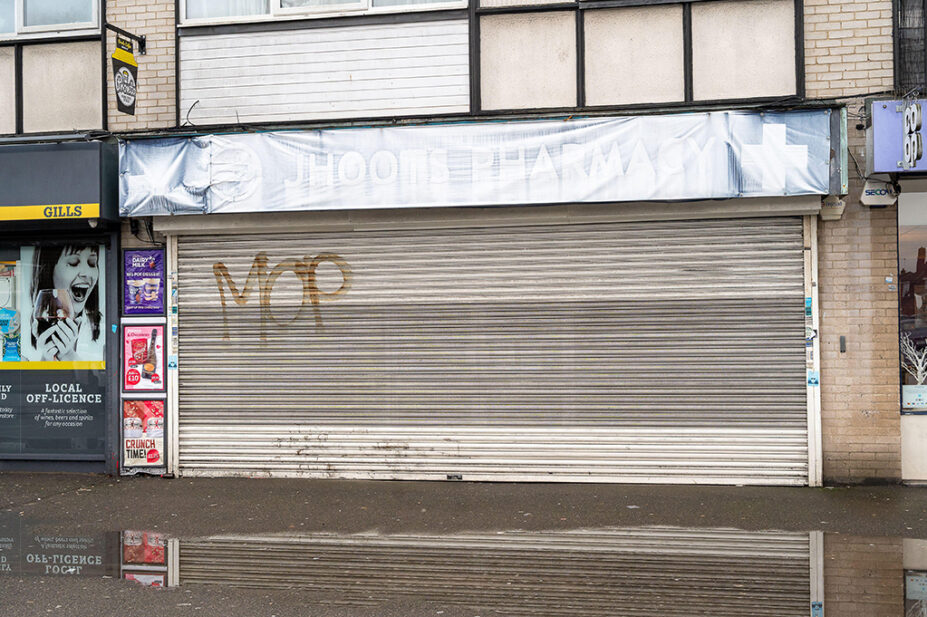
Members of a Community Pharmacy England (CPE) committee have expressed concern over possible changes to pharmacy regulation following the high-profile Jhoots pharmacy closures in 2025, meeting minutes have revealed.
One week before the committee meeting, which was held on 19 November 2025, prime minister Keir Starmer had told Parliament that ministers were “working speedily to consider how to strengthen regulation” in NHS-contracted pharmacies.
This followed long-running concerns about Jhoots pharmacies, including store closures and failure to pay staff wages, culminating in the acquisition of the group by Allied Pharmacies.
According to the minutes of CPE’s draft legislation and regulatory subcommittee, the regulatory changes under consideration by the Department of Health and Social Care (DHSC) include:
- Dealing with the company rather than the pharmacy;
- Considering all companies one or more owners have together, going behind the corporate veil to consider equitable ownership of a company;
- Introducing powers to address specific issues, such as stopping nominations to pharmacies closed for a long time;
- Providing more powers for counter fraud investigations.
Also included in the meeting minutes was a letter from an unidentified government minister, which said: “My officials are carrying out a rapid analysis of the regulations governing pharmacies. I will consider any changes required as identified in this work as soon as possible, recognising some of the changes may be to primary legislation and would require time to be properly scrutinised by Parliament.”
The minutes revealed that there had been “preliminary discussions” between CPE and the government over the changes, and they reported that CPE committee members had said during the meeting that current regulations “have adequate enforcement provisions if used to their full”.
“Until it is clear that changes to the regulations are needed and would address the issues, they should not be made,” they added.
“The issue is primarily caused by underfunding, and proper funding of community pharmacy is the way to respond to the issues. Additional powers on a national basis are not appropriate or necessary and could easily be misused by a commissioner.”
The minutes noted that the conversion was “ongoing” and that the initial views should be presented to the DHSC and NHS England.
“Sometimes ministers change their view on legislation changes when the risks associated with such changes are explained,” they added.
In a comment to The Pharmaceutical Journal on 21 May 2026, a spokesperson for the DHSC said: “Where pharmacies fall below expected standards, the General Pharmaceutical Council (GPhC) and integrated care boards will take action.
“The [DHSC] is continuing to engage with the GPhC, and other partners, to explore how regulatory and commissioning frameworks could be strengthened.”