David Gee 4 / Alamy Stock Images
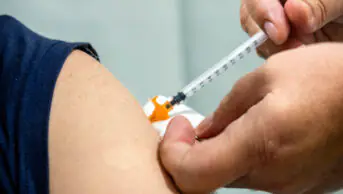
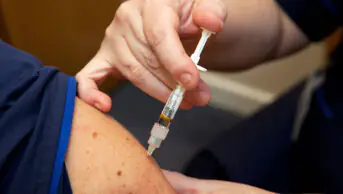
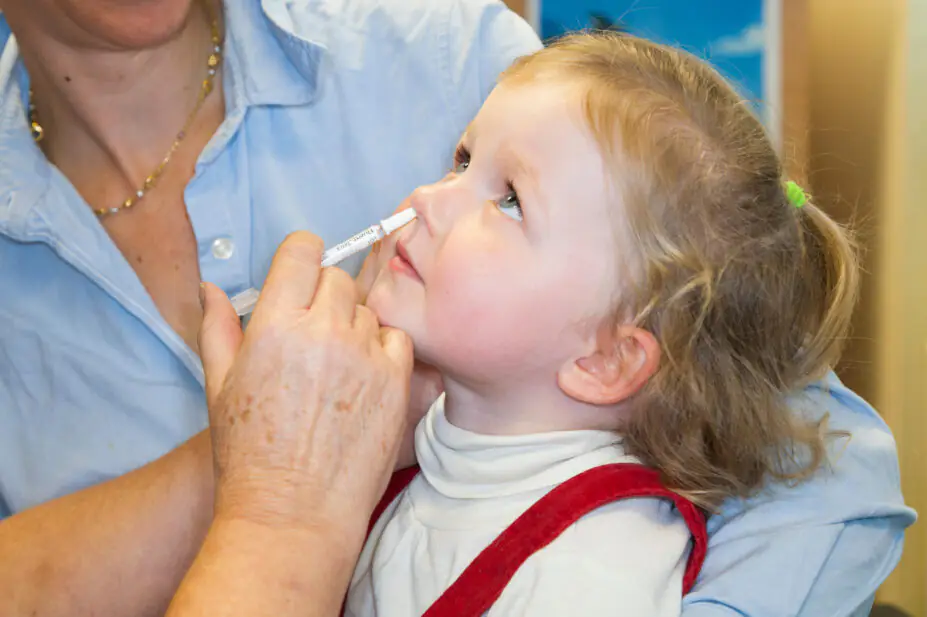
The childhood influenza vaccine can prevent between 9 and 14 cases of flu per 100 children vaccinated, a study published in JAMA Pediatrics has suggested.
Researchers at Harvard Medical School looked at insurance claims for children aged between two years and five years, who were born in the summer and autumn months. Claims were assessed over five flu seasons between 2016 and 2023, omitting the 2020/2021 and 2021/2022 seasons owing to confounding factors from COVID-19.
“Across these five seasons, we see that for every hundred kids who are randomly vaccinated because of when their birthday falls, somewhere between 9 and 14 of them avoid a case of the flu that they otherwise would have caught,” said study author Anupam Jena, a professor of medicine at Massachusetts General Hospital.
For other illnesses that do not have vaccines, such as the common cold or gastrointestinal viruses, there was no difference in the infection rates of the two groups.
Children in both the UK and United States are eligible for the children’s flu vaccine from the age of two years through to school age.
The vaccination rates for children with autumn birthdays were between 8.6 and 12.5 percentage points higher than those with summer birthdays, while influenza diagnosis rates were 1.0 to 1.4 percentage points lower.
The study was published on 1 June 2026, the same day as the Company Chemists’ Association (CCA) gave evidence to the House of Lords Childhood Vaccinations Committee on how community pharmacy could play a greater role in delivering childhood vaccinations.
At the session, Nick Thayer, head of policy at the CCA, described how pharmacies had administered almost 5 million flu vaccinations and how they are well placed to provide vaccines, particularly in more deprived communities.
He added that he was “confident that pharmacies have the capacity and capability” to deliver childhood vaccines, but that they would need more time to prepare compared with delivering adult vaccination, owing to “different considerations”.
Thayer also referenced plans for pharmacies to deliver catch-up HPV vaccines.
“During the pandemic, there was a group of children who weren’t vaccinated, so they now need to be vaccinated, and there’s a ticking clock on that. It’s now June. We don’t know what’s going to happen with that. We don’t know when it’s going to be, who’s going to [commission] it, how it’s going to work. I think a sense of urgency is needed,” he said.
In response to a question on how long pharmacies needed to prepare to deliver the service, Thayer said: “I think it’s very difficult to say, because very much depends on how it’s going to be commissioned.
“The challenge is with this stop-start nature of commissioning, is that it’s very difficult to really get settled. It’s difficult for the public perception of us to change. It’s difficult for patient pathways to be embedded. It’s difficult for that message to spread.
Giving the example of the adult flu vaccination service, he said: “It started off quite small, around a 200,000 vaccines. It’s now near 5 million, and it grew year on year on year. It takes time for these things to bed in. You’re asking private businesses to commit to a whole new thing; they need to invest in it, they need to prepare in that they need to do that instead of other things, and that requires … certainty that all that work will still be useful next year and the year after.”