Paula Solloway/Alamy.com
Community pharmacies in England will take on an expanded role in cancer prevention and early detection under the government’s national cancer plan.
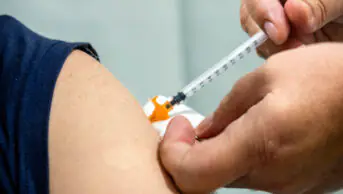
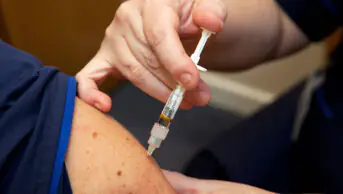
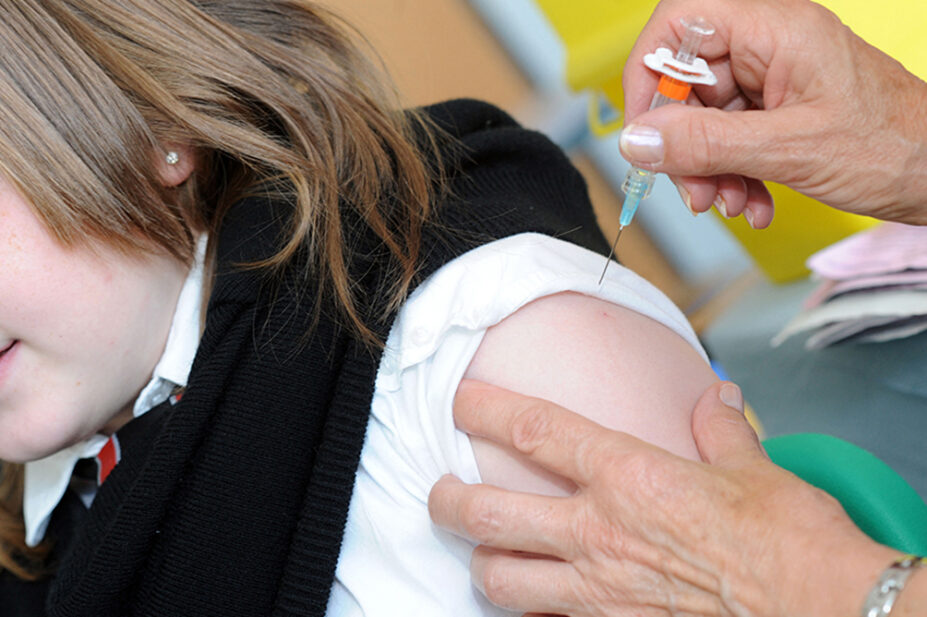
In the ‘National cancer plan for England‘, published on 4 February 2026, the government said pharmacies will offer ‘catch-up’ human papillomavirus vaccinations from 2026 for young people who missed doses at school.
Pharmacies will also participate in early cancer detection initiatives, the plan added. A pilot heartburn health checking service will start in spring 2026 in a small number of pharmacies, which will use a non-endoscopic capsule sponge to identify early signs of oesophageal cancer and Barrett’s oesophagus.
According to the plan, pharmacies will be able to identify at-risk patients through buying patterns — such as regular buyers of heartburn medications — and refer patients meeting certain criteria directly to secondary care.
Commenting on the plan, Nick Thayer, head of policy at the Company Chemists’ Association, said: “Pharmacies are already trusted to deliver many NHS vaccines — including the flu, COVID[-19], RSV [respiratory syncytial virus] and MMR [measles, mumps and rubella] vaccines.
“Commissioning pharmacies to deliver more NHS vaccines makes sense for patients and the NHS, and would release GP capacity and drive vaccine uptake.
“Pharmacies are already treating patients experiencing heartburn symptoms, so we welcome this pilot. Any services of this kind will need to be appropriately funded as part of a wider package to close the funding gap,” he added.
Beyond community settings, the plan also points to pharmacy teams’ involvement in hospital cancer services. It highlighted a Cancer Alliance-funded innovation pilot in Humber and North Yorkshire, which involved nursing and pharmacy teams at York and Scarborough Teaching Hospitals NHS Foundation Trust.
Under the innovation pilot, teams introduced home-based delivery of subcutaneous bortezomib, with patients given the option to self-administer treatment at home following clinical guidance and support.
The results of the pilot revealed that patients saved an average of 2.5 hours per visit and reduced travel by around 17 miles. The approach “maintained safe delivery of treatment” and is being explored with other chemotherapy drugs, the plan said.
The national cancer plan also sets out several targets for improving cancer outcomes, including faster diagnosis, meeting waiting time standards and increasing five-year survival rates.