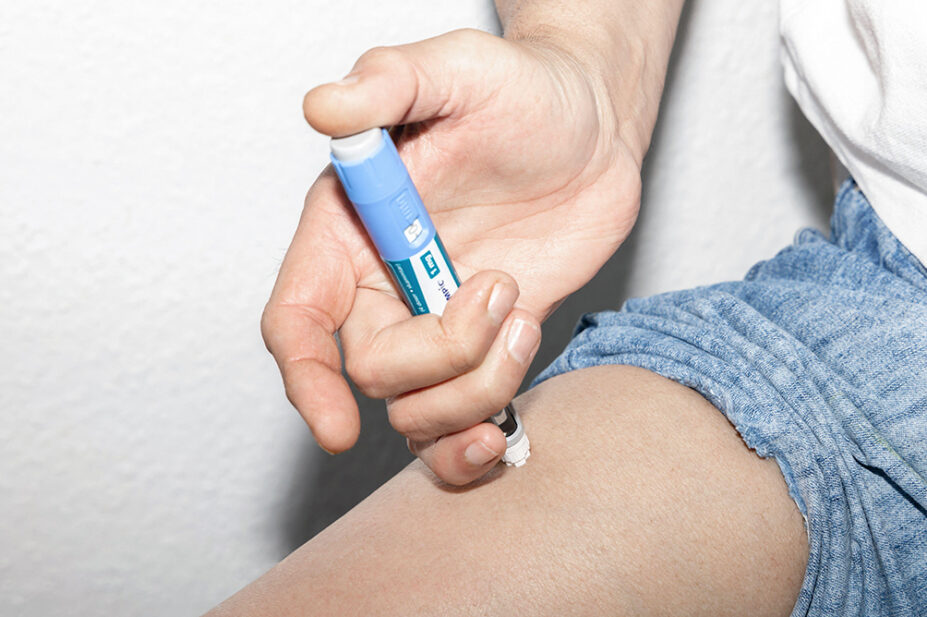
Natalia Varlei/ Alamy Stock Photo
Pharmacies and digital providers that are “appropriately regulated” should have secure access to patient records to help improve the rollout of NHS weight-loss drugs, a cross-party committee report has recommended.
In a report published on 23 October 2026, the Health and Social Care Committee noted that providers are currently reliant on patients to confirm that they meet prescribing criteria, which creates a “continued burden on GPs who are asked to confirm patient details or update records”.
The committee called on the government to set out how the planned single patient record will support this, find a temporary workaround in the meantime and publish a clear timetable.
A previous investigation by the Health Services Safety Investigations Body, published in June 2026, found that many organisations use their NHS access to check relevant information on a patient’s GP record when providing non-NHS services, which NHS England staff said they should keep doing even though the practice was “not officially authorised”.
Around 2.4 million people receive glucagon-like peptide-1 (GLP-1) prescriptions each month, according to figures shared by IQVIA in July 2025. But less than 220,000 of those patients received them on the NHS, as part of a phased roll out of Mounjaro (tirzepatide; Eli Lilly) to people with severe obesity and multiple comorbidities over three years.
The Health and Social Care Committee report said that this discrepancy has created a “two-tier system” that is determined by ability to pay, which the All-Party Parliamentary Group on Obesity said “raises profound questions about health inequality” in a written evidence submission.
The results of an analysis by the Health Foundation, published in February 2026, suggested that those accessing the drugs on the NHS represents just 6% of those who would be clinically eligible.
In addition, the report called on the government to “urgently reassess the pace of rollout” in the NHS and make “better use of the capacity of digital providers”.
In written evidence submitted ahead of the report, Boots UK suggested that commissioning “digital delivery models” with prescribing through “trusted online pharmacies” would be a “cost-effective” alternative that could “streamline patient pathways” and reduce the need for repeated GP involvement.
The committee also addressed the illegal trade in GLP-1s, noting that limited NHS supply had driven many patients to purchase unlicensed products online, often after seeing them advertised on social media.
In September 2026, Zubir Ahmed, Labour MP for Glasgow South West, suggested that the counterfeit GLP-1 market was ‘inevitable’ without greater access to the drugs on the NHS and could be fixed by increasing NHS prescribing of weight-loss medication.
Commenting on the report, Henry Gregg, chief executive of the National Pharmacy Association, said: “We agree with MPs that the NHS rollout remains extremely slow, with many people who could benefit from treatment being unable to access it.
“Community pharmacy is ready to support a wider rollout, which will help eligible patients access treatment safely and help mitigate the impact of obesity on the NHS.
“Pharmacies are well placed to deliver this service and already treat the vast majority of patients accessing this treatment in the UK.”
Layla Moran, chair of the Health and Social Care Committee, said that the personal stories heard during the inquiry “should be a wake-up call to the health service, which has misunderstood patients’ needs for too long”.
In evidence given to the Health and Social Care Committee inquiry, Claire Nevinson, superintendent pharmacist at Boots, called for better public and patient information about safe weight management services.
Meanwhile, Kieran Seyan, chief medical officer at Pharmacy2U, warned that as GLP-1 patents begin to expire, illicit manufacturing could scale up. He also questioned whether regulators were prepared.
The Health and Social Care Committee recommended annual reviews of the Medicines and Healthcare products Regulatory Agency’s capacity to tackle illegal online advertising of GLP-1s, a joined-up cross-agency action plan with ministerial oversight and a public awareness campaign.
The report also argued that obesity should be consistently defined and treated as a “lifelong, relapsing and remitting condition” requiring ongoing management, in the same way as type 2 diabetes mellitus.