Shutterstock.com
Participants of a phase III trial of investigational weight-loss drug retatrutide showed an average weight loss of almost 30% and “substantial” relief from knee osteoarthritis, manufacturer Eli Lilly and Company has announced.
In a statement published on 11 December 2025, Eli Lilly reported results from its TRIUMPH-4 trial, which involved 445 participants aged over 18 years with a BMI of ≥27.0kg/m² who met American College of Rheumatology Criteria for knee osteoarthritis.
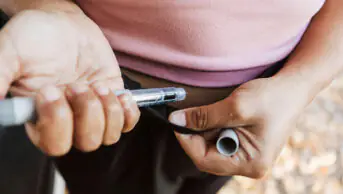
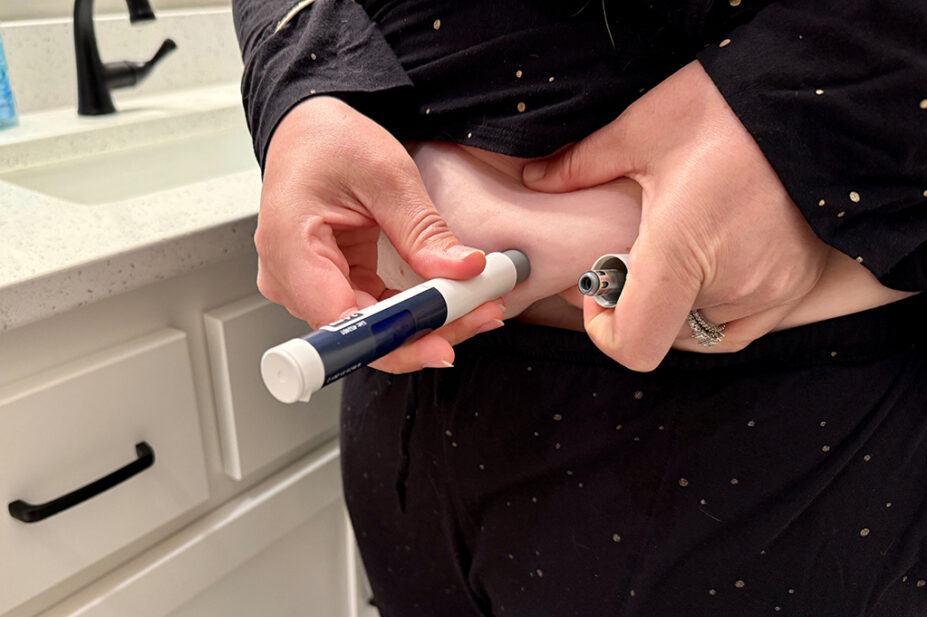
Participants were randomised 1:1:1 to receive a once-weekly subcutaneous injection of either retatrutide 9mg or 12mg, or placebo.
Results showed that participants taking retatrutide 12mg lost an average of 28.7% of their body weight at 68 weeks, while those taking retatrutide 9mg lost 26.4%.
Patients taking a placebo lost 2.1% of their body weight during the same period.
Other results showed that of those taking the 12mg dose, 58.6% of participants achieved ≥25% weight loss, 39.4% achieved ≥30% weight loss and 23.7% achieved ≥35% weight loss.
In those taking the 9mg, 47.7% of participants achieved ≥25% weight loss, 30.5% achieved ≥30% weight loss and 18.2% achieved ≥35% weight loss.
Retatrutide is classed as a triple agonist as it mimics the actions of glucagon-like peptide-1, glucose-dependent insulinotropic polypeptide and glucagon — hormones that regulate metabolism and appetite.
The drug was also found to reduce pain from knee osteoarthritis by an average of 4.5 points on the Western Ontario and McMaster Universities Osteoarthritis Index — a patient-reported questionnaire for assessing pain, stiffness and physical function in osteoarthritis, measured on a scale of 1 to 10, with higher values indicating worse symptoms.
For patients taking the placebo, pain scores dropped by an average of 2.4 points.
Lilly reported that discontinuation rates owing to adverse events were 12.2% and 18.2% with retatrutide 9mg and 12mg, respectively, compared with 4.0% with placebo.
Adverse events included nausea, diarrhoea, constipation, vomiting, decreased appetite and dysesthesia.
The drug was also found to reduce cardiovascular risk markers, including non-high-density lipoprotein cholesterol, triglycerides and high-sensitivity C-reactive protein, and at the highest dose lowered systolic blood pressure by 14.0mmHg.
The TRIUMPH programme began in 2023 and is running across four global registrational trials, with more than 5,800 participants.
Lilly said that additional results from the programme, including results on a maintenance dose of 4mg in addition to the 9mg and 12mg doses, are expected in 2026.
There are seven additional phase III trials evaluating retatrutide in the treatment of obesity and type 2 diabetes mellitus, which are expected to complete in 2026.
Commenting on the results, Amira Guirguis, chief scientist at the Royal Pharmaceutical Society, said: “Retatrutide shows the potential for exceptional weight-loss outcomes that, if maintained, could meaningfully improve mobility, obesity-related morbidity and overall quality of life.
“Benefits were also seen in knee osteoarthritis symptoms, though the placebo response was notably high, and in key cardiometabolic markers, including cholesterol, blood pressure and inflammation.
However, she cautioned: “The speed and scale of weight loss raise important questions about metabolic consequences, including the theoretical risk of muscle loss, highlighting the need for nutritional support, resistance exercise and close monitoring.
“Gastrointestinal side effects and the emerging dysesthesia signal show the importance of cautious titration and ongoing safety evaluation, particularly in light of the relatively high discontinuation rates.
“Pharmacists will be central to supporting safe titration, early detection of adverse effects and personalised patient guidance as evidence continues to develop,” Guirguis added.