

UK Parliament
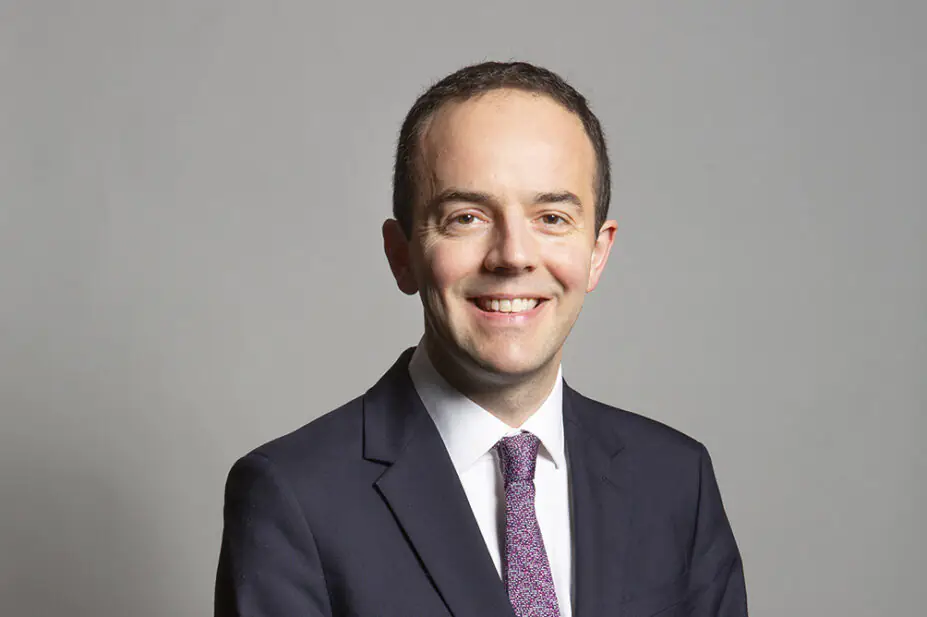
James Murray, Labour MP for Ealing North, has been appointed as health secretary following the resignation of Wes Streeting.
In a post published on his X account on 14 May 2026 — the same day that Streeting resigned — Murray said he was “deeply honoured” to have been appointed by prime minister Keir Starmer to the role.
He previously held roles as chief secretary to the Treasury and exchequer secretary to the Treasury.
“Can’t wait to get started and continue Wes Streeting’s brilliant work on such a critical mission for our country,” he added.
Streeting resigned on 14 May 2026, “having lost confidence” in Starmer’s leadership.
In response, pharmacy bodies warned of “more uncertainty” facing the sector and have asked the new health secretary to deliver the support pharmacies “urgently need”.
The appointment of Murray follows that of Preet Kaur Gill, Labour MP for Birmingham Edgbaston, as health minister on 12 May 2026.
A spokesperson for the Company Chemists’ Association said: “We congratulate James Murray on his appointment as health and social care secretary and Preet Kaur Gill as parliamentary under-secretary. Both appointments come at a critical time for the NHS.
“We hope they recognise the vital role community pharmacy plays in primary care.
“With pharmacies delivering more care than ever before and operating at the heart of local communities, we call upon the new health secretary to ensure sustained investment in the sector and work closely to unlock its full potential.
“We urge the new health secretary to prioritise completion of community pharmacy contractual negotiations,” they added.
In a statement published on 15 May 2026, the Pharmacists’ Defence Association (PDA) said: “The PDA welcomes new health secretary James Murray, noting he is now the ninth health secretary in the last eight years and that if there is a change of prime minister it is likely cabinet positions will be reviewed again at that time.
“The NHS is one of each country’s most important public institutions and the employer of thousands of pharmacists. Strong leadership at the top has a direct bearing on public confidence, workforce morale and the quality-of-care people receive. When leadership changes too frequently, the effects can be felt far beyond government and management structures, reaching frontline staff, local services and the communities that depend on them most.
“PDA members want to see a stable and well-supported NHS leadership environment that allows pharmacists to deliver, patients to feel confident in the services they rely on and long-term improvements to be delivered effectively.”
In March 2026, Community Pharmacy England announced that the ‘Community pharmacy contractual framework’ for 2026/2027 was delayed and negotiations were “ongoing”.
1 comment
You must be logged in to post a comment.



It is also worth mentioning the impact of the restructuring of ICBs and the impact on pharmacy services. Many of the Medicines Optimisation in Care homes sat in the CCG/ ICB structure, and with rounds of restructuring and redundancies this service is being eroded.
These small, dedicated and highly experienced teams have been instrumental in implementing Enchanced Health in Care Homes DES. Not only have Care home providers been supported to better integrate with healthcare, people living in care homes receive safer and effective treatment, reducing harm and serious adverse events and unplanned hospital admission.
A lack of awareness that these services are disappearing is a sad reflection of sweeping change and small voices being left unheard.