Reshetnikov_art/Shutterstock.com
The National Institute for Health and Care Excellence (NICE) has recommended the first treatment that “effectively treats” the skin condition vitiligo for use on the NHS in England.
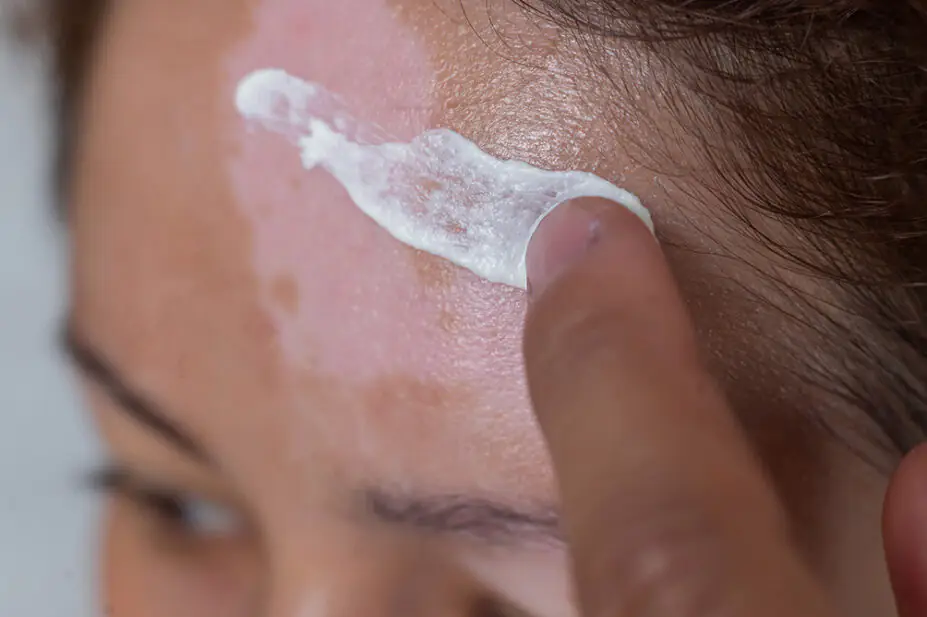
In final draft guidance, published on 24 February 2026, NICE approved ruxolitinib cream (Opzelura; Incyte), applied twice daily, for patients with vitiligo who are aged 12 years and over.
The treatment, which could benefit more than 80,000 adults and teenagers in England, is recommended if other first-line treatment options do not work, including topical corticosteroids and light therapy, the guidance said.
Vitiligo is a long-term skin condition in which the immune system mistakenly attacks melanocytes — the cells that give skin its colour — and causes pale pink or white patches to develop. Ruxolitinib works by inhibiting Janus kinase (JAK) enzymes, which blocks the immune system’s attack on melanocytes.
NICE said clinical trials showed that people who used the cream were four times more likely to have the skin on their face restored to its natural colour compared with placebo and more than six times more likely to report their vitiligo was less or no longer noticeable.
The cream — a JAK inhibitor — is the first licensed treatment for vitiligo to be approved for use on the NHS.
Patient experts describe the condition as “psychologically devastating”, with effects on self-esteem, relationships and careers.
Helen Knight, director of medicines evaluation at NICE, commented: “Vitiligo that affects the face can be a devastating disease and have a profound impact on a person’s quality of life. This will be the first licensed treatment for the condition to be made available in the NHS, and having an effective drug will be welcomed by the thousands of people living with this condition.”
Kalindi Rajani, a pharmacist in rheumatology and dermatology at Great Ormond Street Hospital , London, said: “This is such an important moment for our adolescent patients with vitiligo. As a pharmacist, it is incredibly rewarding to finally have a licensed, targeted JAK inhibitor that addresses the root of the immune response for those aged 12 [years] and over, especially since we know the profound psychological impact this condition has during those formative teenage years.
“This isn’t just about repigmentation; it’s about the NHS validating the lived experience of our patients and providing a clinical pathway that actually matches the science. Our hope is that one day this can be made available for children of all ages too.”
Arlene McGuire, lead dermatology pharmacist at Guy’s and St Thomas’ NHS Foundation Trust, said: “On behalf of the British Dermatology Pharmacist Group, we welcome today’s NICE approval of ruxolitinib cream for non‑segmental vitiligo, a long‑awaited milestone for patients.
“As a specialist dermatology pharmacist, and having recently engaged with patients through a vitiligo educational webinar, I have seen how deeply individuals value progress in this area and how strong the appetite is for evidence‑based therapies. This approval is meaningful recognition of the lived experiences of people with vitiligo and the need for accessible, effective treatment options.”