Johner Images/ Alamy Stock Photo
The National Institute for Health and Care Excellence (NICE) has recommended a once-weekly insulin injection for people with type 2 diabetes mellitus (T2DM) for use on the NHS in England and Wales.
In final draft guidance published on 20 August 2026, NICE recommended insulin efsitora alfa (Onswik; Eli Lilly), which could especially benefit frailer patients or those with sight loss, limited hand movement or learning disabilities, who may need help injecting their insulin or struggle to stick to their treatment routine.
The recommendation of the once-weekly insulin injection is subject to the treatment being licensed by the Medicines and Healthcare products Regulatory Agency (MHRA). A NICE spokesperson confirmed to The Pharmaceutical Journal on 19 August 2026 that it expects the drug to be licensed by the MHRA “in the coming months”.
In a statement published alongside the final draft guidance, NICE noted that clinical trial evidence for insulin efsitora alfa showed that the injection controlled blood glucose levels, as well as insulin degludec and insulin glargine, despite only needing to be injected once a week. It added that the drug could cut the number of injections each patient needs by 85%.
“Hundreds of thousands of people with T2DM” could swap their daily insulin injections for a weekly jab, the statement said, adding that in 2023/2024, there were 4.6 million people in the UK with diagnosed diabetes mellitus, of which around 90% had T2DM.
However, Philip Newland-Jones, consultant pharmacist in diabetes and endocrinology at the University of Southampton, said: “The suggestion that hundreds of thousands of patients with T2DM could swap to once-weekly insulin is not quite in keeping with current clinical practice, where it is far more likely that there will be a small subset of patients that may benefit initially.
“Because of the education that clinicians, patients and the wider healthcare system will require when managing patients on once-weekly concentrated insulin, there is likely to be a cautious rollout, given the number of safety and educational aspects that need addressing, such as the use for those with frailty, variable oral intake, frequent hospitalisation or acute kidney injuries, with some risk mitigation required to avoid prescribing/dispensing errors.
“Pharmacists in all clinical settings will be essential to support the safe and thoughtful rollout of once-weekly insulin into the NHS, when and if the MHRA grant a licence to prescribe in the UK.”
The final draft guidance also said that healthcare professionals and patients should discuss the benefits and disadvantages of suitable options, as well as choose the least expensive treatment that meets the person’s needs, which takes into account of dosage, administration costs and price.
It added that “the biggest cost saving from using insulin efsitora alfa comes from people needing less support to take their insulin”, which was based on estimates that a patient would need one hour with a specialist district nurse for diabetes each time they needed help taking insulin — although NICE noted that this could vary by individual.
Hannah Syed, diabetes specialist pharmacist at East Sussex Healthcare NHS Trust and co-chair of the UK Clinical Pharmacy Association’s diabetes and endocrinology committee, said: “Once-weekly insulin efsitora is an important development that could reduce treatment burden for many people with T2DM, particularly those who require support with insulin administration. Appropriate patient selection, education and clear implementation guidance will be key to its successful adoption.”
Newland-Jones added: “The introduction, initiation and titration of once-weekly insulin represents a significant change in diabetes care for specialists and other insulin prescribers. National guidance, alongside practical multidisciplinary consensus recommendations, will be needed to support the safe, effective and consistent use of these therapies across clinical settings.”
It was “unusual” to have a NICE technology appraisal released prior to MHRA marketing authorisation in the UK, he continued.
A NICE spokesperson confirmed to The Pharmaceutical Journal on 19 August 2026: “Further updates around our final guidance and availability will follow so the patients should await further news and not ask their GP or healthcare practitioner for it just yet.”
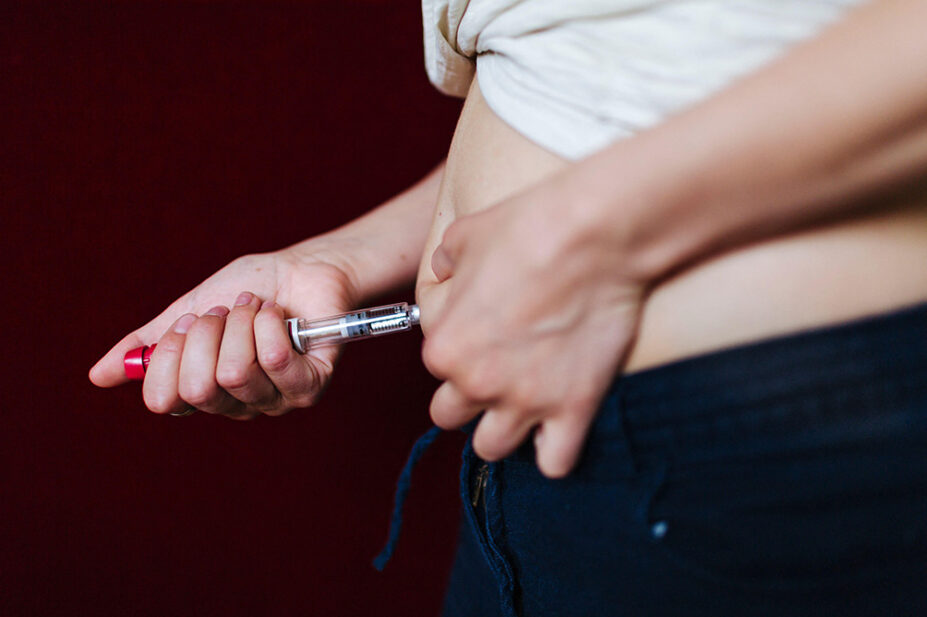
A spokesperson for Eli Lilly confirmed to The Pharmaceutical Journal on 19 August 2026 that it has applied to the MHRA for a marketing authorisation for the drug, which is taken as a once-weekly subcutaneous injection using a pre-filled pen.
Helen Knight, director of medicines evaluation at NICE, commented: “Moving from daily injections to a single, weekly dose could make a real difference to the day-to-day lives of people with T2DM, especially those who rely on a carer, family member or healthcare professional to help them inject.
“This recommendation is the result of rigorous, evidence-based decision-making, striking a balance between the benefits to patients and the best use of limited NHS funding.”
Frankie Swords, national medical director at NHS England, said: “Managing diabetes never takes a day off, and for so many living with T2DM that means remembering and planning around an insulin injection every single day. Moving that to one injection a week could make a huge difference, giving people more freedom in their daily lives while giving valuable time back to carers and NHS teams.
“These vital treatments support people to control their diabetes every day, helping them to feel better in the short-term and avoid serious complications in the long-term — weekly insulin could in future become a valuable new option for many and we await the MHRA’s decision to understand whether it could be rolled out on the NHS.”