Science Photo Library/ Alamy Stock Photo
Steroids, finasteride and breast cancer drug tamoxifen were among more than 130,000 doses of unauthorised medicines seized by the Medicines and Healthcare products Regulatory Agency (MHRA), it has announced.
The MHRA said suspicion was first raised in 2015, when UK Anti-Doping — an organisation that ensures sports bodies in the UK are compliant with the World Anti-Doping Code — identified websites suspected of selling performance-enhancing steroids and other illegal medicines.
Investigation of these websites led MHRA investigators to a flat in Bolton, Greater Manchester, from which unauthorised medicines were being stored, packaged and distributed by mail order.
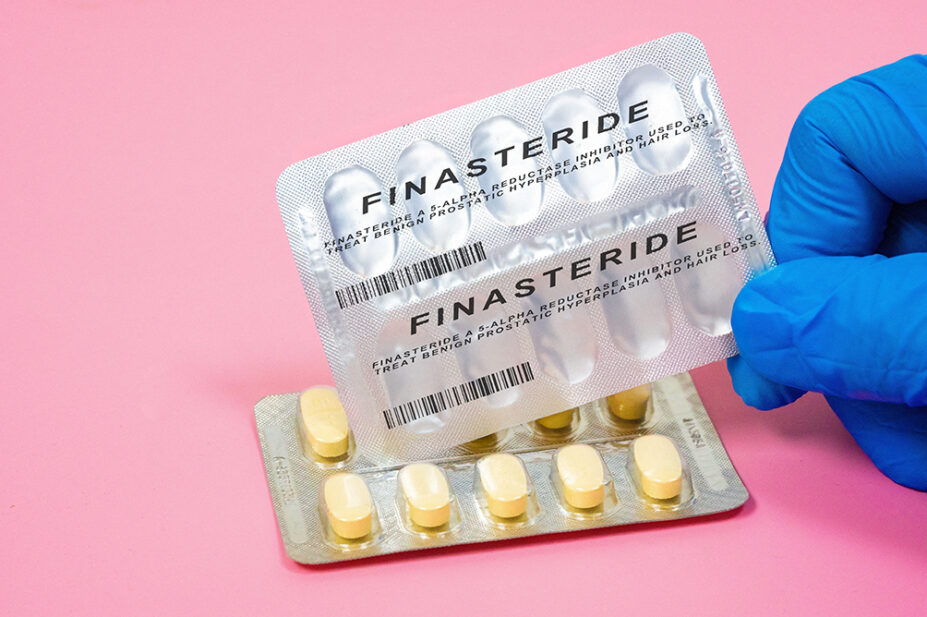
The MHRA said that more than 130,000 doses of steroids and unauthorised medicines were seized as a result of enforcement action, which include tamoxifen, finasteride, a drug that treats benign prostate enlargement and male pattern hair loss, as well as modafinil, a treatment for narcolepsy.
It reported that seven men were later charged with offences, which include conspiracy to supply class C drugs, conspiracy to supply unauthorised medicinal products and money laundering.
On 29 April 2026, the MHRA said: “Following a detailed investigation, several individuals were charged with offences including conspiracy to supply controlled drugs, supplying unauthorised medicines and money laundering to the value of over £1.8m.”
The seven men, including a health and safety advisor and a care worker, received prison sentences, three of which were suspended on condition that the men comply with electronically monitored curfews and unpaid work.
Tim Duffield, head of intelligence at the MHRA, commented: “This was a well-organised operation that put people at real risk. Medicines bought outside regulated channels can be unsafe, ineffective or fake.
“Our investigators worked hard to break up this criminal network and bring those responsible to justice. These convictions are just part of the MHRA’s ongoing work to tackle the illegal trade in medicines and protect public health.”
As part of its FakeMeds campaign, launched in 2016, the MHRA provides advice for the public on how to safely purchase medical products online.
Mario Theophanous, head of intelligence and investigations at UK Anti-Doping, said: “Our intelligence officers work in partnership with regulators and law enforcement, to identify and dismantle the criminal networks that make these substances available. That collaboration is a vital part of how we keep prohibited substances out of sport, and away from elite athletes and young people.”
The ‘MHRA results and forecast’ report, published on 28 April 2026, said: “[In 2025/2026], we removed nearly 28 million unauthorised doses of medicines from circulation and shut down the UK’s first known illegal factory producing unlicensed weight-loss injections“.
The results of a survey, published by the National Pharmacy Association (NPA) in April 2026, revealed that one in ten online pharmacies have seen their websites and social media presence cloned by illegal medicine sellers in the past year.