Michael Heim/ Alamy Stock Photo
A UK study is set to explore whether semaglutide (Wegovy; Novo Nordisk) can reduce alcohol cravings, as well as help people to lose weight.
In a press release issued on 19 August 2026, the University of Plymouth — one of the institutions leading the study — said: “It is hoped the drug could change the way alcohol-related liver disease and obesity are treated, helping to guide future care in the UK and beyond.”
The four-year ‘Controlling Unhealthy Relationships with Both alcohol and obesity’ (CURB) trial, which starts in September 2026, will be open to people with alcohol dependence, obesity and chronic liver disease, the press release said. It added that the trial will recruit 268 people from across Great Britain.
Semaglutide, which is a glucagon-like peptide-1 receptor agonist, was recommended by the National Institute for Health and Care Excellence (NICE) in September 2022 for overweight and obese adults in the UK. The results of research published in Nature Medicine in January 2025 revealed that GLP-1s were associated with a reduced risk of several substance use disorders, including alcohol.
The CURB trial is funded by grants from the UK Research and Innovation’s Medical Research Council and the National Institute for Health and Care Research (NIHR), as well as co-led by the University of Plymouth, University Hospitals Plymouth NHS Trust and the NIHR Biomedical Research Centre in Nottingham.
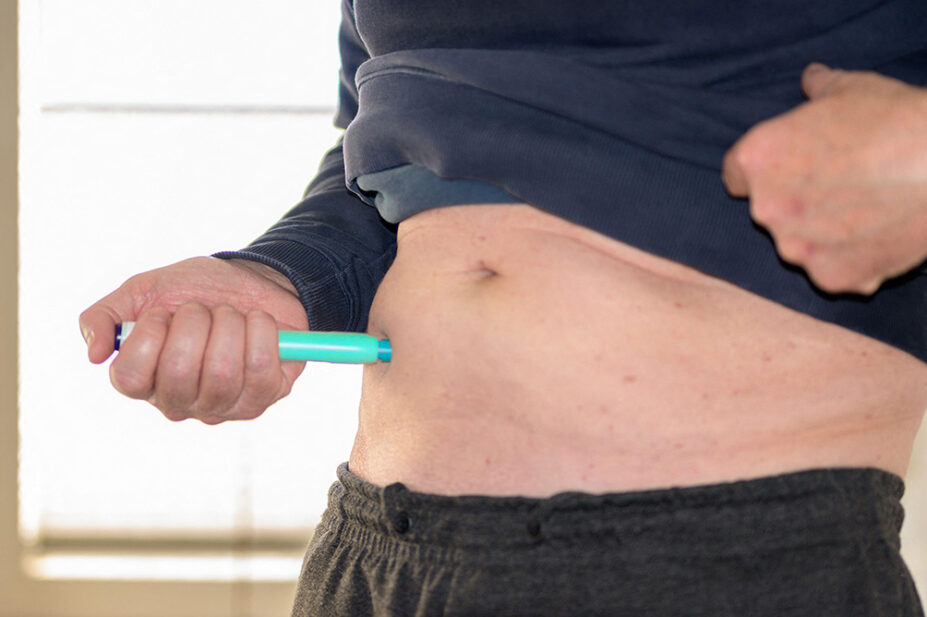
Researchers will randomly provide participants with either semaglutide or a placebo injection, which they will self-administer weekly for nine months. Participants will then report on their alcohol use, weight, quality of life and mental wellbeing, as well as provide blood samples to measure their liver health.
Details published by the NIHR highlights that researchers will ensure “equality, diversity and inclusion in this trial by targeting people from underserved communities and making it as easy as possible to take part”.
Chief investigator of the study Ashwin Dhanda, professor of liver medicine at the University of Plymouth, said: “CURB will be the biggest trial investigating the use of GLP-1s for the treatment of alcohol use disorder in people with liver disease and obesity. It is an efficacy trial, which means it will generate definitive data that will determine whether it works in this patient population.
“If it does, it is likely to change national guidelines and policy. It may lead to future trials to test it in other patients groups (e.g. those with alcohol use disorder and liver disease without obesity).
“Importantly, the trial will also find out whether it is safe to use in this patient population and what are the common side effects, which may be different to patients using it for diabetes or obesity.”
Ruth Mak, advanced specialist pharmacist in clinical trials at University Hospitals Plymouth NHS Trust, commented: “Research data from the CURB trial will potentially inform evidence-based practice by providing the empirical foundation needed to make safe and effective decisions on management to address this unmet clinical need in the treatment of alcohol use disorder in people with chronic liver disease and obesity.
“As we have been included at the early phase of trial design, we were able to advise on pharmacy related activities and associated costs, to help with budgeting to set up the trial in multiple NHS trusts, which is key to covering a wider demographic participant population, making the results more representable.”
Mark Cenic-Leyshon, senior research and policy manager at Alcohol Change UK, said: “This trial is potentially very helpful. Alcohol can have serious consequences for our health, including liver disease, and we need better ways to reduce that harm.”
Ariella Williams, director of nursing and safeguarding for the charity WithYou, said: “We will follow this trial with interest and look forward to reading the findings. Many people in this country struggle with issues relating to alcohol.
“Each year, we work with more than 100,000 people in over 80 locations across England and Scotland, providing a free and confidential service without judgement to adults and young people experiencing issues with drugs, alcohol or mental health.”
You may also be interested in

International Pharmaceutical Federation calls for bigger role for pharmacists in prevention of substance use disorders

Prescribing of dependency forming medicines ‘moving in the right direction’ but challenges remain