Stanislav Judas/Shutterstock.com
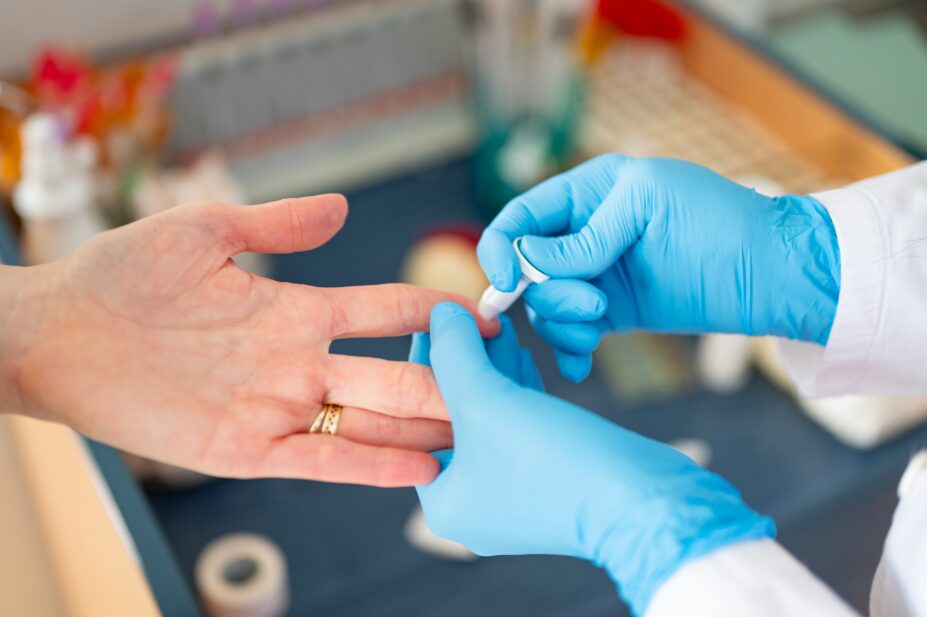
Community pharmacies in Wales will trial point-of-care testing (POCT) for c-reactive protein in bacterial respiratory infections, in a bid to support antimicrobial stewardship and provide care closer to home.
In a statement published on 16 February 2026, the Welsh government said the two-year pilot will use diagnostic equipment originally purchased during the COVID-19 pandemic which has been “upgraded and repurposed to test for multiple bacterial infections in community settings” and will enable the provision of “near-immediate test results without the need samples being sent to laboratories”.
More than 300 community pharmacies and GP practices in all seven health board areas in Wales will take part in the pilot — which is being jointly funded by the Welsh government and the INEOS Oxford Institute for Antimicrobial Research, the statement said.
Jeremy Miles, Welsh cabinet secretary for health and social care, said: “This is a unique opportunity for Wales to lead the way in embedding high-quality diagnostic testing in primary and community care.
“By bringing testing closer to where people live, we can improve health outcomes, reduce pressure on hospital services and ensure more appropriate use of antibiotics.”
According to the Welsh government’s statement, an independent evaluation of the pilot will be conducted by the University of Oxford, which will analyse the trials impact on antibiotic prescribing, patient outcomes and cost-effectiveness.
In addition, the research will enable the creation of machine learning models to identify patients at risk of adverse outcomes, it added.
John Geen, clinical lead for clinical biochemistry and POCT services at Cwm Taf Morgannwg University Health Board, said: “We are excited to support this study and have been an early implementor of the Lumira Dx device for the measurement of c-reactive protein in the community.
“This project offers the opportunity to investigate clinical decision-making on the prescribing of antibiotics in patients presenting with respiratory infections and the impact of behavioural interventions, supported by diagnostic testing, in general practice and community pharmacies.”
A spokesperson for the Royal Pharmaceutical Society Welsh Pharmacy Board commented: “We welcome this announcement, which will make it more convenient for patients to access care in community pharmacy and GP practice settings. It has the potential to be a significant enabler in tackling antimicrobial resistance, while helping shift patient behaviour to appreciate that antibiotics are not always the right answer.
“We look forward to seeing the evaluation of the trial and hope it will support this type of service becoming the norm in Wales and beyond.”