The Pharmaceutical Journal / Various
In 2025, pharmacy and medicine have been defined by innovation, whether reimagining treatments or finding new ways to prevent ill-health in local communities.
Drug development is one area where laboratory-based research will soon be translated into medicine that is available on the high street. Weight-loss research is moving past GLP-1 receptor agonists and on to more modes of activity, including novel approaches such as ultrasound therapy.
Meanwhile, the first new drug in decades for schizophrenia has been approved in the United States. Cancer treatment is also evolving, with AI-designed antibody drugs promising greater precision and fewer side effects.
Pharmacists are also using innovative technologies, alongside new ways of thinking, to find solutions to tackle persistent challenges such as medicines adherence, while new research into sex hormones in asthma and renewed focus on endometriosis signal progress in long-neglected areas.
Our feature about the journey towards dedicated pharmacy support in emergency departments highlights the ever expanding role of pharmacists.
The top ten features published in 2025 were:

Charlotte Gurr
1. ‘Beyond GLP-1: the next wave of weight-loss medication innovation’
From agonists and antagonists to ultrasound therapy, an in-depth look at the drug development pipeline highlighted several promising new potential weight-loss medicines.

Wes Mountain/The Pharmaceutical Journal
2. ‘The novel schizophrenia drug showing renewed potential for better outcomes’
A novel acetylcholine receptor drug has become the first new medicine to treat schizophrenia in decades. But even after gaining approval in the United States, experts are still conflicted about its benefits over current antipsychotic medicines.
Wes Mountain / The Pharmaceutical Journal
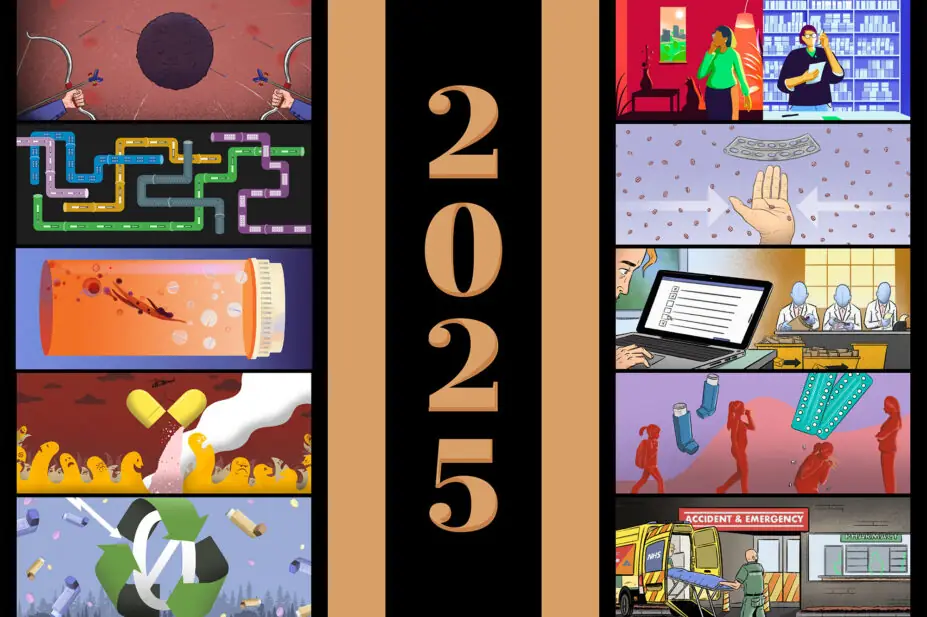
3. ‘Engineering precision: developing the next generation of antibody drug conjugates’
Researchers are working to create a new generation of these targeted cancer therapies to improve efficacy and minimise off-target adverse effects. We also covered how artificial intelligence could transform the way antibody drugs are designed in ‘Designed by AI: the future of antibody drugs’.

Wes Mountain/The Pharmaceutical Journal
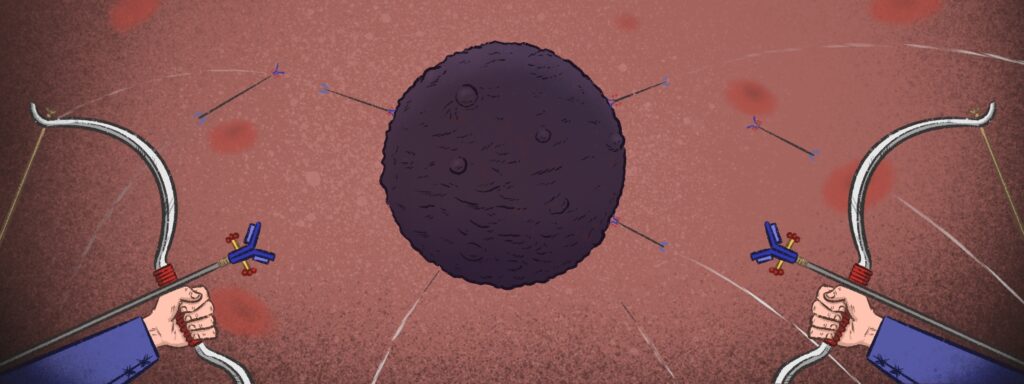
4. ‘Net zero: progress on reducing the environmental impact of medicines’
Although some progress has been made towards reducing the carbon footprint of medicines within the NHS, experts say there needs to be more focus on medicines waste and disease prevention.

Wes Mountain/The Pharmaceutical Journal
5. ‘The journey towards dedicated pharmacy support for all emergency departments’
NHS trusts in England have started taking the first steps towards a dedicated pharmacy service for emergency departments, but there is a long way to go before each trust has the recommended support in place.
Olga Aleksandrova
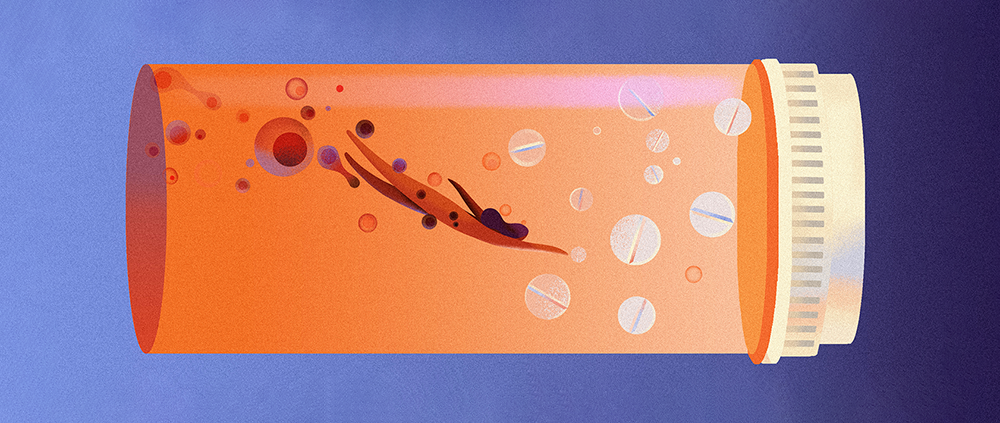
6. ‘A quest for hope: is endometriosis finally being taken seriously? ’
Years of underfunding has left women with endometriosis facing long waits for answers, including delayed diagnoses and limited treatment options — but a focus on the disease offers renewed optimism.
Wes Mountain/The Pharmaceutical Journal
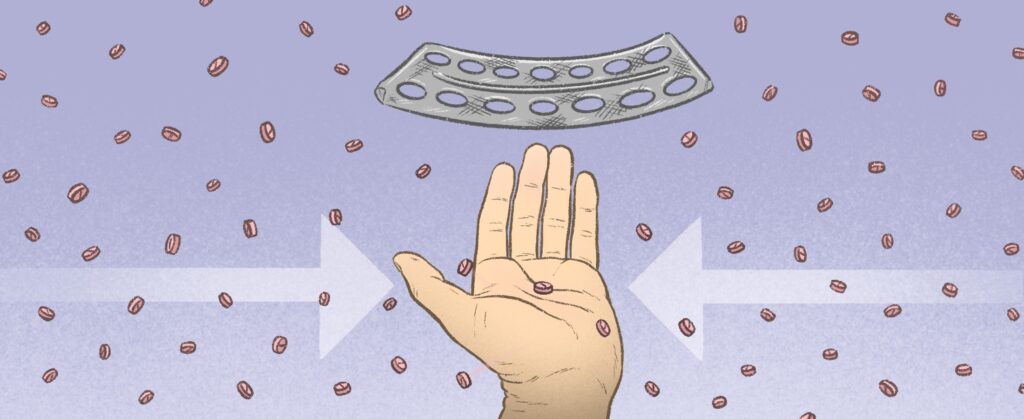
7. ‘How do we solve a problem like medicines adherence?’
Despite decades of research, rates of adherence to medicines remain stubbornly low. New ways of thinking and innovative use of technology may help us turn a corner.
Wes Mountain/The Pharmaceutical Journal
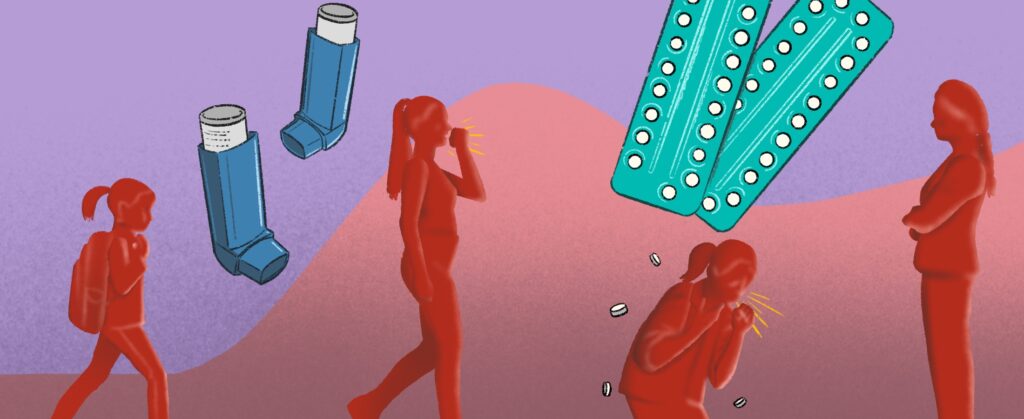
8. ‘Understanding the role of sex hormones in asthma’
Asthma is more common and can be more serious in women. Understanding the role of hormones in this disease could improve outcomes and eventually lead to the development of new treatment options.
Wes Mountain/The Pharmaceutical Journal
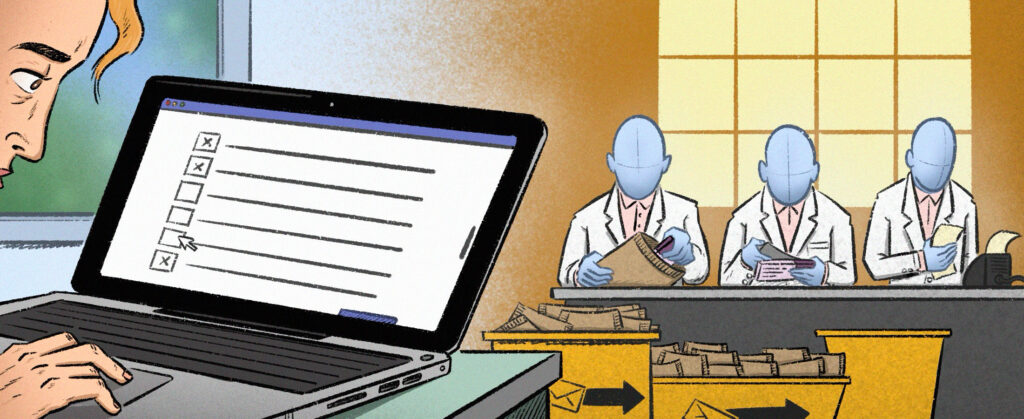
9. ‘The big online pharmacy clampdown’
Distance-selling pharmacies continue to fail inspections at a higher rate than their bricks-and-mortar counterparts. Will the General Pharmaceutical Council’s latest guidance successfully clamp down on rogue operators, or is more action needed?

Adria Volta / The Pharmaceutical Journal
10. ‘What will changes to the new medicine service mean for pharmacists and patients?’
With recent changes to its scope to include antidepressants, new payment structures and the use of subcontractors, The Pharmaceutical Journal examines how successful the new medicine service has been and how it should evolve to meet future demand.
Thank you to all of those who have made these features possible through contributing ideas, expertise and opinions.
If you have suggestions for topics that you would like us to cover in the features section in 2026, contact senior features editor Siobhan Chan: siobhan.chan@rpharms.com
You may also be interested in

Learning and CPD: 2025 in review
Top ten opinion articles of 2025