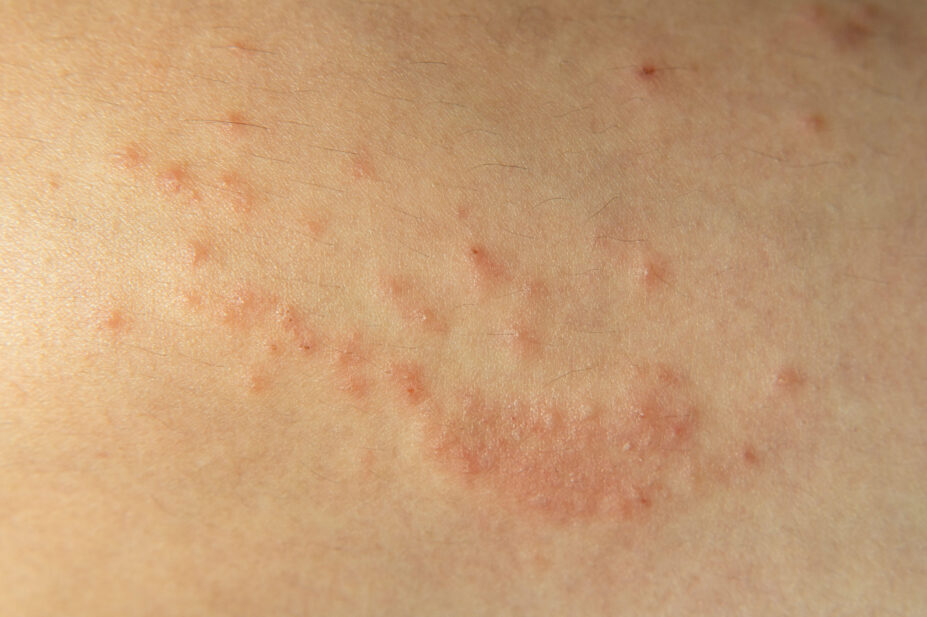
Wachiwit/ Alamy Stock Photo
The Independent Pharmacies Association (IPA) has called on the government to bring forward its plans to expand shingles vaccination eligibility to all those aged over 60 years.
The appeal follows the publication of research that suggests the vaccine can reduce cardiovascular risk.
Publishing their findings in Nature Medicine on 26 August 2026, researchers compared cardiovascular outcomes for patients vaccinated with the live shingles vaccine and the recombinant vaccine.
The study results revealed a 9% reduction in cardiovascular disease burden among people who received the recombinant vaccine.
In England, Scotland and Wales, the recombinant adjuvanted vaccine Shingrix (GSK) is offered on the NHS to all adults turning 65, adults aged 70–79 years, and adults aged 18 years and over with a severely weakened immune system.
Following advice from the Joint Committee on Vaccination and Immunisation, published in 2024, the programme is being expanded gradually and will be offered to people turning 60 from September 2028, with the vaccine becoming a routine offer to everyone aged 60 years from September 2033.
Mark Russell, clinical senior lecturer and consultant rheumatologist at King’s College London, commented: “This is a well-conducted study that uses a clever natural experiment to try to address one of the big problems with research into the benefits and risks of vaccinations. Namely, people who choose to be vaccinated are often different from those who do not, making it difficult to know whether differences in outcomes are due to the vaccine itself or other factors.
“In this study, the researchers took advantage of a relatively sudden switch in the type of shingles vaccine being used in the United States. Similar changes in shingles vaccines have also occurred in the UK.
“The authors compared cardiovascular events (e.g. heart attacks) between people vaccinated with the previously used live shingles vaccine and those vaccinated a year later, when the recombinant (non-live) vaccine was predominantly used.”
He added: “The authors used several different approaches to test whether something other than the vaccine could have explained their findings. They matched the groups across lots of different characteristics that put people at increased risk of cardiovascular events (e.g. other health conditions).
“They showed that cardiovascular disease rates were similar between the groups before they received their vaccination. They also showed that events unrelated to shingles vaccination (known as a negative control) did not differ between the vaccinated groups.”
Russell also said that the findings “strengthen the possibility that at least some of the observed difference in cardiovascular events could be due to the recombinant vaccine”.
However, he noted that a real-world study could not prove definitive causation, adding that the finding was “an intriguing signal that deserves further evaluation”.
In light of the study’s findings, Leyla Hannbeck, chief executive of the IPA, said: “The government should now look seriously at bringing forward its plans to extend vaccination to people in their 60s.
“Waiting until 2033 means leaving millions of people without potentially life-changing protection for years longer than necessary. We need an urgent re-think from the NHS and a rapid acceleration in rolling out this essential vaccine to all those 60-plus.
“It would be folly to wait seven more years before fully protecting this group. Pharmacies are ready to deliver the programme, manufacturers are able to step-up production, false economy must not be the excuse for delay.”
You may also be interested in
Acne vulgaris: recognition and management

Isotretinoin use: best practice