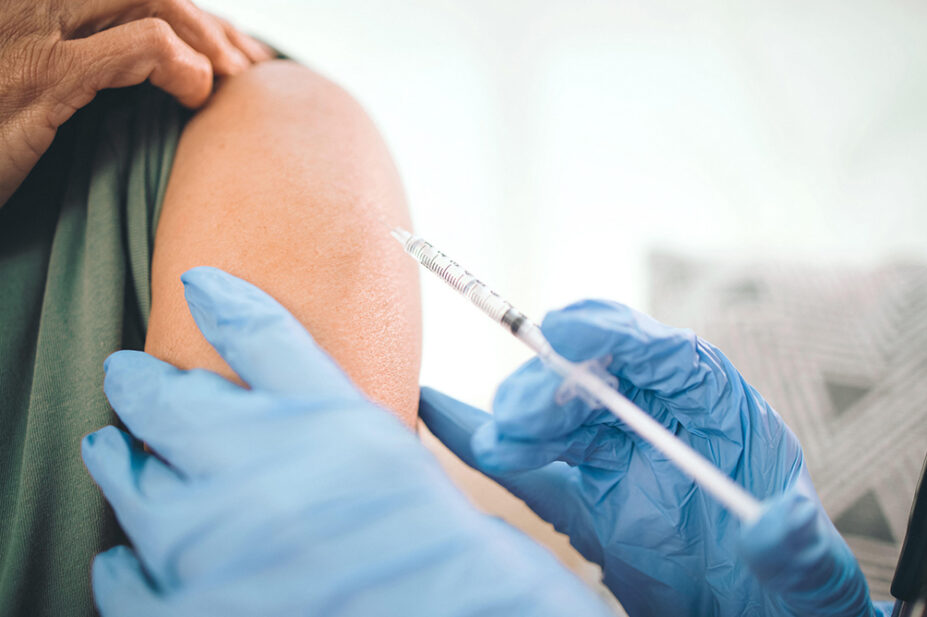
Yuri Arcurs/ Alamy Stock Photo
The UK marketing authorisation for the IXCHIQ chikungunya live attenuated vaccine has been withdrawn after some recipients suffered serious side effects, leading to hospitalisation or death.
The IXCHIQ vaccine (Valneva) was licensed by the Medicines and Healthcare products Regulatory Agency (MHRA) in February 2025 for use with adults, except those who are immunosuppressed.
In a drug safety update published on 20 October 2026, the MHRA said that following the licensing of the vaccine, serious adverse reactions have been reported, including chikungunya-like symptoms and rare neurological events, such as encephalitis, with some cases resulting in hospitalisation or death.
“These cases have occurred predominantly in older adults and individuals with underlying medical conditions but were also reported in individuals with no known health conditions,” it added.
In February 2026, following the completion of a safety review and recommendations of the Commission on Human Medicines (CHM), the IXCHIQ vaccine was contraindicated for adults over the age of 60 years, as well as people with hypertension, cardiovascular disease, diabetes mellitus and/or chronic kidney disease.
On 20 October 2026, following advice from the CHM, the MHRA published guidance, which instructed healthcare professionals to stop prescribing, supplying or administering the IXCHIQ vaccine, after it “concluded that the benefit-risk balance for the IXCHIQ chikungunya vaccine is no longer considered favourable”.
Instead, health professionals should advise travellers of alternative measures to prevent chikungunya infection, including other available vaccines and avoiding mosquito bites, the guidance noted.
An inactivated chikungunya vaccine is licensed for use in the UK, which contains adsorbed, recombinant chikungunya virus-like particles to protect against chikungunya infection.
Derek Evans, travel medicine specialist and adjunct clinical professor at KGI School of Pharmacy in Los Angeles, told The Pharmaceutical Journal on 22 October 2026 that bite-avoidance measures should be considered the primary defence against chikungunya.
In particular, he noted that the Aedes mosquito that spreads the virus has been found as far north as Italy and Spain, is active during the daytime and breeds around stagnant water. Travellers should wear long clothing where possible, use insect repellent, and change stagnant water, such as in a child’s toy, paddling pool, dog bowl or vase of flowers, frequently, Evans said.
He continued that vaccination with the inactivated vaccine should be considered for travellers deemed to be at risk of chikungunya following a risk assessment.
The MHRA drug safety update added: “There is no risk to individuals who have previously received IXCHIQ vaccination and did not experience side effects, and no revaccination or other medical intervention is required. Any individuals who have previously received IXCHIQ vaccination and experienced side effects are advised to seek medical advice and report to the Yellow Card scheme.”
Graham Thoms, chief executive of Pharmadoctor, which supports more than 2,000 pharmacists, pharmacy technicians and nurses to deliver travel health and other services, told The Pharmaceutical Journal that the company had removed the IXCHIQ vaccine from its travel clinic service package.
He said pharmacies could continue to use the Vimkunya vaccine (Bavarian Nordic), adding that this was already the more widely used chikungunya vaccine among partner pharmacies because it could be given to a wider age range of patients.