Michael Kemp / Alamy Stock Photo
Government should consider funding a national community pharmacy walk-in ‘stop smoking’ service through a levy on tobacco companies, according to a report published by AstraZeneca.
A ‘polluter pays’ levy like this could “raise an estimated £700m in its first year — enough to fund tobacco control and smoking cessation programmes with money to spare”, the report says.
The recommendation formed part of ‘Getting to the heart of the matter: a national action plan for tackling cardiovascular disease’, published on 28 January 2026 by AstraZeneca with input from several healthcare bodies including the Community Pharmacy England (CPE), National Pharmacy Association (NPA) and Company Chemists‘ Association (CCA).
The report has asked the government to commit to reducing cardiovascular disease (CVD) incidence by 20%.
According to the NHS, CVD is responsible for one in four premature deaths in the UK.
The report also discussed ways in which policy change could help in the prevention, early diagnosis and treatment for cardiovascular disease, linking its recommendations to the NHS ten-year plan to shift more care to joined-up neighbourhood services.
“To drive change in CVD outcomes, action on prevention, diagnosis and treatment must be linked in a system that is equipped to overcome traditional siloes across the CVD-risk spectrum”, the report said.
The report has also called for the ‘NHS health check’ to be offered in community pharmacies.
The check is currently offered to people aged over 40 years with no known pre-existing conditions via their GP surgery or local council; however, only 8.8% of the eligible population received one in 2023/2024.
The report suggested that capacity challenges in general practice may affect the ability of GPs to deliver health check, adding that neighbourhood health services have the potential to broaden uptake.
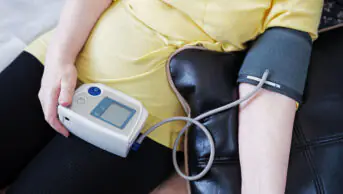
“The ‘Community pharmacy hypertension case-finding service’ has delivered over 2.8 million blood pressure screenings and detected more than 225,000 cases of high blood pressure, which may otherwise have gone undetected,” it added.
“In 2026, all pharmacists will be independent prescribers upon registration with the General Pharmaceutical Council. Coupled with the government’s ambition to introduce a community pharmacy prescribing service, this presents an opportunity to join up screening, the initiation of treatment and ongoing support — allowing patients to benefit from the clinical expertise of pharmacists to manage their condition well,” the report said.
Malcolm Harrison, chief executive of the CCA said: “Community pharmacy can play a transformative role in improving cardiovascular disease care, particularly through enhanced screening and prevention. These are key priorities within the government’s ten-year plan for the NHS.
“The potential impact is clear, but pharmacies cannot deliver this at scale without a strong and sustainable foundation. That means properly funding our core services today, so that future initiatives can be implemented effectively and the full value of community pharmacy can be realised.”
Amandeep Doll, director for England at the Royal Pharmaceutical Society (RPS), said: “Community pharmacies are well placed to improve cardiovascular health as they are at the heart of local communities and can reach people who might not otherwise access healthcare.
“Expanding hypertension and cholesterol screening in pharmacies could support identifying at-risk patients earlier and allow timely intervention that reduces long-term complications and pressure on GP services,” she continued.
“Independent prescriber pharmacists can combine screening, treatment and ongoing support in one setting, helping patients manage their conditions confidently.
“To deliver the full potential of the neighbourhood health service, community pharmacies must be fully integrated to ensure care is timely, coordinated and patient-centred. To achieve this safely and effectively, any expanded services must be backed by the right training and support.”
In September 2025, updated guidance from the National Institute for Health and Care Excellence (NICE) explicitly named pharmacists as part of the heart failure multidisciplinary team for the first time.
Read more: The Pharmaceutical Journal’s cardiovascular disease ‘hub page’