
MBI / Alamy Stock Photo
After reading this article, you should be able to:
- Understand the physiological changes that underpin menopause;
- Identify the wide-ranging symptoms of menopause and understand how they can affect quality of life;
- Know the diagnostic criteria for menopause and how it can guide treatment;
- Know the available treatment options for managing menopause symptoms, including considerations for HRT use and non-hormonal therapies;
- Understand considerations for holistic menopause management.
Menopause is a natural biological transition that signifies the end of ovarian follicular activity and the cessation of menstruation1. It is defined retrospectively after 12 consecutive months of amenorrhoea without other pathological or physiological causes2. The average age of natural menopause in the UK is 51 years, though the perimenopausal transition may begin up to ten years earlier3. Around 13 million women in the UK are currently perimenopausal or postmenopausal, accounting for nearly one-third of the female population, with the vast majority experiencing symptoms that impact daily functioning, productivity and long-term health (e.g. the development of other health conditions). The wide-ranging impact of menopause on the quality of life of women cannot be understated4.
Declining levels of oestrogen and progesterone, alongside age-related changes in androgen levels, underpin a range of systemic changes that can manifest as vasomotor instability, sleep disturbance, anxiety, mood changes, cognitive difficulties, genitourinary symptoms and musculoskeletal pain5,6. Yet, despite these well-established physiological effects, menopause remains underdiagnosed and undertreated, particularly in primary care and community pharmacy settings7. In October 2025, it was announced that menopause advice will be included in routine NHS health checks, to tackle this underdiagnosis and ensure that women experiencing symptoms of menopause get appropriate support at the correct time8.
Public awareness of menopause has risen sharply in recent years, driven by national campaigns, evolving policy and an emphasis on workplace wellbeing9. However, clinical practice continues to face significant challenges, including unequal access to trained menopause specialists, variation in prescribing confidence and ongoing HRT supply shortages that complicate continuity of care10. Pharmacists can bridge this gap by offering accessible advice, medicines optimisation and person-centred support. Importantly, the results of a survey, conducted by the Royal Pharmaceutical Society and published in 2025, highlighted that 84% of respondents said they would welcome education, information and advice from pharmacists about managing menopausal symptoms11.
National Institute for Health and Care Excellence (NICE) guidance and a British Menopause Society (BMS) consensus statement provide the foundation for consistent, evidence-based menopause care1,12. Both highlight the importance of recognising the multisystem impact of menopause, requiring both pharmacological and lifestyle interventions, regular review and shared decision-making.
This article provides an overview of the recognition, diagnosis and management of menopause, focusing on how pharmacists across all sectors can apply national guidance, identify red flags and support women in navigating evidence-based treatment options to improve their quality of life and long-term health outcomes.
Factors influencing menopause start
The timing of menopause varies between women and is shaped by a mix of genetic, lifestyle and, in some cases, medical factors. While the average age of menopause in the UK is 51 years, it can happen anytime between 45 and 55 years and still being considered within the normal age range. Menopause before the age of 45 years is classed as early, while before the age of 40 years is classed as premature ovarian insufficiency (POI)1. POI is beyond the scope of this article, see ‘Premature ovarian insufficiency: diagnosis and management’.
Some examples of factors that can influence the timing of menopause can be seen in Figure 113–24.
Figure 1: Factors that can influence the timing of menopause
The physiology of menopause
Menopause occurs when the ovaries stop releasing eggs and the production of oestrogen and progesterone falls to low levels. Age-related changes in testosterone may also occur during the menopausal transition. These hormonal changes lead to the symptoms and long-term health effects seen during perimenopause and post-menopause1.
The transition happens gradually — often over several years — and is called perimenopause. During this time, hormone levels fluctuate unpredictably, which explains why symptoms can come and go or vary in severity25.
Hormonal control and menstrual cycle changes
The menstrual cycle is regulated by the hypothalamic–pituitary–ovarian (HPO) axis. The hypothalamus releases gonadotrophin-releasing hormone (GnRH), which stimulates the pituitary gland to secrete follicle-stimulating hormone (FSH) and luteinising hormone (LH). These hormones act on the ovaries to stimulate follicle development and ovulation, which in turn leads to oestrogen and progesterone production26. Figure 2 shows how hormone levels may change over time26.
Figure 2: Variations in hormones over time
These hormonal shifts cause cycle irregularity: shorter or longer cycles, missed periods and variable bleeding intensity, before menstruation ceases entirely26.
After 12 months without a natural period, a woman is considered postmenopausal. At this stage, oestrogen and progesterone remain low and stable. Symptoms may persist but often evolve — for example, vasomotor symptoms may lessen, while vaginal dryness and joint pain become more prominent; however, women can experience a variety of changing symptoms. But this is not the case for everyone26.
Oestrogen
Oestrogen is the main hormone affected by menopause. It plays an important role in many systems in the body, including temperature control, mood, sleep and bone strength, see Figure 327,28.
Progesterone
Progesterone levels start to fall during perimenopause when ovulation becomes irregular. Low progesterone can lead to:
- Heavier or unpredictable periods before they stop altogether;
- Sleep disturbance and anxiety, as progesterone has a mild calming, sedative effect29.
Symptoms of menopause
Menopause affects multiple organ systems, leading to a wide range of symptoms that can vary in type and intensity26. While many women experience classic vasomotor symptoms, such as hot flushes and night sweats, others may present with psychological, urogenital or musculoskeletal complaints that are less obviously hormone related. Recognising these presentations allows pharmacists to offer appropriate advice, support or referral. There is often resolution or improvement in these symptoms once hormone balance is restored through HRT or other management strategies1.
See Figure 3 for a summary of the symptoms, classes and frequency of menopause30–33.
Figure 3: Menopause symptoms, causes and frequency
Lesser-known symptoms
Many symptoms are less commonly associated with menopause and can lead to misdiagnosis or unnecessary investigations. These include:
- Tinnitus or ringing in the ears (exact estimates vary, but some estimate that up to one-third of menopausal women experience tinnitus);
- Heart palpitations (57%);
- Dry or itchy skin and hair thinning (58%);
- Altered body odour or taste (thought to be common but exact estimates are not available);
- Migraines or new headaches (52%);
- Burning mouth syndrome (estimates vary, some put it at 18–33%);
- Changes in digestion and bloating (65%);
- Loss of muscle tone or joint instability (70% of patients will experience musculoskeletal symptoms)30,34–36.
Impact on quality of life
Symptoms of menopause can significantly affect daily functioning, relationships and work performance. In the UK, around one in four women experience symptoms they describe as severe, while one in ten report leaving employment owing to menopause-related difficulties37.
Pharmacists and other members of the pharmacy team play a vital role in normalising conversations, offering evidence-based advice and signposting to appropriate care pathways such as review with a GP or other qualified healthcare professional, menopause clinics or occupational health support, see Box 1.
Box 1: Pharmacy and menopause symptom management
- Women may present to the pharmacy for unrelated issues (e.g. sleep aids, vaginal lubricants, mood support), giving opportunities to identify unrecognised menopause symptoms;
- Pharmacists should not make assumptions, but can ask additional discreet, open questions to find out more, for example:
- “Can I ask how long you’ve been experiencing these symptoms?”
- “Have you noticed any changes in your periods?”
- Pharmacists can help patients understand that symptoms may vary over time and do not always require immediate medical treatment. For example, some early symptoms with limited impact (e.g. mild hot flushes) can be managed with over-the-counter treatment and lifestyle advice, while persistent severe symptoms (e.g. vaginal pain) will require prompt referral;
- Structured symptom assessment tools, such as the Greene Climacteric Scale or Menopause Rating Scale, can be used to track symptoms objectively and note symptom changes over time;
- If patients present with persistent symptoms that affect their quality of life or red-flag symptoms, (e.g. postmenopausal or unexplained vaginal bleeding, persistent pelvic or abdominal pain, unexplained weight loss or symptoms suggestive of malignancy) they should be signposted to their GP1,12,38,39
Diagnosis of menopause
Clinicians, including pharmacists across all practice settings, should focus on recognising symptoms, excluding alternative causes and identifying those who may benefit from further evaluation or referral1,12. This approach aligns with NICE and BMS guidance1,12.
Clinical assessment
In women aged over 45 years, a clinical diagnosis of perimenopause or menopause can be made when they report typical symptoms, such as vasomotor instability (e.g. hot flushes, night sweats), mood or cognitive changes, fatigue or sleep disturbance and altered menstrual patterns1,12.
Routine biochemical testing is not required in this group, as fluctuating hormone levels provide little diagnostic clarity1,12. Diagnosis should instead focus on symptom burden, quality of life and individual risk profile12.
Diagnosis may be more complex in those using hormonal contraception, after endometrial ablation or post-hysterectomy with retained ovaries. In such cases, diagnosis should rely on a detailed symptom history, age and risk assessment, considering testing only where results would change management1,12.
Pharmacists may be the first point of contact for women experiencing these symptoms and can play an important role in recognising early perimenopausal signs, offering evidence-based advice and signposting to appropriate prescribers or specialist clinics11.
Role of biochemical testing
FSH testing may be considered in situations where the diagnosis may be uncertain in women aged 40–45 years or to guide treatment in women post-hysterectomy with ovaries intact, presenting with menopausal symptoms1,12.
Other hormone assays (e.g., oestradiol, LH, AMH) are not routinely recommended, owing to high intraindividual variability and poor diagnostic reliability1,12.
Supporting investigations
Supporting investigations may be indicated to rule out alternative causes or establish baseline measures before initiating hormone therapy. Blood pressure and BMI are checked for cardiovascular risk assessment.
Other tests that may be done to inform treatment safety, include:
- Lipid profile and HbA1c/glucose, if metabolic risk factors present;
- Thyroid function tests, to rule out thyroid disease;
- Full blood count, if fatigue or heavy bleeding present;
- Liver function tests, if oral HRT considered1,12,40.
Differential diagnosis
Because symptoms can overlap with other conditions, alternative or concurrent diagnoses should be considered, see Table 141. It should be noted that these are a selection of examples, not an exhaustive list.
Table 1: An overview of menopause symptoms and potential differential diagnoses
A structured history and review of current medications can support accurate assessment, facilitate referral, where appropriate, and avoid unnecessary investigations.
Referral to registered menopause specialists
Some women experience significant menopausal or perimenopausal symptoms but they do not meet NICE diagnostic thresholds or have inconclusive results. In these cases, referral to a registered menopause specialist — as defined by the BMS — is appropriate42.
Specialist review is recommended for:
- Complex clinical presentations or contraindications to HRT;
- Women with ongoing symptoms despite initial management;
- Diagnostic uncertainty (e.g. irregular bleeding patterns, hormone therapy intolerance)1,12.
Access to menopause specialists varies widely across the UK, with significant regional differences in NHS provision. As a result, specialist referral may occur via NHS or private services, while inequities in access can affect the timeliness and quality of care available to women43.
Treatment strategies
Effective management of menopausal and perimenopausal symptoms requires a person-centred, evidence-based approach, tailored to each woman’s individual symptoms, health risks, preferences and treatment goals1,5.
Women do not need to wait until they are postmenopausal or to have a confirmed diagnosis to be offered treatment12. Early intervention during this stage can improve quality of life, support sleep and mood, as well as reduce longer-term health risks12.
Symptomatic women in the perimenopausal stage can and should be offered appropriate support, including lifestyle advice, pharmacological interventions and referral, where indicated12,44.
Management should aim to:
- Alleviate current symptoms;
- Prevent or manage long-term health risks associated with oestrogen deficiency (e.g. osteoporosis, cardiovascular disease);
- Promote holistic wellbeing through lifestyle and psychosocial support45.
The choice of therapy depends on:
- Symptom type and severity;
- Personal and family medical history;
- Patient preference, contraindications and route of administration;
- HRT type is determined by uterine status and menopausal stage, rather than age alone, in line with NICE guidance1,12.
HRT
HRT remains the most effective treatment for vasomotor symptoms (e.g. hot flushes, night sweats) and improves mood, sleep, vaginal dryness and overall quality of life46.
Evidence considered by NICE and the BMS confirms that for most healthy women aged under 60 years, or within 10 years of menopause, the benefits of HRT outweigh the risks1,12,47.
See Table 2 for a summary of the types of HRT1,12,47–49.
Table 2: Types of HRT
Oestrogen doses should be adjusted, if inadequate relief or if side effects (e.g. breast tenderness, bloating) occur1,12.
Transdermal oestrogen should be used if oral preparations cause gastrointestinal (e.g. constipation) or cardiovascular side effects (e.g. changes in blood pressure or lipids)50.
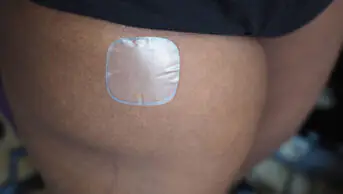
Transdermal oestrogen (i.e. patches, gels, sprays) is often preferred in women with increased venous thromboembolism (VTE) risk because transdermal HRT is not associated with an increased VTE risk and has a lower VTE risk than oral HRT. This is likely because transdermal oestrogen avoids first-pass hepatic effects seen with oral oestrogen. It is also suitable for use in women with migraine, obesity or raised blood pressure51,52. Additionally, there is greater scope for individualising treatment, including dose titration and route selection.
Where symptom control is inadequate, skin irritation occurs or the individual finds the preparation difficult to use, switching between transdermal formulations is appropriate and supported by national menopause guidance1,53.
For more information on different presentations for HRT consultations, see ‘Case-based learning: menopause and HRT consultations‘.
Testosterone
Testosterone is produced by the ovaries and adrenal glands, and levels decline with age. Current national guidance does not recommend routine measurement. In addition, the principal evidence-based indication for therapy is persistent low sexual desire in postmenopausal women despite adequate oestrogen replacement1,54. However, in clinical practice, some specialists report additional benefits in selected individuals, including improvements in energy, mood and cognitive symptoms, although high-quality evidence to support these broader indications remains limited and it is not currently guideline endorsed54,55.
Initiating HRT
When initiating HRT, an individualised discussion of risks and benefits is needed, which includes breast cancer, VTE, and cardiovascular risk. NICE has produced a decision aid for discussing these risks with patients, which can help these conversations. A summary of the decision aid can be seen in Table 31.
Table 3: Overview of the risk versus benefit for HRT
The following steps should be followed when initiating HRT:
- Start with the lowest effective dose and titrate to symptom control;
- Review after three months, then annually or sooner if issues, such as intolerable side effects, arise;
- Adjust route, dose or regimen based on response and side effects50.
Duration of HRT
There is no fixed time limit for HRT use. An annual HRT review is advised, to assess symptom control, side effects and consider ongoing risks vs benefits1,12.
HRT can be continued as long as benefits outweigh risks and the woman wishes to remain on therapy1,12.
Non-hormonal treatments
Non-hormonal treatments have a place in the management of menopause symptoms, vaginal moisturisers and lubricants should be offered alongside HRT. For women unable (e.g. in the case of hormone sensitive cancer) or unwilling to use HRT, several non-hormonal options can reduce vasomotor or mood-related symptoms, see Table 41,56.
However, it should be noted that — with the exception of vaginal moisturisers/lubricants and fezolinetant — the use of the non-hormonal options listed in Table 4 are off-label56.
Table 4: Non-hormonal pharmacological options
Endometrial protection
It is important to ensure there is an adequate progestogen component in women with an intact uterus48.
Unscheduled bleeding is common in the first three to six months; however, persistent or heavy bleeding warrants investigation, as it could indicate underlying endometrial pathology.
Micronised progesterone (body-identical) or licensed synthetic progestogens should be prescribed in appropriate doses and regimens. A 52mg levonorgestrel intrauterine system (LNG-IUS) can be used in combination with oestrogen as part of HRT to provide endometrial protection for up to five years1.
Lifestyle and complementary strategies
Lifestyle interventions can significantly improve symptoms and overall wellbeing1.
Individualised lifestyle counselling, emphasising modifiable factors that also reduce long-term disease risk should be provided, see Box 212.
Box 2: Recommended lifestyle measures
- Regular exercise: combination of aerobic and resistance training;
- Balanced diet: Mediterranean style, with calcium and vitamin D optimisation;
- Smoking cessation and moderation of alcohol/caffeine;
- Sleep hygiene: consistent routines, reduced screen exposure;
- Stress reduction: mindfulness, yoga, cognitive behavioural therapy-based interventions12,57,58.
Cognitive behavioural therapy (CBT) has demonstrated benefits for vasomotor and mood symptoms. It is also recommended by NICE, either in addition to HRT or as an alternative for those who prefer not to take it or if it is contraindicated1. CBT may be beneficial in helping women manage the psychological impact of menopausal symptoms, including low mood, anxiety and sleep disturbance. CBT does not treat the underlying hormonal changes of menopause but may help women develop coping strategies for symptoms such as mood disturbance and insomnia.
Some women explore herbal or complementary therapies (e.g. black cohosh, red clover, soy isoflavones)59,60. It is important that pharmacists consider drug interactions with these therapies and should be aware of patients OTC medicines use when checking for interactions.
Pharmacists should discuss complementary therapies openly and without judgement, noting that:
- These treatments are unavailable on the NHS;
- Evidence is limited or inconsistent;
- Product quality and safety vary widely;
- Herbal preparations should not be combined with HRT without medical advice61.
Safety and monitoring
Safe and effective menopause management depends on individualised care, ongoing monitoring and clear communication5. Monitoring should focus on symptom control, treatment safety and long-term health promotion62.
All women commencing treatment should have an initial review after three months, to:
- Evaluate symptom relief and adverse effects;
- Confirm adherence and correct use, especially for transdermal products;
- Address any bleeding patterns, side effects or safety concerns;
- Adjust dose or formulation as needed1,12,47.
If therapy is well-tolerated, subsequent reviews can occur annually, unless earlier assessment is indicated. Annual review should include:
- Current symptom assessment and overall wellbeing;
- Blood pressure and BMI measurement;
- Discussion of breast and cardiovascular health;
- Confirmation that the patient understands how and when to seek medical review (e.g. unscheduled bleeding, new contraindication)1,12.
Some risk factors of HRT necessitate additional monitoring, see Table 5 for more information1,12.
Table 5: Monitoring considerations for HRT risk factors
Patient empowerment and shared care
By reinforcing self-monitoring and preventative care, pharmacists can help patients feel informed, supported and confident in managing their menopause symptoms. Pharmacists can encourage patients to:
- Track symptoms using a diary or tracking apps to monitor changes;
- Attend regular reviews and recommended screening (e.g. breast, cervical, bone health);
- Report any new, unusual or worsening symptoms promptly, as well as any suspected side effects from treatments. Early reporting allows timely assessment and adjustment of therapy;
- Understand the difference between normal perimenopausal fluctuation (e.g. irregular periods, vasomotor symptoms) and signs requiring review (e.g. persistent pelvic pain)45.
Pharmacists can contribute to the safe and effective management of menopause symptoms by:
- Ensuring continuity of supply, which may involve addressing shortages and advising on alternatives;
- Reinforce adherence and correct use of transdermal products, additional information about use of transdermal products can be found via SPS;
- Promoting lifestyle changes, such as smoking cessation, healthy diet and exercise, to reduce long-term health risks.
Communication and person-centred care
Person-centred care is at the core of modern menopause management. Pharmacists and clinicians across all settings play a pivotal role in creating an environment where women and all individuals experiencing menopause or menopausal symptoms feel heard, understood and supported.
Empathetic, inclusive communication improves adherence, builds trust and ensures equitable access to treatment.
Menopause discussions are often emotionally charged. Stigma, embarrassment or misinformation can prevent people from seeking help63.
Approaches that can help this include:
- Providing a space for open discussion and active listening;
- Avoiding assumptions about age, gender or lifestyle;
- Normalise the conversation using clear, non-medical language when appropriate64.
Pharmacists may be the first point of contact and can make a profound difference by validating experiences and offering practical, evidence-based advice.
Shared decision-making
Shared decision-making ensures that care reflects each individual’s preferences, values and health goals, which involves:
- Presenting balanced information on benefits and risks of all treatments;
- Discussing options for both hormonal and non-hormonal management;
- Exploring personal priorities symptom relief, bone health, libido, cognitive function or lifestyle impact;
- Encouraging ongoing dialogue and review, emphasising that treatment decisions can evolve over time1,65.
Patients may benefit from signposting to reputable information sources including NHS menopause guidance, Women’s Health Concern factsheets and advocacy organisations (e.g. The Menopause Charity and menopausesupport.co.uk), which provide accessible explanations of symptoms, treatment options and support pathways.
Equality, diversity and inclusion
Menopause affects individuals from all backgrounds differently. A truly person-centred approach must address cultural, religious, gender and social diversity to ensure care is equitable and accessible66. Promoting equity means recognising these barriers and actively working to remove them through inclusive language, flexible service design and representation in health education materials. Some examples of additional considerations that can affect engagement with healthcare professionals and use of medicines to manage symptoms can be seen in Figure 41,12,43,67–72.
Figure 4: Additional considerations that can affect engagement with healthcare professionals and use of medicines to manage symptoms
Holistic and multidisciplinary support
Menopause can affect every aspect of life, work, relationships, mental health and self-esteem. As part of holistic menopause care, referral/signposting for the following may be needed:
- Psychological wellbeing and screening for depression or anxiety;
- Sexual and relationship health, including discussion of libido, comfort and communication;
- Occupational impact and workplace adjustments under the Equality Act 2010;
- Signposting to physiotherapy, counselling or pelvic floor therapy when relevant1,12.
Conclusion
Pharmacists can support women to manage their menopause symptoms by recognising the range of symptoms, understanding the available treatment options — including lifestyle measures, non-hormonal therapies and HRT — and providing evidence-based advice to improve patient outcomes.
Pharmacists can address misconceptions about menopause treatments, support women with informed decision-making and identify when referral to other healthcare professionals is needed. Creating a supportive and open environment for conversations about menopause can help reduce stigma and encourage women to seek the help they need.
- 1.Menopause: diagnosis and management. National Institute for Health and Care Excellence. 2024. https://www.nice.org.uk/guidance/ng23
- 2.Research on the menopause in the 1990s : report of a WHO scientific group. World Health Organization . 1996. https://iris.who.int/items/480e10ea-7fa3-4b8e-b5a3-9ea28fb17c7f
- 4.BMS Vision for menopause care in the UK. British Menopause Society. 2024. https://thebms.org.uk/publications/bms-vision/
- 5.Stuenkel CA, Davis SR, Gompel A, et al. Treatment of Symptoms of the Menopause: An Endocrine Society Clinical Practice Guideline. The Journal of Clinical Endocrinology & Metabolism. 2015;100(11):3975-4011. doi:10.1210/jc.2015-2236
- 6.Davis SR, Lambrinoudaki I, Lumsden M, et al. Menopause. Nat Rev Dis Primers. 2015;1(1). doi:10.1038/nrdp.2015.4
- 7.Hamoda H, Panay N, Pedder H, Arya R, Savvas M. Menopause services in primary care: addressing the gap. British Journal of General Practice. Published online 2022. doi:10.3399/bjgp22X720725
- 8.Major NHS update brings menopause into routine health checks. Gov.uk. 2025. https://www.gov.uk/government/news/major-nhs-update-brings-menopause-into-routine-health-checks
- 9.Women’s Health Strategy for England. Department of Health & Social Care. 2022. https://www.gov.uk/government/publications/womens-health-strategy-for-england/womens-health-strategy-for-england
- 10.SSPs for Estradot® patches (SSP079, SSP080, SSP081, SSP082) further extended. Community Pharmacy England. 2026. https://cpe.org.uk/our-news/ssps-for-estradot-patches-ssp079-ssp080-ssp081-ssp082-further-extended/
- 11.Women’s Health Position Statement. Royal Pharmaceutical Society. 2025. https://www.rpharms.com/recognition/all-our-campaigns/policy-a-z/womens-health-position-statement
- 12.Menopause Practice Standards. British Menopause Society. 2022. https://thebms.org.uk/wp-content/uploads/2022/07/BMS-Menopause-Practice-Standards-JULY2022-01D.pdf
- 13.Perry JRB, Corre T, Esko T, et al. A genome-wide association study of early menopause and the combined impact of identified variants. Human Molecular Genetics. 2013;22(7):1465-1472. doi:10.1093/hmg/dds551
- 14.Pelosi E, Forabosco A, Schlessinger D. Genetics of the ovarian reserve. Front Genet. 2015;6. doi:10.3389/fgene.2015.00308
- 15.Whitcomb BW, Purdue-Smithe AC, Szegda KL, et al. Cigarette Smoking and Risk of Early Natural Menopause. American Journal of Epidemiology. 2017;187(4):696-704. doi:10.1093/aje/kwx292
- 16.Szegda KL, Whitcomb BW, Purdue-Smithe AC, et al. Adult adiposity and risk of early menopause. Human Reproduction. 2017;32(12):2522-2531. doi:10.1093/humrep/dex304
- 17.Grisotto G, Farago JS, Taneri PE, et al. Dietary factors and onset of natural menopause: A systematic review and meta-analysis. Maturitas. 2022;159:15-32. doi:10.1016/j.maturitas.2021.12.008
- 18.Zhao M, Whitcomb BW, Purdue-Smithe AC, et al. Physical activity is not related to risk of early menopause in a large prospective study. Human Reproduction. 2018;33(10):1960-1967. doi:10.1093/humrep/dey267
- 19.Surgical menopause: a toolkit for healthcare professionals. British Menopause Society. 2024. https://thebms.org.uk/wp-content/uploads/2024/10/13-BMS-TfC-Surgical-Menopause-SEPT2024-D.pdf
- 20.Menopausal symptoms and cancer treatment. Macmillan . 2023. https://www.macmillan.org.uk/cancer-information-and-support/impacts-of-cancer/menopausal-symptoms-and-cancer-treatment
- 21.Mahmoud S. Premature ovarian insufficiency: diagnosis and management. Pharmaceutical Journal. Published online 2022. doi:10.1211/pj.2022.1.142437
- 22.Lawlor DA, Ebrahim S, Smith GD. The association of socio‐economic position across the life course and age at menopause: the British Women’s Heart and Health Study. BJOG. 2003;110(12):1078-1087. doi:10.1111/j.1471-0528.2003.02519.x
- 23.SWAN: Study of Women’s Health Across the Nation. Swan Study. https://www.swanstudy.org/
- 24.Wang L, Ma X, Liu J. Adverse Effects of Pesticides on the Ovary: Evidence from Epidemiological and Toxicological Studies. Environ Health. 2025;3(6):575-595. doi:10.1021/envhealth.4c00243
- 25.Santoro N, Brown JR, Adel T, Skurnick JH. Characterization of reproductive hormonal dynamics in the perimenopause. The Journal of Clinical Endocrinology & Metabolism. 1996;81(4):1495-1501. doi:10.1210/jcem.81.4.8636357
- 26.What is the menopause? . British Menopause Society. 2026. https://thebms.org.uk/wp-content/uploads/2026/01/17-NEW-BMS-TfC-What-is-the-menopause-JAN2026-A.pdf
- 27.Estrogens. Science Direct. https://www.sciencedirect.com/topics/neuroscience/estrogens
- 28.Patel S, Homaei A, Raju AB, Meher BR. Estrogen: The necessary evil for human health, and ways to tame it. Biomedicine & Pharmacotherapy. 2018;102:403-411. doi:10.1016/j.biopha.2018.03.078
- 29.Regidor PA. Progesterone in Peri- and Postmenopause: A Review. Geburtshilfe Frauenheilkd. 2014;74(11):995-1002. doi:10.1055/s-0034-1383297
- 30.Women’s Experiences of Perimenopause and Menopause. Dr Louise Newson. 2024. https://cdn.prod.website-files.com/67a63be529a3ac2a1bc1dda8/686e80c928683b5e5e46f034_DLN-Menopause-Consumer-Research-April-24-FINAL-Oct1.pdf
- 31.Miller SR, Gallicchio LM, Lewis LM, et al. Association between race and hot flashes in midlife women. Maturitas. 2006;54(3):260-269. doi:10.1016/j.maturitas.2005.12.001
- 32.Paramsothy P, Harlow S, Greendale G, et al. Bleeding patterns during the menopausal transition in the multi‐ethnic Study of Women’s Health Across the Nation (<scp>SWAN</scp>): a prospective cohort study. BJOG. 2014;121(12):1564-1573. doi:10.1111/1471-0528.12768
- 33.Streicher LF. Diagnosis, causes, and treatment of dyspareunia in postmenopausal women. Menopause. 2023;30(6):635-649. doi:10.1097/gme.0000000000002179
- 34.The surprising link between menopause and tinnitus. UCI Health. 2025. https://www.ucihealth.org/blog/2025/09/menopause-tinnitus-link
- 35.Buchanan J, Zakrzewska J. Burning mouth syndrome. BMJ. https://pubmed.ncbi.nlm.nih.gov/26745781/
- 36.Wright VJ, Schwartzman JD, Itinoche R, Wittstein J. The musculoskeletal syndrome of menopause. Climacteric. 2024;27(5):466-472. doi:10.1080/13697137.2024.2380363
- 37.Menopause in the workplace. The Chartered Institute of Personnel and Development. 2023. https://www.cipd.org/uk/knowledge/reports/menopause-workplace-experiences/
- 38.Chow H, Righton O, Berry H, Bell Z, Flynn A. A systematic review of community pharmacy interventions to improve peri- and post-menopausal health. Post Reprod Health. 2024;30(1):55-63. doi:10.1177/20533691231223681
- 39.Souza LAC e, Araujo AT, Lima AA. Correlation among four questionnaires that evaluate menopausal symptoms. Menopause. 2022;29(6):700-706. doi:10.1097/gme.0000000000001965
- 40.Hormone Replacement Therapy (HRT) Guidance and Treatment Pathway. Croydon Clinical Commissioning Group. 2020. https://swlimo.southwestlondon.icb.nhs.uk/wp-content/uploads/2021/06/Hormone-Replacement-Therapy-HRT-Guidance-and-Treatment-Pathway.pdf
- 41.Menopause: What else might be causing symptoms? National Institute for Health and Care Excellence. 2025. https://cks.nice.org.uk/topics/menopause/diagnosis/differential-diagnosis/
- 42.Find your nearest BMS menopause specialist. British Menopause Society. https://thebms.org.uk/find-a-menopause-specialist/
- 43.Eccles A, Keating S, Mann C, et al. Accessing equitable menopause care in the contemporary NHS: a qualitative study of women’s experiences. Br J Gen Pract. 2025;75(761):e816-e823. doi:10.3399/bjgp.2024.0781
- 44.Information resources for advice on HRT. Specialist Pharmacy Service. 2024. https://www.sps.nhs.uk/articles/information-resources-for-advice-on-hrt/
- 45.Manson JE, Kaunitz AM. Menopause Management — Getting Clinical Care Back on Track. N Engl J Med. 2016;374(9):803-806. doi:10.1056/nejmp1514242
- 46.Harper-Harrison G, Carlson K, Shanahan M. Hormone Replacement Therapy. StatPearls Publishing; 2026. https://www.ncbi.nlm.nih.gov/books/NBK493191/
- 47.BMS & WHC’s 2020 recommendations on hormone replacement therapy in menopausal women. British Menopause Society. 2020. https://thebms.org.uk/wp-content/uploads/2025/09/02-BMS-ConsensusStatement-BMS-WHC-2020-Recommendations-on-HRT-in-menopausal-women-SEPT2025-A.pdf
- 48.Progestogens and endometrial protection. British Menopause Society. 2026. https://thebms.org.uk/wp-content/uploads/2026/02/14-NEW-BMS-TfC-Progestogens-and-endometrial-protection-FEB2026-B.pdf
- 49.Islam RM, Bell RJ, Green S, Page MJ, Davis SR. Safety and efficacy of testosterone for women: a systematic review and meta-analysis of randomised controlled trial data. The Lancet Diabetes & Endocrinology. 2019;7(10):754-766. doi:10.1016/s2213-8587(19)30189-5
- 50.Menopause: Hormone replacement therapy (HRT). National Institute for Health and Care Excellence. 2025. Menopause: Hormone replacement therapy (HRT)
- 51.Scarabin PY. Hormone Therapy and Venous Thromboembolism among Postmenopausal Women. Frontiers of Hormone Research. Published online 2014:21-32. doi:10.1159/000360554
- 52.Canonico M, Oger E, Plu-Bureau G, et al. Hormone Therapy and Venous Thromboembolism Among Postmenopausal Women. Circulation. 2007;115(7):840-845. doi:10.1161/circulationaha.106.642280
- 53.HRT preparations and equivalent alternatives. British Menopause Society. 2025. https://thebms.org.uk/wp-content/uploads/2024/02/15-BMS-TfC-HRT-preparations-and-equivalent-alternatives-JAN2024-B.pdf
- 54.Davis SR, Baber R, Panay N, et al. Global Consensus Position Statement on the Use of Testosterone Therapy for Women. Climacteric. 2019;22(5):429-434. doi:10.1080/13697137.2019.1637079
- 55.Testosterone replacement in menopause. British Menopause Society. 2026. https://thebms.org.uk/wp-content/uploads/2026/02/08-NEW-BMS-TfC-Testosterone-replacement-in-menopause-JAN2026-C.pdf
- 56.Non-hormonal-based treatments for menopausal symptoms. British Menopause Society. 2025. https://thebms.org.uk/publications/consensus-statements/non-hormonal-based-treatments-menopausal-symptoms/
- 57.Elavsky S. Physical activity, menopause, and quality of life. Menopause. 2009;16(2):265-271. doi:10.1097/gme.0b013e31818c0284
- 58.Menopause: A healthy lifestyle guide. Cambridge University Hospitals NHS Foundation Trust. 2024. https://www.cuh.nhs.uk/patient-information/menopause-a-healthy-lifestyle-guide/
- 59.Chen M n., Lin C c., Liu C f. Efficacy of phytoestrogens for menopausal symptoms: a meta-analysis and systematic review. Climacteric. 2014;18(2):260-269. doi:10.3109/13697137.2014.966241
- 60.Huntley A, Ernst E. A systematic review of the safety of black cohosh. Menopause. 2003;10(1):58-64. doi:10.1097/00042192-200310010-00010
- 61.Gurley B. Pharmacokinetic Herb-Drug Interactions (Part 1): Origins, Mechanisms, and the Impact of Botanical Dietary Supplements. Planta Med. 2012;78(13):1478-1489. doi:10.1055/s-0031-1298273
- 62.HRT: Benefits and risks. Women’s Health Concern & British Menopause Society. 2022. https://www.womens-health-concern.org/wp-content/uploads/2022/12/11-WHC-FACTSHEET-HRT-BenefitsRisks-NOV2022-B.pdf
- 63.Barber K, Charles A. Barriers to Accessing Effective Treatment and Support for Menopausal Symptoms: A Qualitative Study Capturing the Behaviours, Beliefs and Experiences of Key Stakeholders. PPA. 2023;Volume 17:2971-2980. doi:10.2147/ppa.s430203
- 64.Tanna N. Case-based learning: menopause and HRT consultations. The Pharmaceutical Journal. 2026. https://pharmaceutical-journal.com/article/ld/case-based-learning-menopause-and-hrt-consultations
- 65.Meier S, Lawal FB, Kasting ML, DeMaria AL. Women’s Voices: Exploring Context and Practical Strategies for Women’s Health Shared Decision-Making in Community Health Settings. Women’s Reproductive Health. 2023;11(1):48-68. doi:10.1080/23293691.2023.2185117
- 66.Williams M. Culturally responsive care for menopausal women. Maturitas. 2024;185:107995. doi:10.1016/j.maturitas.2024.107995
- 67.Endara-Mina J, Coloma-Ramirez L, Escudero CJ, et al. Experience of menopause across ethnic groups: mapping the evidence through a scoping review. Front Reprod Health. 2025;7. doi:10.3389/frph.2025.1732836
- 68.Should menopause management differ between ethnic groups? Pharmaceutical Journal. Published online 2022. doi:10.1211/pj.2022.1.157914
- 69.Swihart D, Yarrarapu S, Martin R. Cultural Religious Competence in Clinical Practice. StatPearls Publishing; 2026. https://www.ncbi.nlm.nih.gov/books/NBK493216/
- 70.Toze M, Westwood S. Experiences of menopause among non-binary and trans people. International Journal of Transgender Health. 2024;26(2):447-458. doi:10.1080/26895269.2024.2389924
- 71.Best practice principles for inclusive care of transgender and non-binary patients. Pharmaceutical Journal. Published online 2024. doi:10.1211/pj.2024.1.325943
- 72.Tackling health inequalities: Delivering accessible pharmaceutical care for everyone. The Royal Pharmaceutical Society. 2023. https://www.rpharms.com/Portals/0/RPS%20Tackling%20Health%20Inequalities.pdf