Tanya C Smith/Alamy
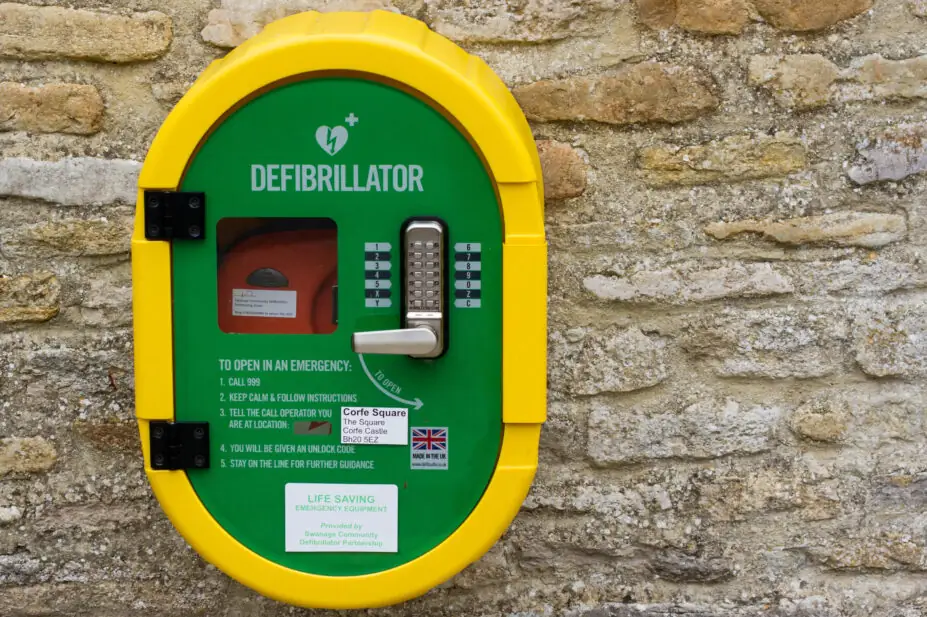
Emergency opioid treatment naloxone, used to temporarily reverse an overdose, could be available in publicly accessible emergency locked boxes around the UK, similar to defibrillator storage, the government has proposed.
In consultation documents published on 29 December 2025, the Department for Health and Social Care, in conjunction with devolved administrations, has suggested that naloxone could be available without a prescription at hostels, day centres and homeless outreach services, as well as at border control and forensic labs.
The consultation proposes removing the current requirement for a pharmacist to record the sale or supply of take-home naloxone, bringing pharmacists’ requirements in line with other providers.
While naloxone is a prescription-only medication, pharmacists are among named professionals who can give out a take-home naloxone supply without a prescription, following legal changes made in 2024.
The proposals come as the use of synthetic opioids — often sold as heroin despite being significantly stronger — becomes increasingly prevalent, with nitazenes linked to 195 deaths in England and Wales in 2024, up from 52 deaths in 2023.
Health minister Karin Smyth commented: “Every drug death is a preventable tragedy. Naloxone is a safe, effective medication that can reverse an opioid overdose and give someone the chance to access treatment and rebuild their lives.
“We want to remove the barriers that prevent naloxone reaching the people who need it most at that moment when their life is on the line.”
Commenting on the consultation, Jon Findlay, national harm reduction lead at substance use and mental health support charity Waythrough, welcomed any expansion of access to naloxone.
“I think it makes sense to have naloxone as widely available as possible. It’s a really safe medicine, and it’s really, really effective at what it does. And what it does is it buys time. It buys time for emergency services to respond to somebody who’s having a potentially fatal incident,” he said.
Findlay added that any such programme must be properly funded — both for the setting up of a new service and for continual management, including replacing used and expired kits.
“It’s great to have localised agreements and localised processes to do things so that you can make sure that [a service] meets the needs of a locality. But I also think that if we continually look to fund it through an existing drug treatment service budget, that stretches something that’s already quite stretched,” he said.
Findlay highlighted that pharmacists could help raise awareness of take-home naloxone by making it visibly available in pharmacies and speaking to service users who might be at risk of an overdose about whether they have the medicine, if it is accessible where they are using drugs, and if it is in date.