Shutterstock.com
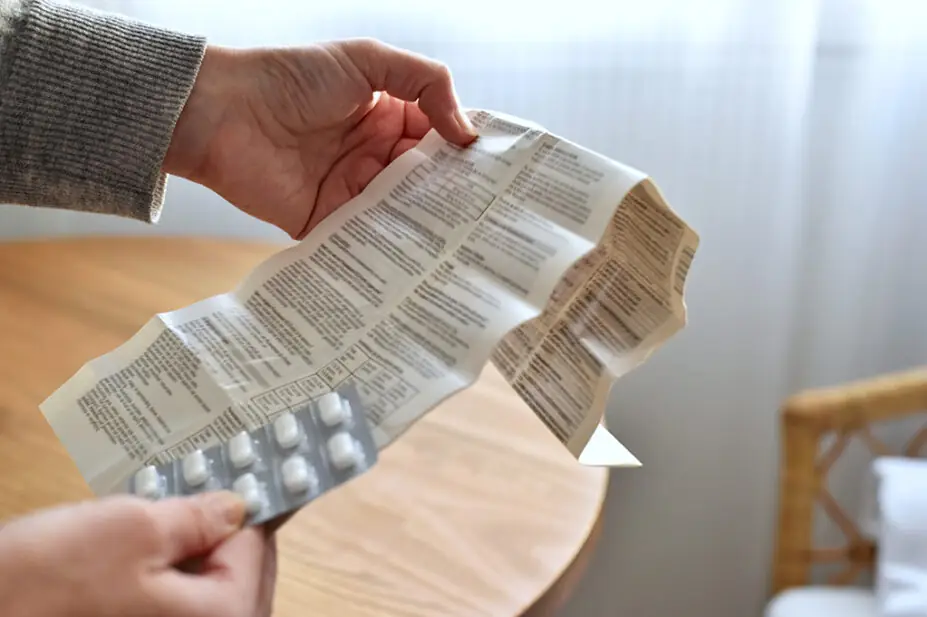
Wording in antidepressant patient information leaflets (PILs) should be “strengthened” to provide greater clarity on the risk of suicidal behaviour, the Commission on Human Medicines (CHM) has said.
In a statement, published on 1 December 2025, the Medicines and Healthcare products Regulatory Agency (MHRA) said that an expert working group from the CHM had heard from families, patients and mental health organisations on the matter over the past 18 months.
The call follows a review into how the potential risks associated with 28 antidepressant medications are communicated to patients in PILs, after patients and families raised concerns that the leaflets did not clearly explain that suicidal behaviours and sexual dysfunction may continue after treatment is stopped.
The statement said: “The group considered the real-world experiences of those affected, together with the scientific literature, to understand how warnings could be made clearer and more easily understood by patients.
“Based on the group’s recommendations, the CHM has advised that the wording in the PILs provided with antidepressant medications should be strengthened to provide greater clarity on the risk of suicidal behaviour.
“The revised text will be further developed through user testing to ensure it is as clear and effective as possible, and the MHRA is exploring a range of engagement options to take this advice forward,” it added.
According to the statement, additional measures suggested by the CHM include a patient card — given to patients either by a healthcare professional or in a medicine pack — which will be made available digitally to highlight the risk of suicidal behaviour, as well as a leaflet to support discussions on the risk between patients and healthcare professionals.
The CHM also recommended updates to PILs for certain antidepressants to reflect patient feedback and emerging evidence on the potential for sexual dysfunction after stopping treatment.
The statement said: “The MHRA is engaging with the National Institute for Health and Care Excellence, the British National Formulary and the Royal Colleges of General Practice and Psychiatrists to improve consistency of safety messaging in a range of additional communications.”
It added that the CHM would share final products developed as a result of the review “as soon as the regulatory position is finalised”.
“Patients should continue taking their medicines as prescribed and not stop or change treatment without first speaking to a doctor or mental health professional,” the statement said.
Claire Anderson, president of the Royal Pharmaceutical Society, commented: “Clear, accessible information is essential to help people understand their medicines and feel confident in using them. Strengthening PILs and introducing new tools to support conversations about the risks of suicidal thoughts will help patients know what to expect, when to seek support and, ultimately, strengthen patient safety.
“Pharmacists play a vital role in providing this reassurance, and tools, such as patient cards, can open up meaningful conversations that ensure people access the support they need. It is crucial that these resources are inclusive and address health inequalities, so that all patients — regardless of background or circumstance — can benefit from safe and effective care.”
In October 2025, researchers called for antidepressant treatment guidelines to be updated, after a study showed “strong evidence” that the drugs can cause clinically relevant changes in body weight, heart rate and blood pressure within a few weeks.