

Charlotte Gurr / The Pharmaceutical Journal
If you have worked in primary care for longer than ten minutes, you will know the script: pharmacy blames general practice for workload dumping; general practice blames pharmacy for capacity gaps or miscommunication; and commissioners talk about integration, while funding models keep us in separate boxes. It is not antagonism — it is exhaustion and design flaws.
So, when Community Pharmacy London started planning an event to bring community pharmacy and general practice together, we did not want another polite panel discussion. We wanted GPs and pharmacists to see each other as people again — to say what simply does not work, to call out the myths that shape poor behaviour and, most of all, to show what collaboration looks like when it’s not forced, formalised or wrapped in twenty pages of governance paperwork.
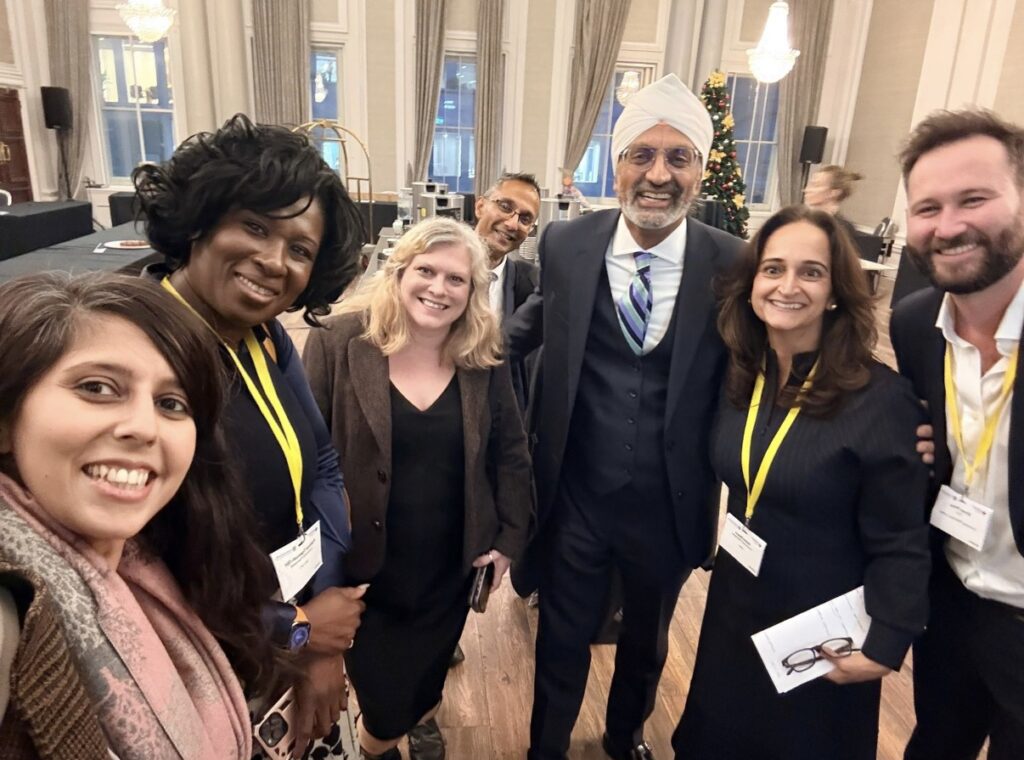
Now, months from that initial planning and a few days on from the ‘Community Pharmacy x General Practice Summit’, held on 12 November 2025 at the De Vere Grand Connaught Rooms in London, I’m still struck by what happened in that room, not because we cracked the code of primary care overnight and not because we unveiled some shiny new national programme. It was something far simpler and far more powerful.
We got front line clinicians from two professions who are too often pitted against each other to sit side by side, talk openly, share frustrations, laugh, disagree and start imagining what could be different. I also have to say now that it would not have been possible without my colleagues across London-wide local medical councils (LMCs), Community Pharmacy London and the NHS Confederation.
Why did we do it?
The need is obvious. The NHS won’t survive the next decade unless primary care starts functioning as an ecosystem, not a collection of silos. The GP contract and the community pharmacy contract may be chalk and cheese, but the patients are the same. They don’t care which bit of primary care sorts their problem; they just expect us to know what each other is doing.
We also knew that collaboration is often strong where real relationships exist, at neighbourhood level, between the pharmacist who pops into the surgery to sort an inhaler issue or the GP who calls the pharmacy to troubleshoot a repeat prescription. Those relationships happen despite the system, not because of it. The summit was designed to bring those examples out of the shadows and show they are not anomalies — they are models that we should be replicating.
Relationship-based integration is not hypothetical — it is real, and it is happening quietly all over the country
Conor Price
Our approach
Our biggest decision was to lean into honesty, not the sanitised version you get in formal stakeholder meetings but the kind of honesty that comes out when a pharmacist and a GP end up hiding in the dispensary together to escape a hectic practice corridor. That story, told on stage by one of the speakers, summed up the whole day: people make collaboration work long before systems catch up.
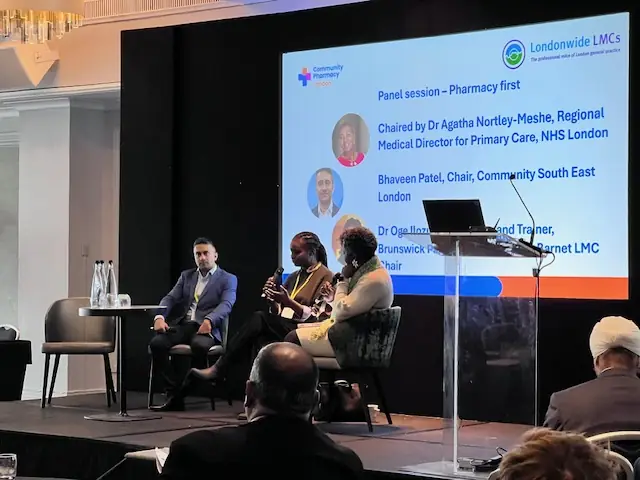
We curated a programme that deliberately mixed perspectives: contractors, LMC leads, integrated care board executives, national NHS leaders, front line clinicians, those already collaborating and those sceptical of the whole concept. The panel on ‘Collaborating whilst competing’ set the tone, which tackled the elephant in the room head on. Pharmacy and general practice do not always want the same things. Contracts incentivise different priorities. Workforce shortages mean every organisation is protecting its own survival while ignoring that tension would have killed the credibility of the day.
We also kept the structure of the summit light, with generous breaks, networking and exhibitor conversations, not filler but intentional conversations. The real magic wasn’t on stage — it was the GP who suddenly realised a local pharmacist was dealing with 150 walk-ins a day, or the pharmacist who had no idea that the practice down the road had lost two partners and three receptionists this year. Those moments shift mindsets more effectively than any keynote ever will.
What happened on the day?
You could feel the atmosphere shift as soon as the early debates kicked off. People dropped their professional defensiveness. GPs admitted that some of their scepticism about Pharmacy First was fuelled by an incomplete understanding of what community pharmacy can clinically deliver. Pharmacists also acknowledged that communication gaps sometimes escalate because no one has built the relationship needed to pick up the phone.
The myth-busting session was refreshingly blunt. We confronted long-standing narratives: that pharmacists ‘just dispense’, GPs ‘won’t share power’ and integration feels like code for shifting workload without shifting resource. The room didn’t shy away from those tensions, which is exactly why the conversations felt so productive.
However, the standout theme was the celebration of genuine collaboration already happening. We heard about pharmacists working from practice rooms a few days per week, joint headache pathways redesigned by both professions, shared care models that reduced duplication and neighbourhood teams that simply stopped waiting for permission and built systems that worked for their population. Relationship-based integration is not hypothetical — it is real, and it is happening quietly all over the country.
Community Pharmacy London
What is next?
We are not naive. One summit does not override a decade of structural separation; however, it proved that when you bring people together at scale — without an agenda beyond building trust — something shifts. The conversations were raw, constructive and grounded in reality. They have also already sparked follow-up work across multiple boroughs.
For other local areas thinking about doing something similar, my advice is simple:
- Get the right people in the room, which involves front line clinicians first and system leaders second;
- Strip out the jargon and speak plainly about the operational pressures on both sides;
- Surface the real pain points, such as competition, communication and capacity gaps;
- Showcase practical examples, since nothing inspires change like seeing someone else already doing it;
- Make space for relationships — that is where the real integration happens.
Although primary care is stretched to breaking point, days like this remind me that the solution is not another restructure or another national directive. It is people, community pharmacists and GPs deciding to work together because they share a purpose. The system should be shaped around that, not the other way round.
1 comment
You must be logged in to post a comment.

What happened to all the groundbreaking work primary care pharmacists like me did in the 1990s and 2000s? Was it all for nothing?