Antonio Nigro
In recent years, community pharmacy has undergone a significant evolution, expanding its role beyond the traditional dispensing of medicines. The introduction of clinical and diagnostic services has strengthened it as a local primary care setting that is capable of providing direct support to people and building ongoing relationships with the community.
At the same time, the role of the pharmacist has evolved, becoming increasingly active in health promotion, prevention and health education while addressing needs that often emerge outside strictly clinical settings.
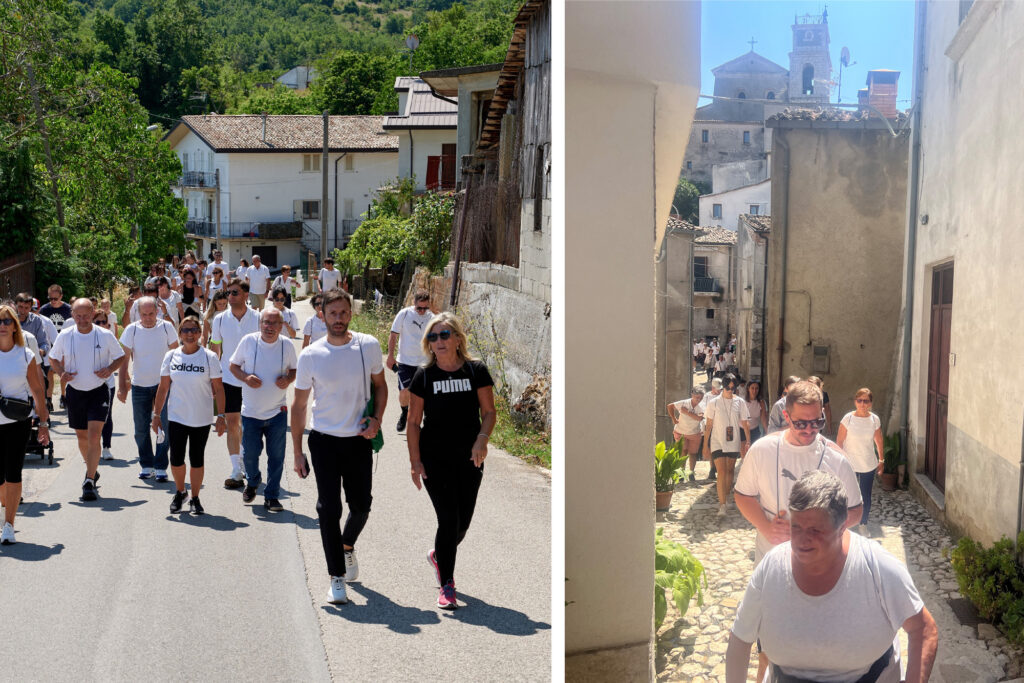
In line with this evolution — and with my commitment to moving beyond a traditional interpretation of the profession — I created the ‘Health Walk’. I designed this annual event to make community pharmacy a point of reference not only for treatment but also a place that is able to translate the principles of prevention and health education into a simple, inclusive activity, which can be easily integrated into everyday community life.
Our pharmacy, Farmacia dr.ssa Nigro Giovanna, is a family-run rural pharmacy located in Castelvetere sul Calore, Avellino, a small village in southern Italy. The walk has taken place for several years during a summer morning, following a simple and well-established structure.
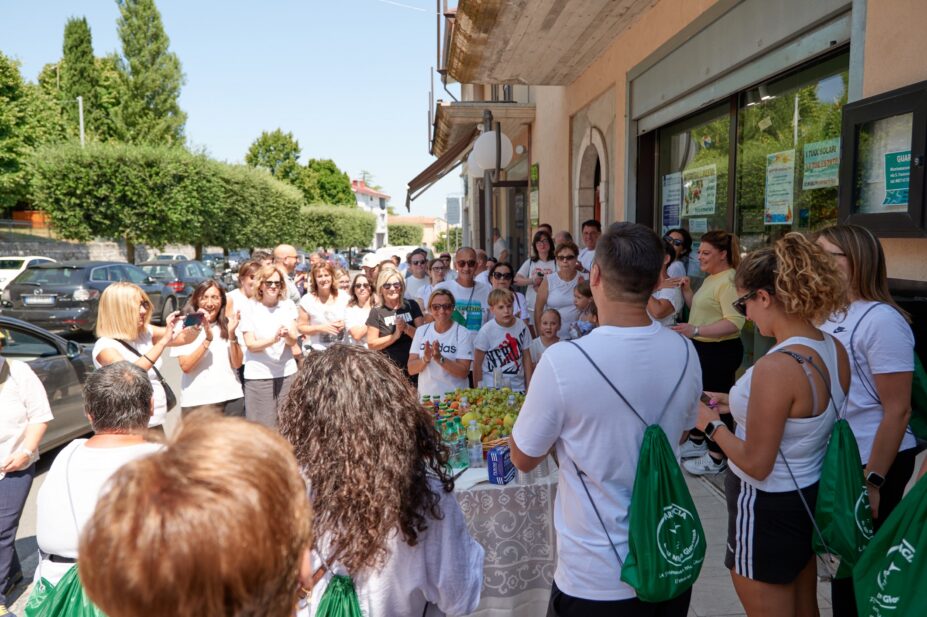
The day begins with participants gathering at the pharmacy, where they receive a personalised kit containing useful materials for the walk and simple tools to support wellbeing during physical activity. The contents vary each year but always include a voucher for a food supplement, which is individually selected and recommended based on each participant’s needs. This is not intended as commercial promotion but as an opportunity to encourage a conscious and appropriate use of these products within an active lifestyle.
Antonio Nigro
This is followed by an educational session led by me, supported by a guest healthcare professional selected according to the theme of the day. In 2025, the theme was ‘Mindfulness and movement’. For this walk, we were joined by a physiotherapist and osteopath. During this session, the physical and psychological benefits of walking are explained in an accessible way, with particular attention to chronic disease prevention and mental wellbeing.
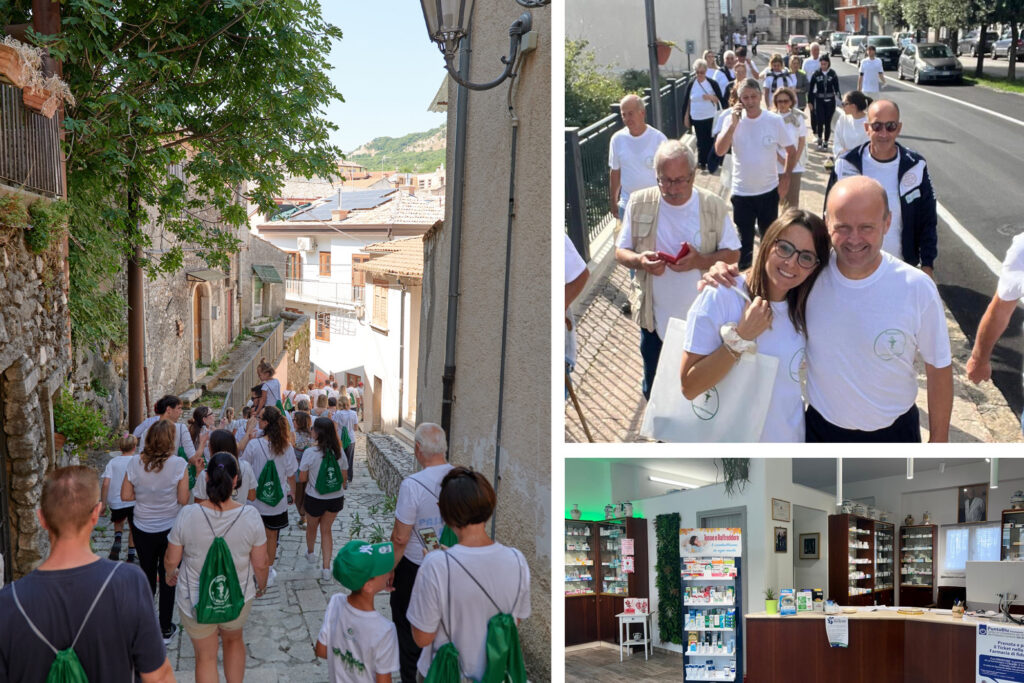
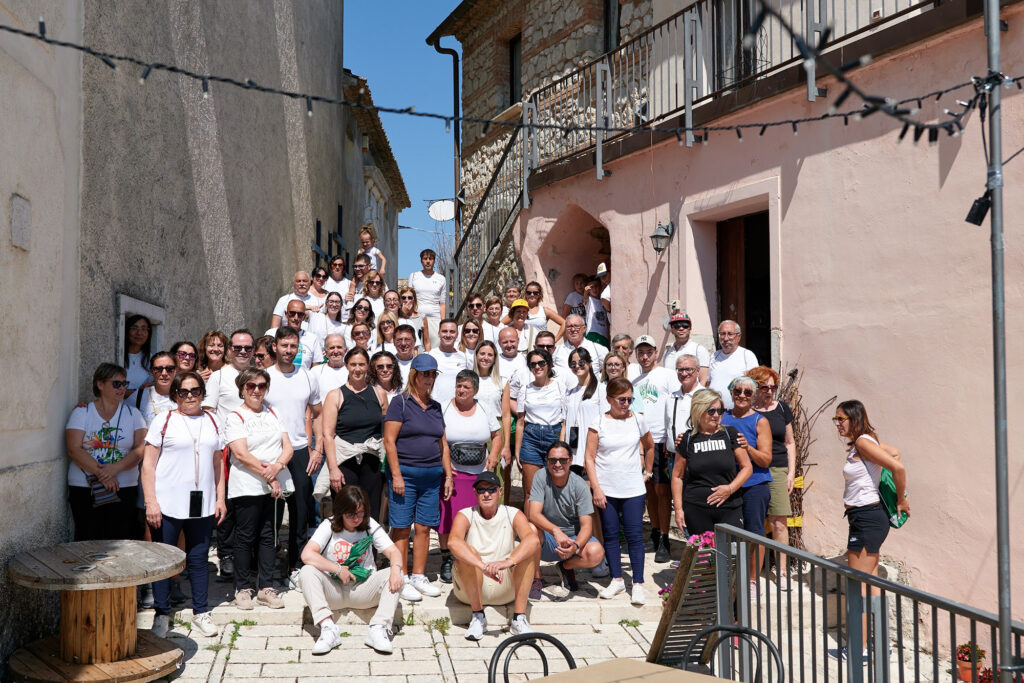
At the end of the educational session, the walk itself begins through the streets of the village, along a route of low-to-moderate difficulty. I lead the walk, and the route is designed to allow participation by people of different ages and fitness levels while encouraging the adoption of an active lifestyle in daily life. The walk lasts around a couple of hours, which includes a couple of breaks to take group photos in scenic spots around the village.
The Health Walk has achieved high levels of participation and engagement, strengthening the relationship of trust between the pharmacy and the local community
On returning to the pharmacy, participants join a convivial gathering based around fresh fruit and energy drinks, creating an informal space that encourages discussion, final questions and personal sharing of the experience.
The Health Walk has achieved high levels of participation and engagement, strengthening the relationship of trust between the pharmacy and the local community. During the first Health Walk, we had 70 participants, whereas the second had about 100 participants. I hope to have even more participation this year.
Antonio Nigro
The initiative is grounded in solid scientific evidence. The American gerontologist Robert Butler famously stated that ‘if exercise could be packaged in a pill, it would be the most widely prescribed medication in the world’. In Denmark, this principle has been translated into a structured clinical model through the ‘Exercise on prescription’ (EOP) programmes.
Developed in the early 2000s, EOP represents an innovative model of preventive medicine in which GPs can prescribe walking as an integral part of the treatment plan, particularly for patients with chronic conditions linked to sedentary lifestyles, such as type 2 diabetes mellitus, hypertension, obesity and mood disorders.
The Health Walk represents my way of understanding pharmacy: not simply as a workplace but as a living presence within the community
This is not a simple recommendation but a formal therapeutic prescription, officially recognised by the Danish healthcare system. Patients receive personalised guidance on frequency, duration and intensity of physical activity, often supported by physiotherapists or other healthcare professionals, with progress monitored over time.
Outcomes include improvements in clinical parameters, reduced medication use, greater adherence to treatment plans and, above all, a cultural shift, which transforms care from a passive process into an active and participatory one.
This approach has inspired similar programmes in other countries, including the UK, where the ‘Exercise referral scheme’ (ERS) operates in over a 10–16 week duration, Lithuania and the United States, which involve not only physicians and physiotherapists but also pharmacies.
For these reasons — and within the broader evolution of how we prevent and manage health — the Health Walk represents a small but concrete example of how even a village pharmacy can become an integral part of a new way of understanding health.
The Health Walk represents my way of understanding pharmacy: not simply as a workplace but as a living presence within the community. A setting that does not merely respond to needs but seeks to anticipate them, that does not stop at treatment but invests in prevention and that chooses to walk alongside people, placing the patient, professional competence and continuity of commitment at its very centre.
Antonio Nigro
Further reading
- ‘How pharmacy teams can provide health education‘;
- ‘How to design and implement effective health education interventions in primary care pharmacy settings‘;
- ‘How to conduct effective men’s health promotion in community pharmacy‘;
- ‘NHS ten-year plan: what role will pharmacies play in neighbourhood health teams?‘
- ‘Case-based learning: social prescribing and pharmacy professionals‘