
Alones/Shutterstock.com
This week, The Pharmaceutical Journal reported on the National Institute for Health and Care Excellence (NICE) approval of dupilumab (Dupixent; Sanofi and Regeneron Pharmaceuticals), a monoclonal antibody that could help 30,000 people with COPD.
We’ve also highlighted research that suggests abatacept (Orencia; Bristol Myers Squibb) could delay rheumatoid arthritis for high-risk patients, while Diane Ashiru-Oredope, former deputy chief scientist at the Royal Pharmaceutical Society, and James Davies, director of research and insights at Community Pharmacy England, have shared reflections on recently published research studies in and through community pharmacy.
For those looking to put research into practice, we’ve rounded up everything you need to know about pre-exposure prophylaxis provision in community pharmacy, exploring what needs to change before this can become a reality for patients.
Read on for more news and research from across pharmacy and health.
GLP-1 risks
Weight-loss medication continues to be in the news this week, as the Medicines and Healthcare Products Regulatory Agency (MHRA) announced that it seized £45m of illegally traded medicines in 2025, including weight-loss pens and raw ingredients. Meanwhile, a survey conducted by LloydsPharmacy Online Doctor found more than one-quarter of respondents who used weight-loss drugs had knowingly bought weight-loss injections from unlicensed sellers, while almost half said they modify doses rather than taking them as prescribed.
On 29 January 2026, the MHRA announced it had strengthened warnings on product information for GLP-1s, highlighting the potential risk of severe acute pancreatitis, including rare reports of necrotising and fatal pancreatitis.

Charlotte Gurr
Further reading
Prostate cancer and MS drugs approved by NICE
This week, NICE also recommended talazoparib (Talzenna, Pfizer), alongside enzalutamide (Xtandi; Astellas Pharma and Pfizer), for adults with prostate cancer that has spread. And following campaigning from charity Prostate Cancer UK, NHS England has gone beyond NICE appraisal and commissioned abiraterone acetate and prednisolone for an even wider cohort of men with prostate cancer.
NICE has also recommended natalizumab as an option to treat adults whose disease has not responded to a full and adequate course of at least one disease-modifying therapy, if cladribine (Mavenclad; Merck) is not suitable.
Further reading
Disease surveillance: Norovirus and respiratory infections
Could sleep-related signals support earlier detection of respiratory trends in the UK? A collaboration between the UK Health Security Agency (UKHSA) and sleep app Sleep Cycle is aimed to find out how signals recorded by the app, such as coughing at night, correspond to UK hospital admission data and surveillance indicators.
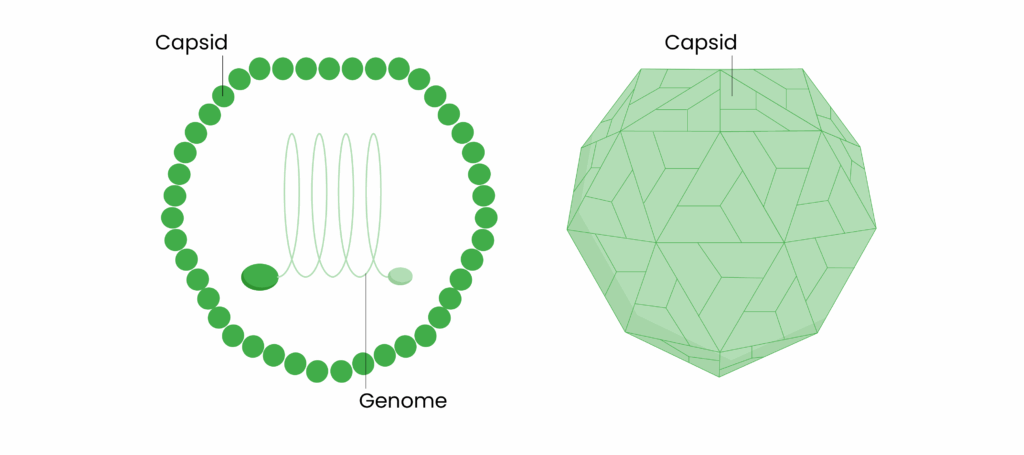
This week, the UKHSA also warned that norovirus activity has increased in recent weeks, particularly in adults aged 65 years and over.
Further reading
Pharmacy care for thrush
The results of a small-scale interview-based study, published in the British Journal of General Practice, revealed that patients and clinicians agreed that thrush could be treated effectively through community pharmacy; however, when thrush returned or persisted, patients found they required multiple appointments and follow-up care to receive an effective management plan.
Further reading
Nasal spray may be alternative to autoinjectors
On 27 January 2026, the findings of a review, published in the BMJ’s ‘Drug and Theraputics Bulletin’, showed that EURneffy epinephrine nasal spray — licensed for treatment of anaphylaxis in adults and children — may be an acceptable alternative to auto-injectors in those who do not carry or use them promptly, and offers a longer shelf life and less-restricted storage conditions.