Wachiwit / Alamy Stock Images
The National Institute for Health and Care Excellence (NICE) has approved seladelpar (Livdelzi; Gilead) for primary biliary cholangitis (PBC), including for severe itching, for use on the NHS in England and Wales.
In a statement on its approval, published on 4 June 2026, NICE said that about 3,700 people in England will be eligible to receive the new treatment.
PBC, previously called primary biliary cirrhosis, is a progressive autoimmune cholestatic liver disease in which the liver’s bile ducts are destroyed, leading to a build-up of bile in the liver.
If left untreated, it can result in end-stage liver disease, with a need for liver transplantation. NICE said that around 20,000 people in the UK have PBC, and that 90% of patients are women. Three quarters (75%) of patients are aged over 40 years.
In final draft guidance, NICE said that seladelpar could delay the progression of PBC, as well as reducing itching, known as pruritus, compared with placebo. It is taken as a daily pill, and can be used in combination with ursodeoxycholic acid (UDCA) for people who have an inadequate response to UDCA alone, or as monotherapy in those unable to tolerate UDCA.
The Medicines and Healthcare products Regulatory Agency (MHRA) approved the drug for PBC in January 2025.
The British Hepatology Pharmacy Group (BHPG) said it welcomed NICE’s decision: “Following approvals in the United States and Europe, we are pleased to see patients across both England and Wales gaining access to this new therapy.
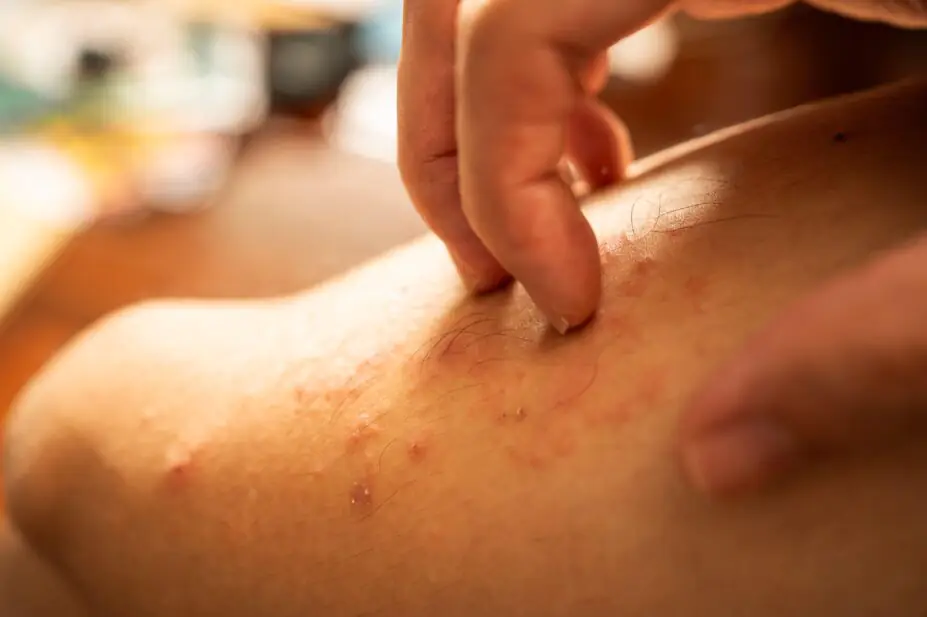
“Pruritus remains one of the most debilitating and prevalent symptoms of PBC, often leading to sleep disturbance, worsening fatigue and decreased quality of life.
“Seladelpar offers a much-needed option for those with moderate to severe itch who have had limited relief from existing treatments. Evidence demonstrating meaningful improvements in both cholestatic itch and biochemical markers represents a significant step forward for patient centred care.
“As with all advanced therapies, pharmacists will play a crucial role in delivering seladelpar safely and effectively. The medicine has several clinically relevant drug–drug interaction considerations, and pharmacy teams are well placed to support prescribing teams, optimise monitoring and ensure patients receive clear, practical guidance.”
Robert Mitchell-Thain, chief executive officer of the PBC Foundation, said: “Today’s decision marks an important step for the PBC community, signalling progress towards care that better addresses the full impact of living with this condition.”
Vanessa Hebditch, director of policy at the British Liver Trust, said: “We welcome this decision by NICE. PBC can have a profound impact on daily life, particularly for those experiencing debilitating symptoms such as severe itching and fatigue. Having an additional treatment option available on the NHS is an important step forward and offers renewed hope for people who have not benefitted from existing treatments.
“While this recommendation is a positive step forward, we would also like to see continued investment in research, earlier diagnosis and greater awareness of PBC to ensure everyone affected receives the treatment, support and specialist care they need.”
Read more: Primary biliary cholangitis — diagnosis and management
You may also be interested in

NHS England to review guidance for pain management in ketamine users following patient death

Building on hepatitis C testing: the potential to identify alcohol-related liver disease through community pharmacy