
September 2026, Vol 317, No 8013
Top news stories

Migraine and acne included in new prescribing Pharmacy First pathways

MHRA reviewing risks and safeguards for propranolol use in anxiety

Medicines management policy for high-risk drugs introduced by GP practice, following death of patient

‘Sharp increase’ in AI-generated complaints as fitness to practise concerns rise by a third

NICE rejects long-acting HIV prevention treatment lenacapavir for NHS use

Community pharmacist prescribing service planned for October 2026 start
Features

The lives cut short by medicine shortages
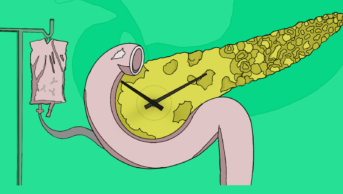
Can immunotherapy stop the clock on type 1 diabetes?

Everything you need to know about the push for microbiome medicine development

GLP-1s: what is behind the variation in efficacy?

Danger ahead: the growing threat of fungal disease and antifungal resistance

Lost in fine print: how patient information leaflets are failing patients

Why do women in England’s poorest areas have lower rates of HRT prescribing?
Opinion

Core advanced credentialing: lessons from a hospital pilot programme

Are electronic prescribing systems as safe as we think?

PJ view: Pharmacists must not be trapped by the promise of AI efficiencies

Push for progress: what the rare diseases framework extension means for patients and the future of UK innovation

‘We’re in our early days’: the Royal College of Pharmacy’s first national advisory council chairs on their priorities

Can simulation help foundation trainee pharmacists prepare for prescribing?

Pharmacy must protect its scientific identity

How we led a quality driven diabetes switching programme for generic dapagliflozin

Making pharmacy foundation training genuinely inclusive requires system‑level change
Learning & CPD

Pharmacy Inside Jobs: ophthalmology

Supporting patients who are clinically vulnerable to COVID-19
Supported content
How to manage medicines during major incidents

Case-based learning: differentiating migraine in a patient with sickle cell disease

Diabetic retinopathy: screening and management

Best practice for clopidogrel prescribing

Evaluating clinical trial eligibility criteria: recruitment methods, informed consent, control and blinding

Evaluating clinical study methods: treatment considerations, outcomes, variables and measurements

Evaluating study results: central tendency and variability and confidence intervals

Evaluating study results: statistical inference, hypothesis testing and significance

Understanding risk and clinical utility, dropouts, data handling and the discussion section when evaluating studies

Understanding commonly used statistical tests

Understanding correlation, regression and survival analysis
Royal College of Pharmacy news

Proposed neighbourhood contracts too centred on general practice, Royal College of Pharmacy says
Royal College of Pharmacy launches national standard and credential for newly qualified pharmacist prescribers