
Shutterstock.com / The Pharmaceutical Journal
Renal conditions range in severity, with long-term conditions, like chronic kidney disease, significantly impacting patient morbidity and mortality. As medicines experts, pharmacists have a role to play in the management of medicines in the context of renal impairment. For related articles, visit the renal health page.
Work your way through the quiz by expanding the questions in the boxes below.
Each question includes a link to a relevant article published in The Pharmaceutical Journal, which provides more information on the topic. When you have answered all the questions, select ‘Finish quiz’ at the bottom of the page to check your score.

Shutterstock.com
Quiz Summary
0 of 15 Questions completed
Questions:
Information
You have already completed the quiz before. Hence you can not start it again.
Quiz is loading...
You must sign in or sign up to start the quiz.
You must first complete the following:
Results
Results
0 of 15 Questions answered correctly
Your time:
Time has elapsed
You have reached 0 of 0 point(s), (0)
Earned Point(s): 0 of 0, (0)
0 Essay(s) Pending (Possible Point(s): 0)
Categories
- Not categorized 0%
- Review
- Answered
- Correct
- Incorrect
- Question 1 of 15
1. Question
What analgesic is recommended first-line for pain relief in a patient with a kidney stone?
CorrectIncorrect - Question 2 of 15
2. Question
Previously, SGLT2 inhibitors were suspended for all inpatients, regardless of the presenting complaint, owing to safety concerns raised by the Medicines and Healthcare products Regulatory Agency regarding the risk of which condition?
CorrectIncorrect - Question 3 of 15
3. Question
Which of the following SGLT2 inhibitors are licensed for patients with chronic kidney disease? More than one answer may be correct.
CorrectIncorrect - Question 4 of 15
4. Question
Which calculation would be most suitable for estimating renal function in individuals who are at extremes of body weight?
CorrectIncorrect - Question 5 of 15
5. Question
Which of the following antimicrobials should be used with caution in patients with renal impairment?
CorrectIncorrect - Question 6 of 15
6. Question
When would IV iron be indicated in patients with chronic kidney disease? More than one answer may be correct.
CorrectIncorrect - Question 7 of 15
7. Question
Fill in the blanks using two of the following words:
Hypertension, hyperthyroidism, albuminuria, bilirubinuria
Chronic kidney disease is the progressive decline in renal function over time, particularly associated with ageing, , type 1 and type 2 diabetes mellitus. It is classified by cause, impairment of estimated glomerular filtration rate (eGFR), and degree of .
CorrectIncorrect - Question 8 of 15
8. Question
Vascular endothelial growth factor tyrosine kinase inhibitors (VEGF TKIs) can cause significant and potentially serious adverse events. Which of the following are common/clinically significant side effects of VEGF TKIs?
More than one answer may be correct.
CorrectIncorrect - Question 9 of 15
9. Question
True or false — a history of kidney stones can increase the risk of renal cancer.
CorrectIncorrect - Question 10 of 15
10. Question
Ideal body weight is typically used to calculate an estimate for creatine clearance using the Cockcroft and Gault formula.
Work out the ideal bodyweight for a 46-year-old woman who weighs 72kg and is 1.69 metres tall.
CorrectIncorrect - Question 11 of 15
11. Question
When using the Cockcroft and Gault formula to calculate estimated creatine clearance, what is the constant for women?
CorrectIncorrect - Question 12 of 15
12. Question
According to a report from the UK Kidney Association which form of vascular access is preferred for patients requiring haemodialysis?
CorrectIncorrect - Question 13 of 15
13. Question
Which component of peritoneal dialysis fluid is responsible for creating the osmotic gradient required to remove excess fluid from the blood?
CorrectIncorrect - Question 14 of 15
14. Question
Which of the following are pharmacokinetic changes that occur in end-stage renal disease?
More than one answer may be correct.
CorrectIncorrect - Question 15 of 15
15. Question
Which of the following are clinical features that define nephrotic syndrome? More than one answer may be correct.
CorrectIncorrect
This question is from ‘Kidney stones: symptoms, diagnosis and management’. Please refer to the original article if you would like to learn more.

Shutterstock.com
Quiz Summary
0 of 15 Questions completed
Questions:
Information
You have already completed the quiz before. Hence you can not start it again.
Quiz is loading...
You must sign in or sign up to start the quiz.
You must first complete the following:
Results
Results
0 of 15 Questions answered correctly
Your time:
Time has elapsed
You have reached 0 of 0 point(s), (0)
Earned Point(s): 0 of 0, (0)
0 Essay(s) Pending (Possible Point(s): 0)
Categories
- Not categorized 0%
- Review
- Answered
- Correct
- Incorrect
- Question 1 of 15
1. Question
What analgesic is recommended first-line for pain relief in a patient with a kidney stone?
CorrectIncorrect - Question 2 of 15
2. Question
Previously, SGLT2 inhibitors were suspended for all inpatients, regardless of the presenting complaint, owing to safety concerns raised by the Medicines and Healthcare products Regulatory Agency regarding the risk of which condition?
CorrectIncorrect - Question 3 of 15
3. Question
Which of the following SGLT2 inhibitors are licensed for patients with chronic kidney disease? More than one answer may be correct.
CorrectIncorrect - Question 4 of 15
4. Question
Which calculation would be most suitable for estimating renal function in individuals who are at extremes of body weight?
CorrectIncorrect - Question 5 of 15
5. Question
Which of the following antimicrobials should be used with caution in patients with renal impairment?
CorrectIncorrect - Question 6 of 15
6. Question
When would IV iron be indicated in patients with chronic kidney disease? More than one answer may be correct.
CorrectIncorrect - Question 7 of 15
7. Question
Fill in the blanks using two of the following words:
Hypertension, hyperthyroidism, albuminuria, bilirubinuria
Chronic kidney disease is the progressive decline in renal function over time, particularly associated with ageing, , type 1 and type 2 diabetes mellitus. It is classified by cause, impairment of estimated glomerular filtration rate (eGFR), and degree of .
CorrectIncorrect - Question 8 of 15
8. Question
Vascular endothelial growth factor tyrosine kinase inhibitors (VEGF TKIs) can cause significant and potentially serious adverse events. Which of the following are common/clinically significant side effects of VEGF TKIs?
More than one answer may be correct.
CorrectIncorrect - Question 9 of 15
9. Question
True or false — a history of kidney stones can increase the risk of renal cancer.
CorrectIncorrect - Question 10 of 15
10. Question
Ideal body weight is typically used to calculate an estimate for creatine clearance using the Cockcroft and Gault formula.
Work out the ideal bodyweight for a 46-year-old woman who weighs 72kg and is 1.69 metres tall.
CorrectIncorrect - Question 11 of 15
11. Question
When using the Cockcroft and Gault formula to calculate estimated creatine clearance, what is the constant for women?
CorrectIncorrect - Question 12 of 15
12. Question
According to a report from the UK Kidney Association which form of vascular access is preferred for patients requiring haemodialysis?
CorrectIncorrect - Question 13 of 15
13. Question
Which component of peritoneal dialysis fluid is responsible for creating the osmotic gradient required to remove excess fluid from the blood?
CorrectIncorrect - Question 14 of 15
14. Question
Which of the following are pharmacokinetic changes that occur in end-stage renal disease?
More than one answer may be correct.
CorrectIncorrect - Question 15 of 15
15. Question
Which of the following are clinical features that define nephrotic syndrome? More than one answer may be correct.
CorrectIncorrect
Quiz Summary
0 of 15 Questions completed
Questions:
Information
You have already completed the quiz before. Hence you can not start it again.
Quiz is loading...
You must sign in or sign up to start the quiz.
You must first complete the following:
Results
Results
0 of 15 Questions answered correctly
Your time:
Time has elapsed
You have reached 0 of 0 point(s), (0)
Earned Point(s): 0 of 0, (0)
0 Essay(s) Pending (Possible Point(s): 0)
Categories
- Not categorized 0%
- Review
- Answered
- Correct
- Incorrect
- Question 1 of 15
1. Question
What analgesic is recommended first-line for pain relief in a patient with a kidney stone?
CorrectIncorrect - Question 2 of 15
2. Question
Previously, SGLT2 inhibitors were suspended for all inpatients, regardless of the presenting complaint, owing to safety concerns raised by the Medicines and Healthcare products Regulatory Agency regarding the risk of which condition?
CorrectIncorrect - Question 3 of 15
3. Question
Which of the following SGLT2 inhibitors are licensed for patients with chronic kidney disease? More than one answer may be correct.
CorrectIncorrect - Question 4 of 15
4. Question
Which calculation would be most suitable for estimating renal function in individuals who are at extremes of body weight?
CorrectIncorrect - Question 5 of 15
5. Question
Which of the following antimicrobials should be used with caution in patients with renal impairment?
CorrectIncorrect - Question 6 of 15
6. Question
When would IV iron be indicated in patients with chronic kidney disease? More than one answer may be correct.
CorrectIncorrect - Question 7 of 15
7. Question
Fill in the blanks using two of the following words:
Hypertension, hyperthyroidism, albuminuria, bilirubinuria
Chronic kidney disease is the progressive decline in renal function over time, particularly associated with ageing, , type 1 and type 2 diabetes mellitus. It is classified by cause, impairment of estimated glomerular filtration rate (eGFR), and degree of .
CorrectIncorrect - Question 8 of 15
8. Question
Vascular endothelial growth factor tyrosine kinase inhibitors (VEGF TKIs) can cause significant and potentially serious adverse events. Which of the following are common/clinically significant side effects of VEGF TKIs?
More than one answer may be correct.
CorrectIncorrect - Question 9 of 15
9. Question
True or false — a history of kidney stones can increase the risk of renal cancer.
CorrectIncorrect - Question 10 of 15
10. Question
Ideal body weight is typically used to calculate an estimate for creatine clearance using the Cockcroft and Gault formula.
Work out the ideal bodyweight for a 46-year-old woman who weighs 72kg and is 1.69 metres tall.
CorrectIncorrect - Question 11 of 15
11. Question
When using the Cockcroft and Gault formula to calculate estimated creatine clearance, what is the constant for women?
CorrectIncorrect - Question 12 of 15
12. Question
According to a report from the UK Kidney Association which form of vascular access is preferred for patients requiring haemodialysis?
CorrectIncorrect - Question 13 of 15
13. Question
Which component of peritoneal dialysis fluid is responsible for creating the osmotic gradient required to remove excess fluid from the blood?
CorrectIncorrect - Question 14 of 15
14. Question
Which of the following are pharmacokinetic changes that occur in end-stage renal disease?
More than one answer may be correct.
CorrectIncorrect - Question 15 of 15
15. Question
Which of the following are clinical features that define nephrotic syndrome? More than one answer may be correct.
CorrectIncorrect
Theses question are from ‘Optimising use of SGLT2 inhibitors in hospital patients’. Please refer to the original article if you would like to learn more.

Shutterstock.com
Quiz Summary
0 of 15 Questions completed
Questions:
Information
You have already completed the quiz before. Hence you can not start it again.
Quiz is loading...
You must sign in or sign up to start the quiz.
You must first complete the following:
Results
Results
0 of 15 Questions answered correctly
Your time:
Time has elapsed
You have reached 0 of 0 point(s), (0)
Earned Point(s): 0 of 0, (0)
0 Essay(s) Pending (Possible Point(s): 0)
Categories
- Not categorized 0%
- Review
- Answered
- Correct
- Incorrect
- Question 1 of 15
1. Question
What analgesic is recommended first-line for pain relief in a patient with a kidney stone?
CorrectIncorrect - Question 2 of 15
2. Question
Previously, SGLT2 inhibitors were suspended for all inpatients, regardless of the presenting complaint, owing to safety concerns raised by the Medicines and Healthcare products Regulatory Agency regarding the risk of which condition?
CorrectIncorrect - Question 3 of 15
3. Question
Which of the following SGLT2 inhibitors are licensed for patients with chronic kidney disease? More than one answer may be correct.
CorrectIncorrect - Question 4 of 15
4. Question
Which calculation would be most suitable for estimating renal function in individuals who are at extremes of body weight?
CorrectIncorrect - Question 5 of 15
5. Question
Which of the following antimicrobials should be used with caution in patients with renal impairment?
CorrectIncorrect - Question 6 of 15
6. Question
When would IV iron be indicated in patients with chronic kidney disease? More than one answer may be correct.
CorrectIncorrect - Question 7 of 15
7. Question
Fill in the blanks using two of the following words:
Hypertension, hyperthyroidism, albuminuria, bilirubinuria
Chronic kidney disease is the progressive decline in renal function over time, particularly associated with ageing, , type 1 and type 2 diabetes mellitus. It is classified by cause, impairment of estimated glomerular filtration rate (eGFR), and degree of .
CorrectIncorrect - Question 8 of 15
8. Question
Vascular endothelial growth factor tyrosine kinase inhibitors (VEGF TKIs) can cause significant and potentially serious adverse events. Which of the following are common/clinically significant side effects of VEGF TKIs?
More than one answer may be correct.
CorrectIncorrect - Question 9 of 15
9. Question
True or false — a history of kidney stones can increase the risk of renal cancer.
CorrectIncorrect - Question 10 of 15
10. Question
Ideal body weight is typically used to calculate an estimate for creatine clearance using the Cockcroft and Gault formula.
Work out the ideal bodyweight for a 46-year-old woman who weighs 72kg and is 1.69 metres tall.
CorrectIncorrect - Question 11 of 15
11. Question
When using the Cockcroft and Gault formula to calculate estimated creatine clearance, what is the constant for women?
CorrectIncorrect - Question 12 of 15
12. Question
According to a report from the UK Kidney Association which form of vascular access is preferred for patients requiring haemodialysis?
CorrectIncorrect - Question 13 of 15
13. Question
Which component of peritoneal dialysis fluid is responsible for creating the osmotic gradient required to remove excess fluid from the blood?
CorrectIncorrect - Question 14 of 15
14. Question
Which of the following are pharmacokinetic changes that occur in end-stage renal disease?
More than one answer may be correct.
CorrectIncorrect - Question 15 of 15
15. Question
Which of the following are clinical features that define nephrotic syndrome? More than one answer may be correct.
CorrectIncorrect
Quiz Summary
0 of 15 Questions completed
Questions:
Information
You have already completed the quiz before. Hence you can not start it again.
Quiz is loading...
You must sign in or sign up to start the quiz.
You must first complete the following:
Results
Results
0 of 15 Questions answered correctly
Your time:
Time has elapsed
You have reached 0 of 0 point(s), (0)
Earned Point(s): 0 of 0, (0)
0 Essay(s) Pending (Possible Point(s): 0)
Categories
- Not categorized 0%
- Review
- Answered
- Correct
- Incorrect
- Question 1 of 15
1. Question
What analgesic is recommended first-line for pain relief in a patient with a kidney stone?
CorrectIncorrect - Question 2 of 15
2. Question
Previously, SGLT2 inhibitors were suspended for all inpatients, regardless of the presenting complaint, owing to safety concerns raised by the Medicines and Healthcare products Regulatory Agency regarding the risk of which condition?
CorrectIncorrect - Question 3 of 15
3. Question
Which of the following SGLT2 inhibitors are licensed for patients with chronic kidney disease? More than one answer may be correct.
CorrectIncorrect - Question 4 of 15
4. Question
Which calculation would be most suitable for estimating renal function in individuals who are at extremes of body weight?
CorrectIncorrect - Question 5 of 15
5. Question
Which of the following antimicrobials should be used with caution in patients with renal impairment?
CorrectIncorrect - Question 6 of 15
6. Question
When would IV iron be indicated in patients with chronic kidney disease? More than one answer may be correct.
CorrectIncorrect - Question 7 of 15
7. Question
Fill in the blanks using two of the following words:
Hypertension, hyperthyroidism, albuminuria, bilirubinuria
Chronic kidney disease is the progressive decline in renal function over time, particularly associated with ageing, , type 1 and type 2 diabetes mellitus. It is classified by cause, impairment of estimated glomerular filtration rate (eGFR), and degree of .
CorrectIncorrect - Question 8 of 15
8. Question
Vascular endothelial growth factor tyrosine kinase inhibitors (VEGF TKIs) can cause significant and potentially serious adverse events. Which of the following are common/clinically significant side effects of VEGF TKIs?
More than one answer may be correct.
CorrectIncorrect - Question 9 of 15
9. Question
True or false — a history of kidney stones can increase the risk of renal cancer.
CorrectIncorrect - Question 10 of 15
10. Question
Ideal body weight is typically used to calculate an estimate for creatine clearance using the Cockcroft and Gault formula.
Work out the ideal bodyweight for a 46-year-old woman who weighs 72kg and is 1.69 metres tall.
CorrectIncorrect - Question 11 of 15
11. Question
When using the Cockcroft and Gault formula to calculate estimated creatine clearance, what is the constant for women?
CorrectIncorrect - Question 12 of 15
12. Question
According to a report from the UK Kidney Association which form of vascular access is preferred for patients requiring haemodialysis?
CorrectIncorrect - Question 13 of 15
13. Question
Which component of peritoneal dialysis fluid is responsible for creating the osmotic gradient required to remove excess fluid from the blood?
CorrectIncorrect - Question 14 of 15
14. Question
Which of the following are pharmacokinetic changes that occur in end-stage renal disease?
More than one answer may be correct.
CorrectIncorrect - Question 15 of 15
15. Question
Which of the following are clinical features that define nephrotic syndrome? More than one answer may be correct.
CorrectIncorrect
These questions are from ‘Dose adjustments of antimicrobials in patients with renal impairment’. Please refer to the original article if you would like to learn more.

Shutterstock.com
Quiz Summary
0 of 15 Questions completed
Questions:
Information
You have already completed the quiz before. Hence you can not start it again.
Quiz is loading...
You must sign in or sign up to start the quiz.
You must first complete the following:
Results
Results
0 of 15 Questions answered correctly
Your time:
Time has elapsed
You have reached 0 of 0 point(s), (0)
Earned Point(s): 0 of 0, (0)
0 Essay(s) Pending (Possible Point(s): 0)
Categories
- Not categorized 0%
- Review
- Answered
- Correct
- Incorrect
- Question 1 of 15
1. Question
What analgesic is recommended first-line for pain relief in a patient with a kidney stone?
CorrectIncorrect - Question 2 of 15
2. Question
Previously, SGLT2 inhibitors were suspended for all inpatients, regardless of the presenting complaint, owing to safety concerns raised by the Medicines and Healthcare products Regulatory Agency regarding the risk of which condition?
CorrectIncorrect - Question 3 of 15
3. Question
Which of the following SGLT2 inhibitors are licensed for patients with chronic kidney disease? More than one answer may be correct.
CorrectIncorrect - Question 4 of 15
4. Question
Which calculation would be most suitable for estimating renal function in individuals who are at extremes of body weight?
CorrectIncorrect - Question 5 of 15
5. Question
Which of the following antimicrobials should be used with caution in patients with renal impairment?
CorrectIncorrect - Question 6 of 15
6. Question
When would IV iron be indicated in patients with chronic kidney disease? More than one answer may be correct.
CorrectIncorrect - Question 7 of 15
7. Question
Fill in the blanks using two of the following words:
Hypertension, hyperthyroidism, albuminuria, bilirubinuria
Chronic kidney disease is the progressive decline in renal function over time, particularly associated with ageing, , type 1 and type 2 diabetes mellitus. It is classified by cause, impairment of estimated glomerular filtration rate (eGFR), and degree of .
CorrectIncorrect - Question 8 of 15
8. Question
Vascular endothelial growth factor tyrosine kinase inhibitors (VEGF TKIs) can cause significant and potentially serious adverse events. Which of the following are common/clinically significant side effects of VEGF TKIs?
More than one answer may be correct.
CorrectIncorrect - Question 9 of 15
9. Question
True or false — a history of kidney stones can increase the risk of renal cancer.
CorrectIncorrect - Question 10 of 15
10. Question
Ideal body weight is typically used to calculate an estimate for creatine clearance using the Cockcroft and Gault formula.
Work out the ideal bodyweight for a 46-year-old woman who weighs 72kg and is 1.69 metres tall.
CorrectIncorrect - Question 11 of 15
11. Question
When using the Cockcroft and Gault formula to calculate estimated creatine clearance, what is the constant for women?
CorrectIncorrect - Question 12 of 15
12. Question
According to a report from the UK Kidney Association which form of vascular access is preferred for patients requiring haemodialysis?
CorrectIncorrect - Question 13 of 15
13. Question
Which component of peritoneal dialysis fluid is responsible for creating the osmotic gradient required to remove excess fluid from the blood?
CorrectIncorrect - Question 14 of 15
14. Question
Which of the following are pharmacokinetic changes that occur in end-stage renal disease?
More than one answer may be correct.
CorrectIncorrect - Question 15 of 15
15. Question
Which of the following are clinical features that define nephrotic syndrome? More than one answer may be correct.
CorrectIncorrect
This question is from ‘Developments in the management of anaemia and other complications in adults with chronic kidney disease’. Please refer to the original article if you would like to learn more.
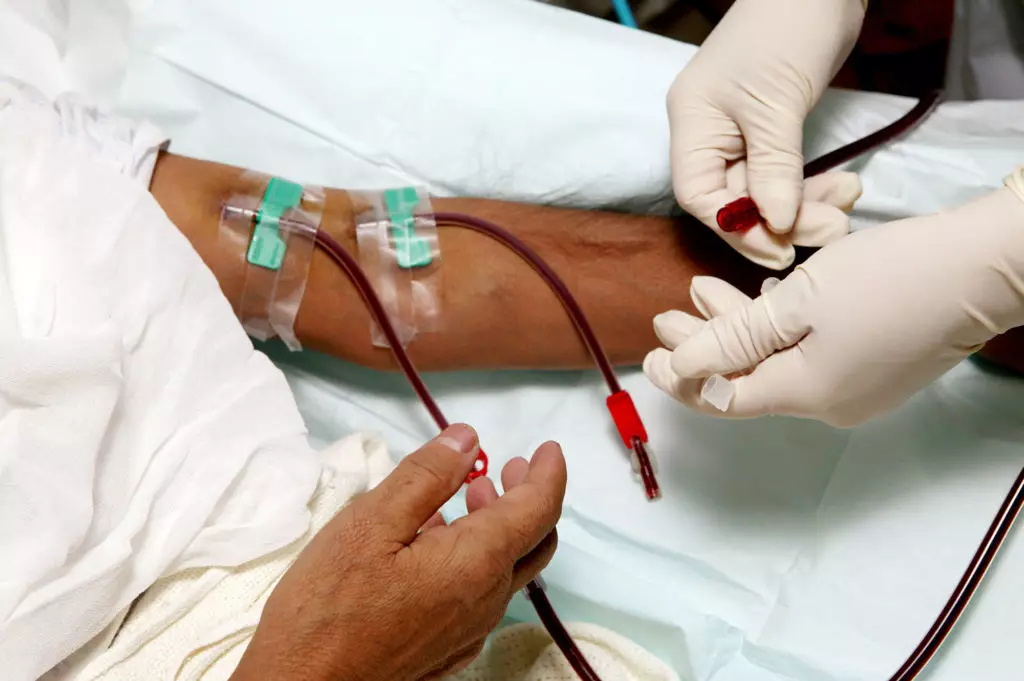
JOHN BIRDSALL SOCIAL ISSUES PHOTO LIBRARY/SCIENCE PHOTO LIBRARY
Quiz Summary
0 of 15 Questions completed
Questions:
Information
You have already completed the quiz before. Hence you can not start it again.
Quiz is loading...
You must sign in or sign up to start the quiz.
You must first complete the following:
Results
Results
0 of 15 Questions answered correctly
Your time:
Time has elapsed
You have reached 0 of 0 point(s), (0)
Earned Point(s): 0 of 0, (0)
0 Essay(s) Pending (Possible Point(s): 0)
Categories
- Not categorized 0%
- Review
- Answered
- Correct
- Incorrect
- Question 1 of 15
1. Question
What analgesic is recommended first-line for pain relief in a patient with a kidney stone?
CorrectIncorrect - Question 2 of 15
2. Question
Previously, SGLT2 inhibitors were suspended for all inpatients, regardless of the presenting complaint, owing to safety concerns raised by the Medicines and Healthcare products Regulatory Agency regarding the risk of which condition?
CorrectIncorrect - Question 3 of 15
3. Question
Which of the following SGLT2 inhibitors are licensed for patients with chronic kidney disease? More than one answer may be correct.
CorrectIncorrect - Question 4 of 15
4. Question
Which calculation would be most suitable for estimating renal function in individuals who are at extremes of body weight?
CorrectIncorrect - Question 5 of 15
5. Question
Which of the following antimicrobials should be used with caution in patients with renal impairment?
CorrectIncorrect - Question 6 of 15
6. Question
When would IV iron be indicated in patients with chronic kidney disease? More than one answer may be correct.
CorrectIncorrect - Question 7 of 15
7. Question
Fill in the blanks using two of the following words:
Hypertension, hyperthyroidism, albuminuria, bilirubinuria
Chronic kidney disease is the progressive decline in renal function over time, particularly associated with ageing, , type 1 and type 2 diabetes mellitus. It is classified by cause, impairment of estimated glomerular filtration rate (eGFR), and degree of .
CorrectIncorrect - Question 8 of 15
8. Question
Vascular endothelial growth factor tyrosine kinase inhibitors (VEGF TKIs) can cause significant and potentially serious adverse events. Which of the following are common/clinically significant side effects of VEGF TKIs?
More than one answer may be correct.
CorrectIncorrect - Question 9 of 15
9. Question
True or false — a history of kidney stones can increase the risk of renal cancer.
CorrectIncorrect - Question 10 of 15
10. Question
Ideal body weight is typically used to calculate an estimate for creatine clearance using the Cockcroft and Gault formula.
Work out the ideal bodyweight for a 46-year-old woman who weighs 72kg and is 1.69 metres tall.
CorrectIncorrect - Question 11 of 15
11. Question
When using the Cockcroft and Gault formula to calculate estimated creatine clearance, what is the constant for women?
CorrectIncorrect - Question 12 of 15
12. Question
According to a report from the UK Kidney Association which form of vascular access is preferred for patients requiring haemodialysis?
CorrectIncorrect - Question 13 of 15
13. Question
Which component of peritoneal dialysis fluid is responsible for creating the osmotic gradient required to remove excess fluid from the blood?
CorrectIncorrect - Question 14 of 15
14. Question
Which of the following are pharmacokinetic changes that occur in end-stage renal disease?
More than one answer may be correct.
CorrectIncorrect - Question 15 of 15
15. Question
Which of the following are clinical features that define nephrotic syndrome? More than one answer may be correct.
CorrectIncorrect
This question is also from ‘Developments in the management of anaemia and other complications in adults with chronic kidney disease’. Please refer to the original article if you would like to learn more.

Shutterstock.com
Quiz Summary
0 of 15 Questions completed
Questions:
Information
You have already completed the quiz before. Hence you can not start it again.
Quiz is loading...
You must sign in or sign up to start the quiz.
You must first complete the following:
Results
Results
0 of 15 Questions answered correctly
Your time:
Time has elapsed
You have reached 0 of 0 point(s), (0)
Earned Point(s): 0 of 0, (0)
0 Essay(s) Pending (Possible Point(s): 0)
Categories
- Not categorized 0%
- Review
- Answered
- Correct
- Incorrect
- Question 1 of 15
1. Question
What analgesic is recommended first-line for pain relief in a patient with a kidney stone?
CorrectIncorrect - Question 2 of 15
2. Question
Previously, SGLT2 inhibitors were suspended for all inpatients, regardless of the presenting complaint, owing to safety concerns raised by the Medicines and Healthcare products Regulatory Agency regarding the risk of which condition?
CorrectIncorrect - Question 3 of 15
3. Question
Which of the following SGLT2 inhibitors are licensed for patients with chronic kidney disease? More than one answer may be correct.
CorrectIncorrect - Question 4 of 15
4. Question
Which calculation would be most suitable for estimating renal function in individuals who are at extremes of body weight?
CorrectIncorrect - Question 5 of 15
5. Question
Which of the following antimicrobials should be used with caution in patients with renal impairment?
CorrectIncorrect - Question 6 of 15
6. Question
When would IV iron be indicated in patients with chronic kidney disease? More than one answer may be correct.
CorrectIncorrect - Question 7 of 15
7. Question
Fill in the blanks using two of the following words:
Hypertension, hyperthyroidism, albuminuria, bilirubinuria
Chronic kidney disease is the progressive decline in renal function over time, particularly associated with ageing, , type 1 and type 2 diabetes mellitus. It is classified by cause, impairment of estimated glomerular filtration rate (eGFR), and degree of .
CorrectIncorrect - Question 8 of 15
8. Question
Vascular endothelial growth factor tyrosine kinase inhibitors (VEGF TKIs) can cause significant and potentially serious adverse events. Which of the following are common/clinically significant side effects of VEGF TKIs?
More than one answer may be correct.
CorrectIncorrect - Question 9 of 15
9. Question
True or false — a history of kidney stones can increase the risk of renal cancer.
CorrectIncorrect - Question 10 of 15
10. Question
Ideal body weight is typically used to calculate an estimate for creatine clearance using the Cockcroft and Gault formula.
Work out the ideal bodyweight for a 46-year-old woman who weighs 72kg and is 1.69 metres tall.
CorrectIncorrect - Question 11 of 15
11. Question
When using the Cockcroft and Gault formula to calculate estimated creatine clearance, what is the constant for women?
CorrectIncorrect - Question 12 of 15
12. Question
According to a report from the UK Kidney Association which form of vascular access is preferred for patients requiring haemodialysis?
CorrectIncorrect - Question 13 of 15
13. Question
Which component of peritoneal dialysis fluid is responsible for creating the osmotic gradient required to remove excess fluid from the blood?
CorrectIncorrect - Question 14 of 15
14. Question
Which of the following are pharmacokinetic changes that occur in end-stage renal disease?
More than one answer may be correct.
CorrectIncorrect - Question 15 of 15
15. Question
Which of the following are clinical features that define nephrotic syndrome? More than one answer may be correct.
CorrectIncorrect
Quiz Summary
0 of 15 Questions completed
Questions:
Information
You have already completed the quiz before. Hence you can not start it again.
Quiz is loading...
You must sign in or sign up to start the quiz.
You must first complete the following:
Results
Results
0 of 15 Questions answered correctly
Your time:
Time has elapsed
You have reached 0 of 0 point(s), (0)
Earned Point(s): 0 of 0, (0)
0 Essay(s) Pending (Possible Point(s): 0)
Categories
- Not categorized 0%
- Review
- Answered
- Correct
- Incorrect
- Question 1 of 15
1. Question
What analgesic is recommended first-line for pain relief in a patient with a kidney stone?
CorrectIncorrect - Question 2 of 15
2. Question
Previously, SGLT2 inhibitors were suspended for all inpatients, regardless of the presenting complaint, owing to safety concerns raised by the Medicines and Healthcare products Regulatory Agency regarding the risk of which condition?
CorrectIncorrect - Question 3 of 15
3. Question
Which of the following SGLT2 inhibitors are licensed for patients with chronic kidney disease? More than one answer may be correct.
CorrectIncorrect - Question 4 of 15
4. Question
Which calculation would be most suitable for estimating renal function in individuals who are at extremes of body weight?
CorrectIncorrect - Question 5 of 15
5. Question
Which of the following antimicrobials should be used with caution in patients with renal impairment?
CorrectIncorrect - Question 6 of 15
6. Question
When would IV iron be indicated in patients with chronic kidney disease? More than one answer may be correct.
CorrectIncorrect - Question 7 of 15
7. Question
Fill in the blanks using two of the following words:
Hypertension, hyperthyroidism, albuminuria, bilirubinuria
Chronic kidney disease is the progressive decline in renal function over time, particularly associated with ageing, , type 1 and type 2 diabetes mellitus. It is classified by cause, impairment of estimated glomerular filtration rate (eGFR), and degree of .
CorrectIncorrect - Question 8 of 15
8. Question
Vascular endothelial growth factor tyrosine kinase inhibitors (VEGF TKIs) can cause significant and potentially serious adverse events. Which of the following are common/clinically significant side effects of VEGF TKIs?
More than one answer may be correct.
CorrectIncorrect - Question 9 of 15
9. Question
True or false — a history of kidney stones can increase the risk of renal cancer.
CorrectIncorrect - Question 10 of 15
10. Question
Ideal body weight is typically used to calculate an estimate for creatine clearance using the Cockcroft and Gault formula.
Work out the ideal bodyweight for a 46-year-old woman who weighs 72kg and is 1.69 metres tall.
CorrectIncorrect - Question 11 of 15
11. Question
When using the Cockcroft and Gault formula to calculate estimated creatine clearance, what is the constant for women?
CorrectIncorrect - Question 12 of 15
12. Question
According to a report from the UK Kidney Association which form of vascular access is preferred for patients requiring haemodialysis?
CorrectIncorrect - Question 13 of 15
13. Question
Which component of peritoneal dialysis fluid is responsible for creating the osmotic gradient required to remove excess fluid from the blood?
CorrectIncorrect - Question 14 of 15
14. Question
Which of the following are pharmacokinetic changes that occur in end-stage renal disease?
More than one answer may be correct.
CorrectIncorrect - Question 15 of 15
15. Question
Which of the following are clinical features that define nephrotic syndrome? More than one answer may be correct.
CorrectIncorrect
These questions are from ‘Renal cancer: management’. Please refer to the original article if you would like to learn more.

Wes Mountain/The Pharmaceutical Journal
Quiz Summary
0 of 15 Questions completed
Questions:
Information
You have already completed the quiz before. Hence you can not start it again.
Quiz is loading...
You must sign in or sign up to start the quiz.
You must first complete the following:
Results
Results
0 of 15 Questions answered correctly
Your time:
Time has elapsed
You have reached 0 of 0 point(s), (0)
Earned Point(s): 0 of 0, (0)
0 Essay(s) Pending (Possible Point(s): 0)
Categories
- Not categorized 0%
- Review
- Answered
- Correct
- Incorrect
- Question 1 of 15
1. Question
What analgesic is recommended first-line for pain relief in a patient with a kidney stone?
CorrectIncorrect - Question 2 of 15
2. Question
Previously, SGLT2 inhibitors were suspended for all inpatients, regardless of the presenting complaint, owing to safety concerns raised by the Medicines and Healthcare products Regulatory Agency regarding the risk of which condition?
CorrectIncorrect - Question 3 of 15
3. Question
Which of the following SGLT2 inhibitors are licensed for patients with chronic kidney disease? More than one answer may be correct.
CorrectIncorrect - Question 4 of 15
4. Question
Which calculation would be most suitable for estimating renal function in individuals who are at extremes of body weight?
CorrectIncorrect - Question 5 of 15
5. Question
Which of the following antimicrobials should be used with caution in patients with renal impairment?
CorrectIncorrect - Question 6 of 15
6. Question
When would IV iron be indicated in patients with chronic kidney disease? More than one answer may be correct.
CorrectIncorrect - Question 7 of 15
7. Question
Fill in the blanks using two of the following words:
Hypertension, hyperthyroidism, albuminuria, bilirubinuria
Chronic kidney disease is the progressive decline in renal function over time, particularly associated with ageing, , type 1 and type 2 diabetes mellitus. It is classified by cause, impairment of estimated glomerular filtration rate (eGFR), and degree of .
CorrectIncorrect - Question 8 of 15
8. Question
Vascular endothelial growth factor tyrosine kinase inhibitors (VEGF TKIs) can cause significant and potentially serious adverse events. Which of the following are common/clinically significant side effects of VEGF TKIs?
More than one answer may be correct.
CorrectIncorrect - Question 9 of 15
9. Question
True or false — a history of kidney stones can increase the risk of renal cancer.
CorrectIncorrect - Question 10 of 15
10. Question
Ideal body weight is typically used to calculate an estimate for creatine clearance using the Cockcroft and Gault formula.
Work out the ideal bodyweight for a 46-year-old woman who weighs 72kg and is 1.69 metres tall.
CorrectIncorrect - Question 11 of 15
11. Question
When using the Cockcroft and Gault formula to calculate estimated creatine clearance, what is the constant for women?
CorrectIncorrect - Question 12 of 15
12. Question
According to a report from the UK Kidney Association which form of vascular access is preferred for patients requiring haemodialysis?
CorrectIncorrect - Question 13 of 15
13. Question
Which component of peritoneal dialysis fluid is responsible for creating the osmotic gradient required to remove excess fluid from the blood?
CorrectIncorrect - Question 14 of 15
14. Question
Which of the following are pharmacokinetic changes that occur in end-stage renal disease?
More than one answer may be correct.
CorrectIncorrect - Question 15 of 15
15. Question
Which of the following are clinical features that define nephrotic syndrome? More than one answer may be correct.
CorrectIncorrect
Quiz Summary
0 of 15 Questions completed
Questions:
Information
You have already completed the quiz before. Hence you can not start it again.
Quiz is loading...
You must sign in or sign up to start the quiz.
You must first complete the following:
Results
Results
0 of 15 Questions answered correctly
Your time:
Time has elapsed
You have reached 0 of 0 point(s), (0)
Earned Point(s): 0 of 0, (0)
0 Essay(s) Pending (Possible Point(s): 0)
Categories
- Not categorized 0%
- Review
- Answered
- Correct
- Incorrect
- Question 1 of 15
1. Question
What analgesic is recommended first-line for pain relief in a patient with a kidney stone?
CorrectIncorrect - Question 2 of 15
2. Question
Previously, SGLT2 inhibitors were suspended for all inpatients, regardless of the presenting complaint, owing to safety concerns raised by the Medicines and Healthcare products Regulatory Agency regarding the risk of which condition?
CorrectIncorrect - Question 3 of 15
3. Question
Which of the following SGLT2 inhibitors are licensed for patients with chronic kidney disease? More than one answer may be correct.
CorrectIncorrect - Question 4 of 15
4. Question
Which calculation would be most suitable for estimating renal function in individuals who are at extremes of body weight?
CorrectIncorrect - Question 5 of 15
5. Question
Which of the following antimicrobials should be used with caution in patients with renal impairment?
CorrectIncorrect - Question 6 of 15
6. Question
When would IV iron be indicated in patients with chronic kidney disease? More than one answer may be correct.
CorrectIncorrect - Question 7 of 15
7. Question
Fill in the blanks using two of the following words:
Hypertension, hyperthyroidism, albuminuria, bilirubinuria
Chronic kidney disease is the progressive decline in renal function over time, particularly associated with ageing, , type 1 and type 2 diabetes mellitus. It is classified by cause, impairment of estimated glomerular filtration rate (eGFR), and degree of .
CorrectIncorrect - Question 8 of 15
8. Question
Vascular endothelial growth factor tyrosine kinase inhibitors (VEGF TKIs) can cause significant and potentially serious adverse events. Which of the following are common/clinically significant side effects of VEGF TKIs?
More than one answer may be correct.
CorrectIncorrect - Question 9 of 15
9. Question
True or false — a history of kidney stones can increase the risk of renal cancer.
CorrectIncorrect - Question 10 of 15
10. Question
Ideal body weight is typically used to calculate an estimate for creatine clearance using the Cockcroft and Gault formula.
Work out the ideal bodyweight for a 46-year-old woman who weighs 72kg and is 1.69 metres tall.
CorrectIncorrect - Question 11 of 15
11. Question
When using the Cockcroft and Gault formula to calculate estimated creatine clearance, what is the constant for women?
CorrectIncorrect - Question 12 of 15
12. Question
According to a report from the UK Kidney Association which form of vascular access is preferred for patients requiring haemodialysis?
CorrectIncorrect - Question 13 of 15
13. Question
Which component of peritoneal dialysis fluid is responsible for creating the osmotic gradient required to remove excess fluid from the blood?
CorrectIncorrect - Question 14 of 15
14. Question
Which of the following are pharmacokinetic changes that occur in end-stage renal disease?
More than one answer may be correct.
CorrectIncorrect - Question 15 of 15
15. Question
Which of the following are clinical features that define nephrotic syndrome? More than one answer may be correct.
CorrectIncorrect
These questions are from ‘Medication maths: estimations of kidney function’. Please refer to the original article if you would like to learn more.

Shutterstock.com
Quiz Summary
0 of 15 Questions completed
Questions:
Information
You have already completed the quiz before. Hence you can not start it again.
Quiz is loading...
You must sign in or sign up to start the quiz.
You must first complete the following:
Results
Results
0 of 15 Questions answered correctly
Your time:
Time has elapsed
You have reached 0 of 0 point(s), (0)
Earned Point(s): 0 of 0, (0)
0 Essay(s) Pending (Possible Point(s): 0)
Categories
- Not categorized 0%
- Review
- Answered
- Correct
- Incorrect
- Question 1 of 15
1. Question
What analgesic is recommended first-line for pain relief in a patient with a kidney stone?
CorrectIncorrect - Question 2 of 15
2. Question
Previously, SGLT2 inhibitors were suspended for all inpatients, regardless of the presenting complaint, owing to safety concerns raised by the Medicines and Healthcare products Regulatory Agency regarding the risk of which condition?
CorrectIncorrect - Question 3 of 15
3. Question
Which of the following SGLT2 inhibitors are licensed for patients with chronic kidney disease? More than one answer may be correct.
CorrectIncorrect - Question 4 of 15
4. Question
Which calculation would be most suitable for estimating renal function in individuals who are at extremes of body weight?
CorrectIncorrect - Question 5 of 15
5. Question
Which of the following antimicrobials should be used with caution in patients with renal impairment?
CorrectIncorrect - Question 6 of 15
6. Question
When would IV iron be indicated in patients with chronic kidney disease? More than one answer may be correct.
CorrectIncorrect - Question 7 of 15
7. Question
Fill in the blanks using two of the following words:
Hypertension, hyperthyroidism, albuminuria, bilirubinuria
Chronic kidney disease is the progressive decline in renal function over time, particularly associated with ageing, , type 1 and type 2 diabetes mellitus. It is classified by cause, impairment of estimated glomerular filtration rate (eGFR), and degree of .
CorrectIncorrect - Question 8 of 15
8. Question
Vascular endothelial growth factor tyrosine kinase inhibitors (VEGF TKIs) can cause significant and potentially serious adverse events. Which of the following are common/clinically significant side effects of VEGF TKIs?
More than one answer may be correct.
CorrectIncorrect - Question 9 of 15
9. Question
True or false — a history of kidney stones can increase the risk of renal cancer.
CorrectIncorrect - Question 10 of 15
10. Question
Ideal body weight is typically used to calculate an estimate for creatine clearance using the Cockcroft and Gault formula.
Work out the ideal bodyweight for a 46-year-old woman who weighs 72kg and is 1.69 metres tall.
CorrectIncorrect - Question 11 of 15
11. Question
When using the Cockcroft and Gault formula to calculate estimated creatine clearance, what is the constant for women?
CorrectIncorrect - Question 12 of 15
12. Question
According to a report from the UK Kidney Association which form of vascular access is preferred for patients requiring haemodialysis?
CorrectIncorrect - Question 13 of 15
13. Question
Which component of peritoneal dialysis fluid is responsible for creating the osmotic gradient required to remove excess fluid from the blood?
CorrectIncorrect - Question 14 of 15
14. Question
Which of the following are pharmacokinetic changes that occur in end-stage renal disease?
More than one answer may be correct.
CorrectIncorrect - Question 15 of 15
15. Question
Which of the following are clinical features that define nephrotic syndrome? More than one answer may be correct.
CorrectIncorrect
Quiz Summary
0 of 15 Questions completed
Questions:
Information
You have already completed the quiz before. Hence you can not start it again.
Quiz is loading...
You must sign in or sign up to start the quiz.
You must first complete the following:
Results
Results
0 of 15 Questions answered correctly
Your time:
Time has elapsed
You have reached 0 of 0 point(s), (0)
Earned Point(s): 0 of 0, (0)
0 Essay(s) Pending (Possible Point(s): 0)
Categories
- Not categorized 0%
- Review
- Answered
- Correct
- Incorrect
- Question 1 of 15
1. Question
What analgesic is recommended first-line for pain relief in a patient with a kidney stone?
CorrectIncorrect - Question 2 of 15
2. Question
Previously, SGLT2 inhibitors were suspended for all inpatients, regardless of the presenting complaint, owing to safety concerns raised by the Medicines and Healthcare products Regulatory Agency regarding the risk of which condition?
CorrectIncorrect - Question 3 of 15
3. Question
Which of the following SGLT2 inhibitors are licensed for patients with chronic kidney disease? More than one answer may be correct.
CorrectIncorrect - Question 4 of 15
4. Question
Which calculation would be most suitable for estimating renal function in individuals who are at extremes of body weight?
CorrectIncorrect - Question 5 of 15
5. Question
Which of the following antimicrobials should be used with caution in patients with renal impairment?
CorrectIncorrect - Question 6 of 15
6. Question
When would IV iron be indicated in patients with chronic kidney disease? More than one answer may be correct.
CorrectIncorrect - Question 7 of 15
7. Question
Fill in the blanks using two of the following words:
Hypertension, hyperthyroidism, albuminuria, bilirubinuria
Chronic kidney disease is the progressive decline in renal function over time, particularly associated with ageing, , type 1 and type 2 diabetes mellitus. It is classified by cause, impairment of estimated glomerular filtration rate (eGFR), and degree of .
CorrectIncorrect - Question 8 of 15
8. Question
Vascular endothelial growth factor tyrosine kinase inhibitors (VEGF TKIs) can cause significant and potentially serious adverse events. Which of the following are common/clinically significant side effects of VEGF TKIs?
More than one answer may be correct.
CorrectIncorrect - Question 9 of 15
9. Question
True or false — a history of kidney stones can increase the risk of renal cancer.
CorrectIncorrect - Question 10 of 15
10. Question
Ideal body weight is typically used to calculate an estimate for creatine clearance using the Cockcroft and Gault formula.
Work out the ideal bodyweight for a 46-year-old woman who weighs 72kg and is 1.69 metres tall.
CorrectIncorrect - Question 11 of 15
11. Question
When using the Cockcroft and Gault formula to calculate estimated creatine clearance, what is the constant for women?
CorrectIncorrect - Question 12 of 15
12. Question
According to a report from the UK Kidney Association which form of vascular access is preferred for patients requiring haemodialysis?
CorrectIncorrect - Question 13 of 15
13. Question
Which component of peritoneal dialysis fluid is responsible for creating the osmotic gradient required to remove excess fluid from the blood?
CorrectIncorrect - Question 14 of 15
14. Question
Which of the following are pharmacokinetic changes that occur in end-stage renal disease?
More than one answer may be correct.
CorrectIncorrect - Question 15 of 15
15. Question
Which of the following are clinical features that define nephrotic syndrome? More than one answer may be correct.
CorrectIncorrect
Quiz Summary
0 of 15 Questions completed
Questions:
Information
You have already completed the quiz before. Hence you can not start it again.
Quiz is loading...
You must sign in or sign up to start the quiz.
You must first complete the following:
Results
Results
0 of 15 Questions answered correctly
Your time:
Time has elapsed
You have reached 0 of 0 point(s), (0)
Earned Point(s): 0 of 0, (0)
0 Essay(s) Pending (Possible Point(s): 0)
Categories
- Not categorized 0%
- Review
- Answered
- Correct
- Incorrect
- Question 1 of 15
1. Question
What analgesic is recommended first-line for pain relief in a patient with a kidney stone?
CorrectIncorrect - Question 2 of 15
2. Question
Previously, SGLT2 inhibitors were suspended for all inpatients, regardless of the presenting complaint, owing to safety concerns raised by the Medicines and Healthcare products Regulatory Agency regarding the risk of which condition?
CorrectIncorrect - Question 3 of 15
3. Question
Which of the following SGLT2 inhibitors are licensed for patients with chronic kidney disease? More than one answer may be correct.
CorrectIncorrect - Question 4 of 15
4. Question
Which calculation would be most suitable for estimating renal function in individuals who are at extremes of body weight?
CorrectIncorrect - Question 5 of 15
5. Question
Which of the following antimicrobials should be used with caution in patients with renal impairment?
CorrectIncorrect - Question 6 of 15
6. Question
When would IV iron be indicated in patients with chronic kidney disease? More than one answer may be correct.
CorrectIncorrect - Question 7 of 15
7. Question
Fill in the blanks using two of the following words:
Hypertension, hyperthyroidism, albuminuria, bilirubinuria
Chronic kidney disease is the progressive decline in renal function over time, particularly associated with ageing, , type 1 and type 2 diabetes mellitus. It is classified by cause, impairment of estimated glomerular filtration rate (eGFR), and degree of .
CorrectIncorrect - Question 8 of 15
8. Question
Vascular endothelial growth factor tyrosine kinase inhibitors (VEGF TKIs) can cause significant and potentially serious adverse events. Which of the following are common/clinically significant side effects of VEGF TKIs?
More than one answer may be correct.
CorrectIncorrect - Question 9 of 15
9. Question
True or false — a history of kidney stones can increase the risk of renal cancer.
CorrectIncorrect - Question 10 of 15
10. Question
Ideal body weight is typically used to calculate an estimate for creatine clearance using the Cockcroft and Gault formula.
Work out the ideal bodyweight for a 46-year-old woman who weighs 72kg and is 1.69 metres tall.
CorrectIncorrect - Question 11 of 15
11. Question
When using the Cockcroft and Gault formula to calculate estimated creatine clearance, what is the constant for women?
CorrectIncorrect - Question 12 of 15
12. Question
According to a report from the UK Kidney Association which form of vascular access is preferred for patients requiring haemodialysis?
CorrectIncorrect - Question 13 of 15
13. Question
Which component of peritoneal dialysis fluid is responsible for creating the osmotic gradient required to remove excess fluid from the blood?
CorrectIncorrect - Question 14 of 15
14. Question
Which of the following are pharmacokinetic changes that occur in end-stage renal disease?
More than one answer may be correct.
CorrectIncorrect - Question 15 of 15
15. Question
Which of the following are clinical features that define nephrotic syndrome? More than one answer may be correct.
CorrectIncorrect
These questions are from ‘Haemodialysis and peritoneal dialysis: an overview’. Please refer to the original article if you would like to learn more.
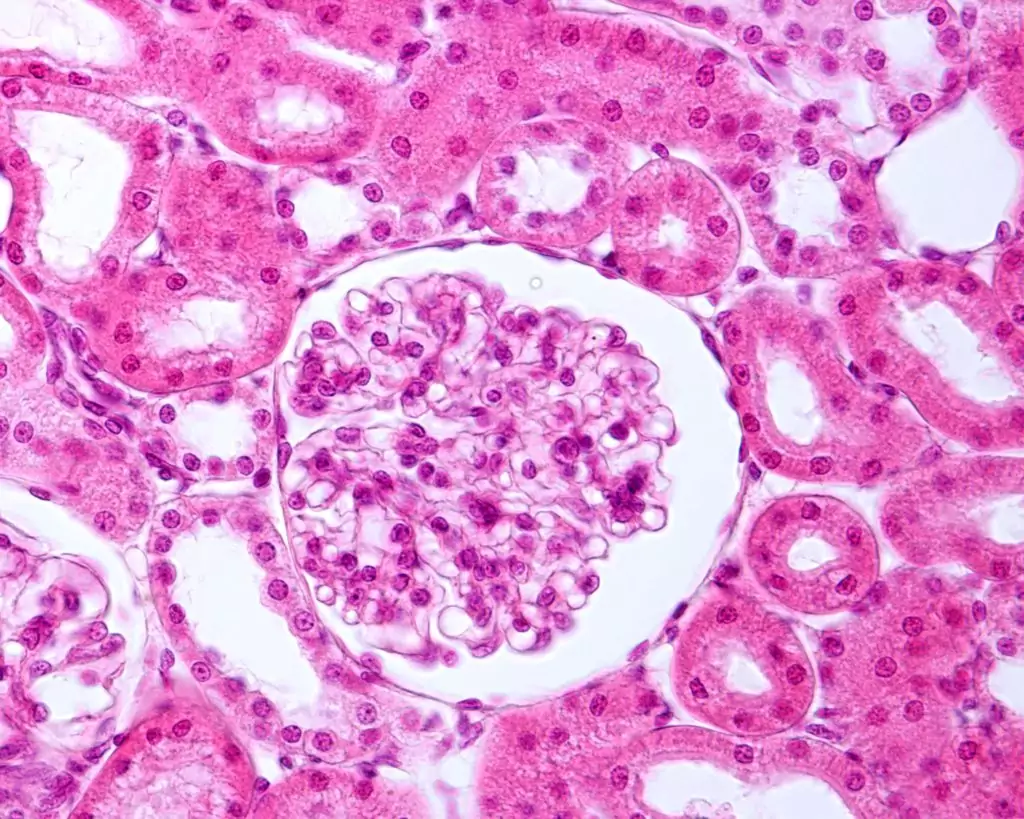
Shutterstock.com
Quiz Summary
0 of 15 Questions completed
Questions:
Information
You have already completed the quiz before. Hence you can not start it again.
Quiz is loading...
You must sign in or sign up to start the quiz.
You must first complete the following:
Results
Results
0 of 15 Questions answered correctly
Your time:
Time has elapsed
You have reached 0 of 0 point(s), (0)
Earned Point(s): 0 of 0, (0)
0 Essay(s) Pending (Possible Point(s): 0)
Categories
- Not categorized 0%
- Review
- Answered
- Correct
- Incorrect
- Question 1 of 15
1. Question
What analgesic is recommended first-line for pain relief in a patient with a kidney stone?
CorrectIncorrect - Question 2 of 15
2. Question
Previously, SGLT2 inhibitors were suspended for all inpatients, regardless of the presenting complaint, owing to safety concerns raised by the Medicines and Healthcare products Regulatory Agency regarding the risk of which condition?
CorrectIncorrect - Question 3 of 15
3. Question
Which of the following SGLT2 inhibitors are licensed for patients with chronic kidney disease? More than one answer may be correct.
CorrectIncorrect - Question 4 of 15
4. Question
Which calculation would be most suitable for estimating renal function in individuals who are at extremes of body weight?
CorrectIncorrect - Question 5 of 15
5. Question
Which of the following antimicrobials should be used with caution in patients with renal impairment?
CorrectIncorrect - Question 6 of 15
6. Question
When would IV iron be indicated in patients with chronic kidney disease? More than one answer may be correct.
CorrectIncorrect - Question 7 of 15
7. Question
Fill in the blanks using two of the following words:
Hypertension, hyperthyroidism, albuminuria, bilirubinuria
Chronic kidney disease is the progressive decline in renal function over time, particularly associated with ageing, , type 1 and type 2 diabetes mellitus. It is classified by cause, impairment of estimated glomerular filtration rate (eGFR), and degree of .
CorrectIncorrect - Question 8 of 15
8. Question
Vascular endothelial growth factor tyrosine kinase inhibitors (VEGF TKIs) can cause significant and potentially serious adverse events. Which of the following are common/clinically significant side effects of VEGF TKIs?
More than one answer may be correct.
CorrectIncorrect - Question 9 of 15
9. Question
True or false — a history of kidney stones can increase the risk of renal cancer.
CorrectIncorrect - Question 10 of 15
10. Question
Ideal body weight is typically used to calculate an estimate for creatine clearance using the Cockcroft and Gault formula.
Work out the ideal bodyweight for a 46-year-old woman who weighs 72kg and is 1.69 metres tall.
CorrectIncorrect - Question 11 of 15
11. Question
When using the Cockcroft and Gault formula to calculate estimated creatine clearance, what is the constant for women?
CorrectIncorrect - Question 12 of 15
12. Question
According to a report from the UK Kidney Association which form of vascular access is preferred for patients requiring haemodialysis?
CorrectIncorrect - Question 13 of 15
13. Question
Which component of peritoneal dialysis fluid is responsible for creating the osmotic gradient required to remove excess fluid from the blood?
CorrectIncorrect - Question 14 of 15
14. Question
Which of the following are pharmacokinetic changes that occur in end-stage renal disease?
More than one answer may be correct.
CorrectIncorrect - Question 15 of 15
15. Question
Which of the following are clinical features that define nephrotic syndrome? More than one answer may be correct.
CorrectIncorrect
This question is from ‘Nephrotic syndrome in adults: symptoms and management’. Please refer to the original article if you would like to learn more.
Quiz Summary
0 of 15 Questions completed
Questions:
Information
You have already completed the quiz before. Hence you can not start it again.
Quiz is loading...
You must sign in or sign up to start the quiz.
You must first complete the following:
Results
Results
0 of 15 Questions answered correctly
Your time:
Time has elapsed
You have reached 0 of 0 point(s), (0)
Earned Point(s): 0 of 0, (0)
0 Essay(s) Pending (Possible Point(s): 0)
Categories
- Not categorized 0%
- Review
- Answered
- Correct
- Incorrect
- Question 1 of 15
1. Question
What analgesic is recommended first-line for pain relief in a patient with a kidney stone?
CorrectIncorrect - Question 2 of 15
2. Question
Previously, SGLT2 inhibitors were suspended for all inpatients, regardless of the presenting complaint, owing to safety concerns raised by the Medicines and Healthcare products Regulatory Agency regarding the risk of which condition?
CorrectIncorrect - Question 3 of 15
3. Question
Which of the following SGLT2 inhibitors are licensed for patients with chronic kidney disease? More than one answer may be correct.
CorrectIncorrect - Question 4 of 15
4. Question
Which calculation would be most suitable for estimating renal function in individuals who are at extremes of body weight?
CorrectIncorrect - Question 5 of 15
5. Question
Which of the following antimicrobials should be used with caution in patients with renal impairment?
CorrectIncorrect - Question 6 of 15
6. Question
When would IV iron be indicated in patients with chronic kidney disease? More than one answer may be correct.
CorrectIncorrect - Question 7 of 15
7. Question
Fill in the blanks using two of the following words:
Hypertension, hyperthyroidism, albuminuria, bilirubinuria
Chronic kidney disease is the progressive decline in renal function over time, particularly associated with ageing, , type 1 and type 2 diabetes mellitus. It is classified by cause, impairment of estimated glomerular filtration rate (eGFR), and degree of .
CorrectIncorrect - Question 8 of 15
8. Question
Vascular endothelial growth factor tyrosine kinase inhibitors (VEGF TKIs) can cause significant and potentially serious adverse events. Which of the following are common/clinically significant side effects of VEGF TKIs?
More than one answer may be correct.
CorrectIncorrect - Question 9 of 15
9. Question
True or false — a history of kidney stones can increase the risk of renal cancer.
CorrectIncorrect - Question 10 of 15
10. Question
Ideal body weight is typically used to calculate an estimate for creatine clearance using the Cockcroft and Gault formula.
Work out the ideal bodyweight for a 46-year-old woman who weighs 72kg and is 1.69 metres tall.
CorrectIncorrect - Question 11 of 15
11. Question
When using the Cockcroft and Gault formula to calculate estimated creatine clearance, what is the constant for women?
CorrectIncorrect - Question 12 of 15
12. Question
According to a report from the UK Kidney Association which form of vascular access is preferred for patients requiring haemodialysis?
CorrectIncorrect - Question 13 of 15
13. Question
Which component of peritoneal dialysis fluid is responsible for creating the osmotic gradient required to remove excess fluid from the blood?
CorrectIncorrect - Question 14 of 15
14. Question
Which of the following are pharmacokinetic changes that occur in end-stage renal disease?
More than one answer may be correct.
CorrectIncorrect - Question 15 of 15
15. Question
Which of the following are clinical features that define nephrotic syndrome? More than one answer may be correct.
CorrectIncorrect
- Citation
- The Pharmaceutical Journal, PJ October 2025, Vol 315, No 8002;315(8002)::DOI:10.1211/PJ.2025.1.378569