Shutterstock.com
Flu cases are rising, community pharmacy is under pressure, aseptic facilities face a “significant” capacity issue and integrated care board cuts could put medicines strategy at risk, The Pharmaceutical Journal has reported this week.
In this context, the Royal Pharmaceutical Society (RPS) has told the government that unlocking pharmacists’ potential needs investment. In the past week, the RPS has also appointed a director of education, hosted its annual conference with a message from pharmacy minister Stephen Kinnock and invited feedback on its royal college strategy.
Read on for our quick round-up of clinical news you might have missed this week.
Flu vaccination encouraged despite drifted strain circulating
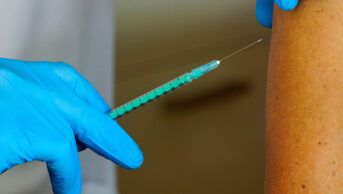
Three in five (59.4%) of all care home residents have now been protected against flu, while one-third (33.4%) of all eligible toddlers have been given the vaccine. Following the “biggest flu season in Australia’s history”, the NHS is encouraging patients in England to get vaccinated.
Clinicians have been warned that many of the current circulating viruses have drifted from the strain used in the 2025/2026 vaccines, and “the impact on vaccine effectiveness is unclear”. However, in a briefing note, the UK Health Security Agency (UKHSA) still encouraged vaccination: “Vaccines typically provide protection against severe clinical disease even when drifted strains are seen. The UK programme uses technologically advanced vaccine types optimised for each patient group. Influenza vaccination remains the best protection against influenza and is expected to continue to offer protection, including against the two other influenza types/subtypes that are likely to circulate this season.”
Research published in the Journal of Immunology has suggested how flu vaccine type can be tailored for each age group. In addition, an article in the British Journal of General Practice surveys how deprivation, being born outside the UK and non-white British ethnicity influences take-up of childhood vaccines. Summary of product characteristics (SPCs) have been updated for measles, mumps, rubella and varicella vaccines to include encephalitis as a rare adverse drug reaction, urging prompt medical attention if reduced consciousness, convulsions or ataxia with fever and headache occur. And a study published in The Lancet suggests booster doses of mpox vaccination MVA-BN may be required.
Further reading
Autism, ADHD and medicines during pregnancy
NHS England has published the second part of its ADHD Taskforce report this week, recommending that prescribing pharmacists could provide specialist ADHD services that would cut NHS waiting times.
Pharmacists working in ADHD services should note a Norwegian case-control study published in the British Journal of Psychiatry, suggesting ADHD medication use during pregnancy is associated with increased miscarriage risk.
A rapid review published in the BMJ found no clear link between autism and paracetamol in pregnancy.
Further reading
Cardiovascular research from the American Heart Association
Any form of hypertension during pregnancy significantly increases postpartum cardiovascular risk, including death, a study presented at the American Heart Association Scientific Sessions 2025 in New Orleans, Louisiana, on 9 November 2025 has revealed.
Beta-blockers are no longer needed in post-infarction patients with normal heart function, according to results from a meta-analysis also presented at the event and published in The New England Journal of Medicine.
Weight-loss drugs do not increase the risk of pancreatitis or adverse cardiac events in patients with high triglycerides, suggest results from an observational study presented at the session.
Screening children for familial hypercholesterolemia may be cost-effective if it is bundled with newborn screening, results from a US modelling study suggest, highlighting that this could prevent “a substantial number of premature heart attacks and strokes”.
Targeted vitamin D3 supplementation cuts risk of heart attack patients having a second heart attack in half, according to another study presented at the event.
Further reading
Time for a coffee? New study surprises researchers
Drinking coffee can protect against atrial fibrillation, the results of a randomised clinical trial published in JAMA suggest, contrasting with previous concerns that caffeine will trigger symptoms.
A separate commentary published this week in Brain Medicine explores “a major treatment interference that nobody has been systematically tracking”: whether caffeine intake can “sabotage” adenosine-activating antidepressant treatments like ketamine infusions and electroconvulsive therapy.